
SocialFi's Structural Collapse and the Illusion of Creator Coins: A High-Risk Investment Trap
The rise of SocialFi-social finance-was once heralded as a revolutionary fusion of blockchain technology and social media, promising to democratize content creation and monetization. Platforms like Friend.tech, BitClout, and Farcaster captured headlines by enabling users to tokenize their influence, creating so-called "creator coins." However, a closer examination of these platforms reveals a stark reality: SocialFi is not a sustainable innovation but a speculative overreach built on fragile foundations. From plummeting user retention to regulatory scrutiny and a lack of genuine utility, creator coins have proven to be high-risk, low-sustainability investments.
The Illusion of User Retention
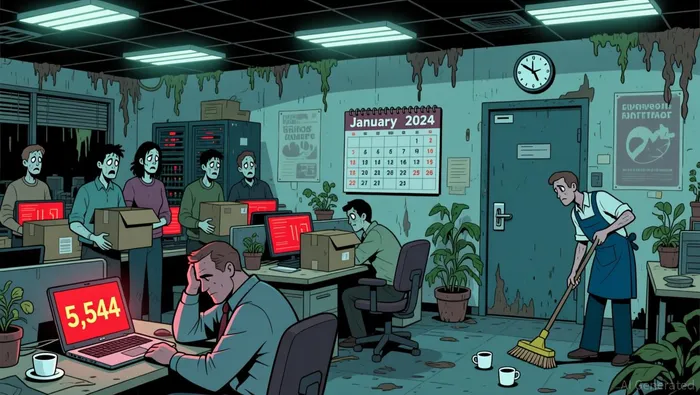
SocialFi's collapse is epitomized by Friend.tech, a platform that allowed users to invest in influencers via "keys." In 2023, Friend.tech's daily transactions peaked at 540,000, but by January 2024, this figure had nosedived to 5,544-a 99% decline. By September 2024, daily new users had fallen to single digits, and generated fees dropped below $100. The project's creators, having secured $44 million in revenue, abandoned the protocol by transferring control to a null address, effectively ending its development.
Farcaster, another decentralized social protocol, fared no better. Despite technical advancements like the Snapchain infrastructure (launched in April 2025), which enabled 10,000+ transactions per second, user activity has steadily declined. Daily active users fell from 73,700–100,000 in July 2024 to 40,000–60,000 by October 2025. Moreover, only 4,360 Power Badge holders were deemed "truly active," suggesting rampant bot activity and dormant accounts. These trends underscore a critical flaw: SocialFi platforms struggle to maintain engagement beyond the initial hype cycle.
Regulatory Scrutiny and the Death of Speculation
The speculative nature of creator coins has drawn regulatory ire. The U.S. Securities and Exchange Commission (SEC) has increasingly classified these tokens as securities under the Howey Test, triggering legal risks for platforms and investors alike. For instance, the SEC's enforcement actions against major crypto platforms in 2023–2025-such as CoinbaseCOIN-- and Binance-created market volatility, with crypto assets dropping 12% within a week of regulatory announcements. While the SEC shifted toward a more collaborative approach in 2025, including the formation of a crypto task force, the damage to investor confidence was already done.
BitClout, one of the earliest SocialFi experiments, exemplifies the regulatory and market risks. Though specific data on its token crashes is sparse, the broader crypto market's volatility-such as the October 2025 "black swan" crash, which wiped $19 billion in liquidations-highlights the fragility of speculative assets. Creator coins, which derive value from fleeting user interest rather than intrinsic utility, are particularly vulnerable to such shocks.
The Absence of Genuine Utility
SocialFi's collapse is not merely a function of poor user retention or regulatory pressure but a fundamental lack of utility. Platforms like Friend.tech and Farcaster rely on token speculation rather than meaningful community engagement. Friend.tech's 10% fee on key transactions, for example, contrasts with Farcaster's community-driven incentives, yet neither model has sustained user interest. Technical complexity further alienates mainstream users, who must navigate wallet creation, transaction fees, and opaque governance mechanisms-barriers that Web2 platforms like Instagram or TikTok effortlessly overcome.
Moreover, the business models of these platforms are inherently unsustainable. As one analysis notes, "When the speculative aspect fades, platforms often struggle to retain users or deliver meaningful value" according to the analysis. This is evident in the decline of Lens Protocol, where profile values plummeted from over $200 to less than a dollar, and new user signups dwindled to 142 per month.
Conclusion: A Cautionary Tale for Investors
SocialFi's structural collapse serves as a cautionary tale for investors. Creator coins, built on speculative hype and fragile user engagement, represent a high-risk, low-sustainability investment trap. The data is unequivocal: platforms like Friend.tech and Farcaster have failed to deliver on their promises, while regulatory uncertainty and technical barriers further erode their viability. For investors, the lesson is clear-prioritize projects with genuine utility, robust user engagement, and regulatory clarity. In the absence of these, creator coins remain a speculative gamble destined to repeat the same fatal trajectory.







Comentarios
Aún no hay comentarios