
"Social Security Payments: What Happens During a Government Shutdown?"
Generado por agente de IAWesley Park
lunes, 10 de marzo de 2025, 2:58 pm ET2 min de lectura
Ladies and Gentlemen, let me tell you something: Social Security payments are the lifeblood of millions of Americans. But what happens when the government shuts down? Do you still get your checks? Let's dive in and find out!
First things first, Social Security benefits are considered "mandatory spending." This means they have a dedicated, permanent funding source—primarily the payroll taxes we all pay. So, even if Congress can't agree on a budget, your Social Security checks will keep coming. *BOOM!* That's a relief, right?
But here's the kicker: the Social Security Administration (SSA) itself is not immune to the shutdown threat. Its administrative budget is discretionary, meaning it's subject to annual congressional approval. This includes everything from processing benefit applications to paying employees' salaries. So, while your benefits are safe, the SSA's operations might not be.
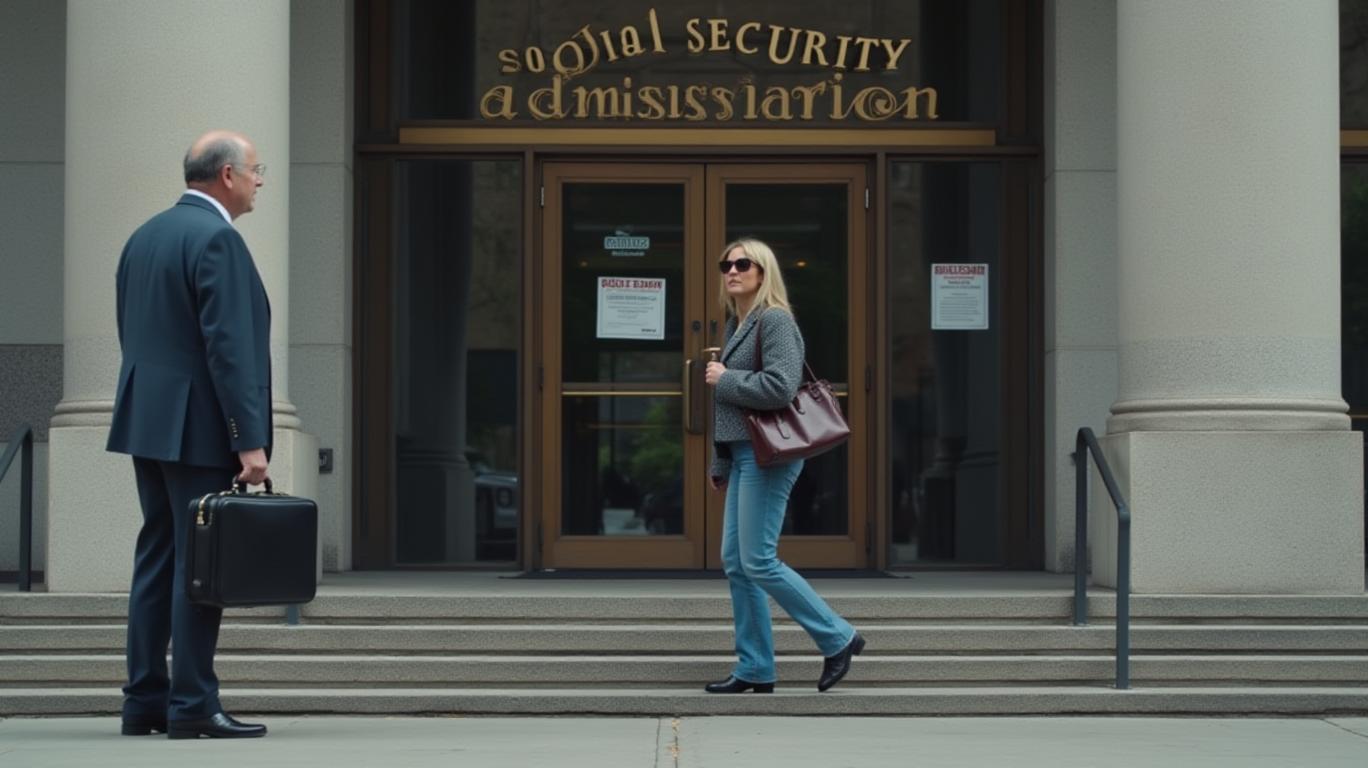
Now, let's talk about the SSA's contingency plan. They've got a detailed blueprint for how they'll operate during a shutdown. The plan, updated in September 2024, says they'll continue activities critical to their direct-service operations and those needed to ensure accurate and timely payment of benefits. Payroll tax revenue will keep flowing into the trust funds, and the SSA has legal authority to process payments even if congressional appropriations lapse. *Whew!* That's a big win for Social Security recipients.
But here's where it gets tricky: the SSA is currently operating under a continuing resolution that maintains fiscal 2024 funding levels. They're under a hiring freeze and have announced plans to pare their workforce from about 57,000 employees to 50,000. That's a 12.3 percent cut! So, even if they can keep about 86 percent of their staff on board during a shutdown, the reduced workforce could lead to increased wait times for processing benefit applications and appeals.
And what about Supplemental Security Income (SSI)? The SSA administers this safety-net benefit for people with very low incomes who are visually impaired, have a disability, or are age 65 and older. While SSI is paid out of general government revenues, the SSA says it has enough previously appropriated money to continue making SSI payments for the next three months. That's longer than any past shutdown, but what if the shutdown extends beyond that period? *GASP!* That's a scary thought.
So, what's the bottom line? Social Security payments are safe during a government shutdown, but the SSA's operations might be disrupted. If you're a Social Security recipient, stay informed and be prepared for potential delays in administrative tasks. And if you're not already, consider diversifying your retirement income with annuities or other investments. *DO IT NOW!* Because, as we all know, the market hates uncertainty, and you don't want to be caught off guard.
Remember, folks, Social Security is a critical part of your retirement plan, but it's not the only part. So, stay vigilant, stay informed, and stay ahead of the game. Because in the world of investing, knowledge is power, and power is money. *BOO-YAH!*



Divulgación editorial y transparencia de la IA: Ainvest News utiliza tecnología avanzada de Modelos de Lenguaje Largo (LLM) para sintetizar y analizar datos de mercado en tiempo real. Para garantizar los más altos estándares de integridad, cada artículo se somete a un riguroso proceso de verificación con participación humana.
Mientras la IA asiste en el procesamiento de datos y la redacción inicial, un miembro editorial profesional de Ainvest revisa, verifica y aprueba de forma independiente todo el contenido para garantizar su precisión y cumplimiento con los estándares editoriales de Ainvest Fintech Inc. Esta supervisión humana está diseñada para mitigar las alucinaciones de la IA y garantizar el contexto financiero.
Advertencia sobre inversiones: Este contenido se proporciona únicamente con fines informativos y no constituye asesoramiento profesional de inversión, legal o financiero. Los mercados conllevan riesgos inherentes. Se recomienda a los usuarios que realicen una investigación independiente o consulten a un asesor financiero certificado antes de tomar cualquier decisión. Ainvest Fintech Inc. se exime de toda responsabilidad por las acciones tomadas con base en esta información. ¿Encontró un error? Reportar un problema




Comentarios
Aún no hay comentarios