
Social Security's Identity Crisis: How New Rules Threaten Millions
The Social Security Administration’s (SSA) recent policy overhauls—designed to combat fraud and modernize service delivery—have instead sparked a quiet crisis for millions of beneficiaries. Stricter identity verification rules, coupled with rushed digital transitions, risk leaving seniors and disabled individuals without critical benefits. Meanwhile, political debates over cuts loom, even as inflation erodes the purchasing power of monthly payouts.
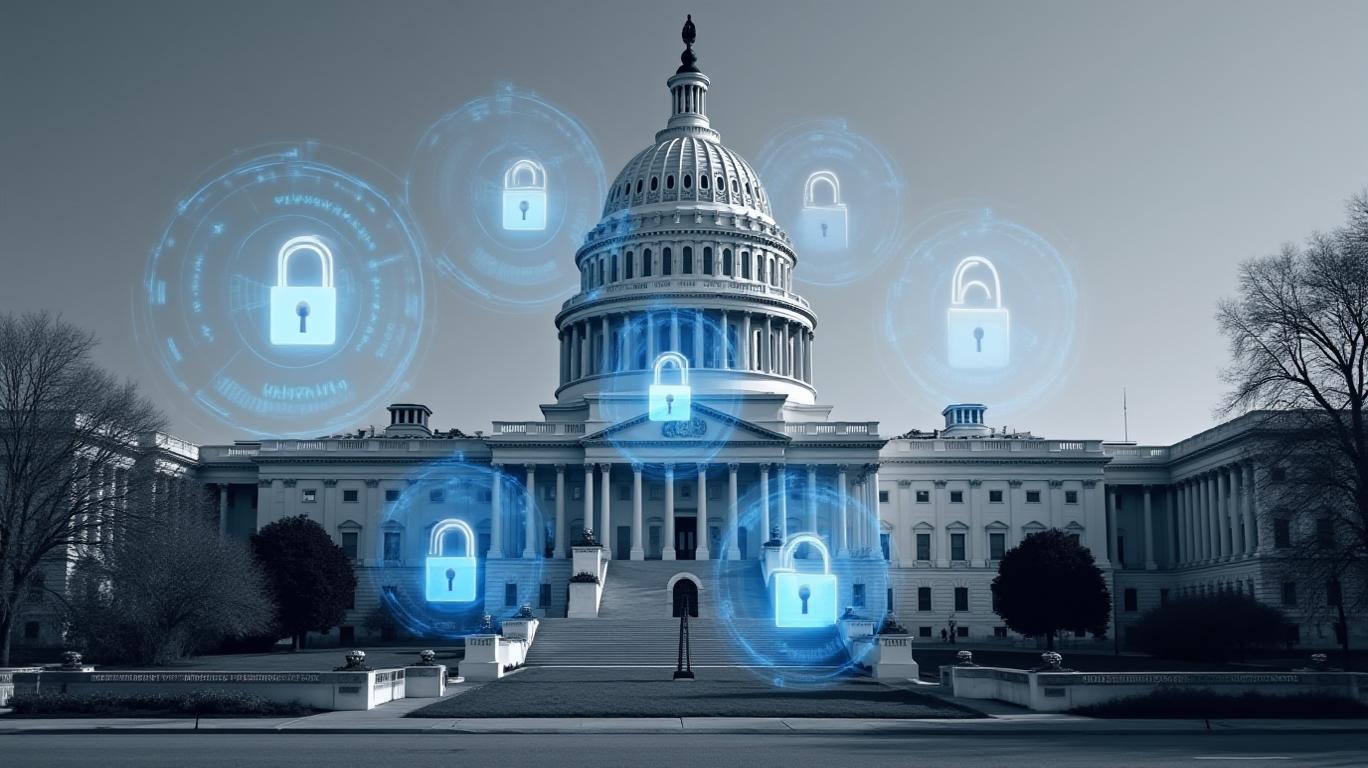
The Rules That Could Cut Off Benefits
Starting March 31, 2025, the SSA eliminated telephone access for updating personal information or applying for benefits, requiring all interactions to occur online or in person. This shift disproportionately affects the 7.4 million SSI recipients, many of whom lack internet access or face mobility challenges. Advocacy groups like Social Security Works warn that the policy could delay or deny benefits to 4.4 million recipients annually, as overcrowded offices and staff shortages exacerbate backlogs.
The agency’s mandatory transition to the Login.gov platform by year-end adds further risk. Beneficiaries must migrate their accounts by deadlines yet to be specified—or face suspended payments. “This is a recipe for disaster,” says Rep. John Larson (D-CT), who called the changes a “deliberate effort to collapse the system.”
The Political Tightrope
While the SSA moves to tighten eligibility, President Trump has staked his legacy on defending Social Security. In a January 2025 interview, he vowed to veto any legislation cutting benefits, calling such measures “unacceptable.” Yet his administration’s simultaneous push to block “illegal aliens” from receiving benefits—via stricter scrutiny of earnings reports and reinstating penalties for fraud—reveals a contradictory agenda.
The SSA’s April 16 endorsement of Trump’s anti-immigration memorandum highlights the tension. While targeting identity fraud among noncitizens, the policy’s focus on individuals over 100 years old—a group representing 0.002% of beneficiaries—has drawn criticism. “This is performative,” argues Judith Sheldon of the Center on Budget and Policy Priorities. “It distracts from the real crisis: seniors unable to navigate the new rules.”
The Cost of Survival
Even beneficiaries who navigate the new system face diminishing returns. The projected 2.3% COLA for 2026—set to raise the average retired-worker benefit to $2,024.28—fails to keep pace with rising costs. Shelter expenses, for instance, have surged 4.4% annually, while medical care costs climb 2.7%. The Senior Citizens League estimates retirees have lost 20% of their purchasing power since 2010, despite recent COLA increases.
Conclusion: A System in Peril
The SSA’s policies, driven by a mix of security concerns and political theater, risk doing more harm than good. With 4.4 million recipients at risk of delayed benefits and 7.4 million SSI recipients vulnerable to payment suspensions, the human toll could be vast. Investors in eldercare services or healthcare providers catering to seniors should monitor these changes closely—delays in benefit disbursements could strain household budgets, boosting demand for credit or community support.
The path forward demands a balance: modernizing systems without sacrificing accessibility. As Rep. Larson notes, “We can’t let good intentions drown out the voices of those who depend on these benefits.” Without urgent reforms, Social Security’s next chapter may be defined not by security, but by insecurity.
Word count: 698







Comentarios
Aún no hay comentarios