
Soaring Cocoa Prices: A Valentine's Day Dilemma
Generado por agente de IAHarrison Brooks
jueves, 13 de febrero de 2025, 3:08 pm ET2 min de lectura
JPEM--
As Valentine's Day approaches, chocolate lovers may find themselves in a bit of a dilemma this year. The price of cocoa, the key ingredient in chocolate, has been soaring, making those sweet treats more expensive than ever before. But why is this happening, and what does it mean for consumers and the chocolate industry?
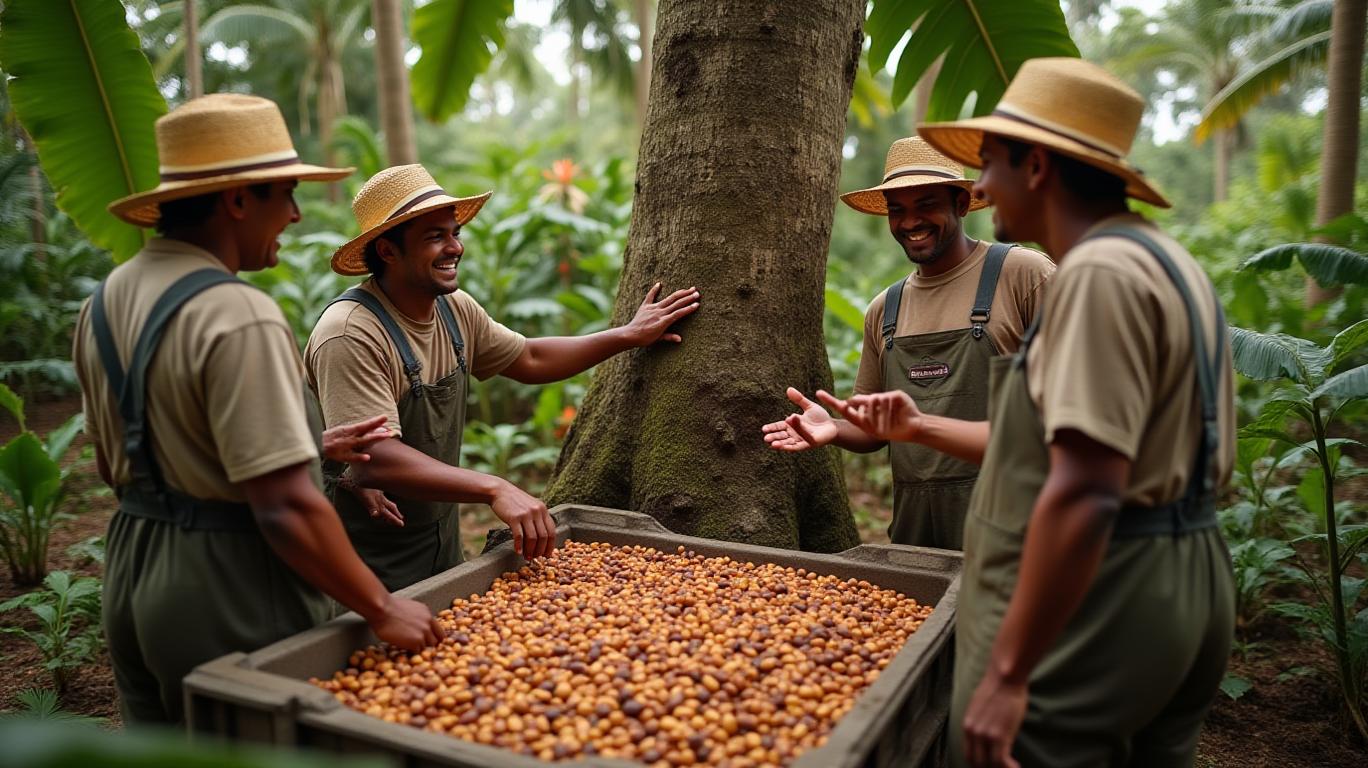
The surge in cocoa prices can be attributed to a combination of factors, including climate change, disease, commodity speculation, and social ascendency around the world. Climate change has led to changes in annual rain and drought patterns in western Africa, weakening sensitive cocoa trees in key production areas and leading to failed harvests. Additionally, increased temperature differences between night and day in the small strip of land around the equator where cocoa trees can thrive have further stressed the trees, contributing to the decline in production. Disease has also been a factor, compounded by climate change, making it difficult for farmers to maintain consistent harvests. Commodity speculation has drawn speculators looking to make a quick buck on big price jumps, exacerbating the financial rollercoaster experienced by the industry. Finally, social ascendency around the world has increased demand for chocolate, putting further pressure on cocoa supplies.
The volatility in cocoa prices has significantly impacted chocolate manufacturers' profit margins and pricing strategies. The soaring cocoa prices have eroded profit margins for chocolate manufacturers, who have had to absorb some of the increased costs. To offset the higher costs, chocolate manufacturers have been forced to raise their prices. Big chocolate brands such as Nestle, Hershey, and Mondelēz have all raised prices and warn of further increases over this year. Additionally, manufacturers are exploring alternative ingredients and flavors to mitigate the impact of cocoa price volatility. For example, KitKat has launched cinnamon-toast and Neapolitan flavors without chocolate dip.
The increased prices have led to a decrease in demand for chocolate, with JPMorgan predicting a drop of at least 1.8% in consumption in 2025. This reduced demand may help to alleviate some of the pressure on cocoa supplies and prices. However, the impact on consumers is clear: Valentine's Day chocolate purchases will be more expensive this year.

Cocoa farmers in West Africa, particularly in Ivory Coast and Ghana, benefit from higher cocoa prices as it allows them to make a better living and invest in sustainable practices. The price increase is a correction for the long-term underinvestment in the cocoa sector, which had been plagued by low prices for many years. With the current high prices, farmers have the opportunity to reinvest in their farms, plant new trees, and fortify older ones, making the cocoa bean supply more sustainable in the long run. However, there are challenges that cocoa farmers in West Africa face in investing in sustainable practices. One of the main challenges is that the high prices come at a time when many farmers are abandoning cocoa farming, as they have already left the land in search of better opportunities in the cities. This exodus of farmers makes it difficult to invest in sustainable practices, as there are fewer farmers left to benefit from the higher prices. Another challenge is the volatility of cocoa prices, which can make it difficult for farmers to plan and invest in sustainable practices.
In conclusion, the soaring cocoa prices are bad news for those Valentine's Day chocolate purchases, as consumers will have to pay more for their sweet treats. However, the higher prices offer an opportunity for cocoa farmers in West Africa to invest in sustainable practices and improve their livelihoods. With the right policies and support, these farmers can take advantage of the current high prices to make their farms more sustainable and resilient to climate change.
RAIN--
TOST--
As Valentine's Day approaches, chocolate lovers may find themselves in a bit of a dilemma this year. The price of cocoa, the key ingredient in chocolate, has been soaring, making those sweet treats more expensive than ever before. But why is this happening, and what does it mean for consumers and the chocolate industry?
The surge in cocoa prices can be attributed to a combination of factors, including climate change, disease, commodity speculation, and social ascendency around the world. Climate change has led to changes in annual rain and drought patterns in western Africa, weakening sensitive cocoa trees in key production areas and leading to failed harvests. Additionally, increased temperature differences between night and day in the small strip of land around the equator where cocoa trees can thrive have further stressed the trees, contributing to the decline in production. Disease has also been a factor, compounded by climate change, making it difficult for farmers to maintain consistent harvests. Commodity speculation has drawn speculators looking to make a quick buck on big price jumps, exacerbating the financial rollercoaster experienced by the industry. Finally, social ascendency around the world has increased demand for chocolate, putting further pressure on cocoa supplies.
The volatility in cocoa prices has significantly impacted chocolate manufacturers' profit margins and pricing strategies. The soaring cocoa prices have eroded profit margins for chocolate manufacturers, who have had to absorb some of the increased costs. To offset the higher costs, chocolate manufacturers have been forced to raise their prices. Big chocolate brands such as Nestle, Hershey, and Mondelēz have all raised prices and warn of further increases over this year. Additionally, manufacturers are exploring alternative ingredients and flavors to mitigate the impact of cocoa price volatility. For example, KitKat has launched cinnamon-toast and Neapolitan flavors without chocolate dip.
The increased prices have led to a decrease in demand for chocolate, with JPMorgan predicting a drop of at least 1.8% in consumption in 2025. This reduced demand may help to alleviate some of the pressure on cocoa supplies and prices. However, the impact on consumers is clear: Valentine's Day chocolate purchases will be more expensive this year.
Cocoa farmers in West Africa, particularly in Ivory Coast and Ghana, benefit from higher cocoa prices as it allows them to make a better living and invest in sustainable practices. The price increase is a correction for the long-term underinvestment in the cocoa sector, which had been plagued by low prices for many years. With the current high prices, farmers have the opportunity to reinvest in their farms, plant new trees, and fortify older ones, making the cocoa bean supply more sustainable in the long run. However, there are challenges that cocoa farmers in West Africa face in investing in sustainable practices. One of the main challenges is that the high prices come at a time when many farmers are abandoning cocoa farming, as they have already left the land in search of better opportunities in the cities. This exodus of farmers makes it difficult to invest in sustainable practices, as there are fewer farmers left to benefit from the higher prices. Another challenge is the volatility of cocoa prices, which can make it difficult for farmers to plan and invest in sustainable practices.
In conclusion, the soaring cocoa prices are bad news for those Valentine's Day chocolate purchases, as consumers will have to pay more for their sweet treats. However, the higher prices offer an opportunity for cocoa farmers in West Africa to invest in sustainable practices and improve their livelihoods. With the right policies and support, these farmers can take advantage of the current high prices to make their farms more sustainable and resilient to climate change.

Divulgación editorial y transparencia de la IA: Ainvest News utiliza tecnología avanzada de Modelos de Lenguaje Largo (LLM) para sintetizar y analizar datos de mercado en tiempo real. Para garantizar los más altos estándares de integridad, cada artículo se somete a un riguroso proceso de verificación con participación humana.
Mientras la IA asiste en el procesamiento de datos y la redacción inicial, un miembro editorial profesional de Ainvest revisa, verifica y aprueba de forma independiente todo el contenido para garantizar su precisión y cumplimiento con los estándares editoriales de Ainvest Fintech Inc. Esta supervisión humana está diseñada para mitigar las alucinaciones de la IA y garantizar el contexto financiero.
Advertencia sobre inversiones: Este contenido se proporciona únicamente con fines informativos y no constituye asesoramiento profesional de inversión, legal o financiero. Los mercados conllevan riesgos inherentes. Se recomienda a los usuarios que realicen una investigación independiente o consulten a un asesor financiero certificado antes de tomar cualquier decisión. Ainvest Fintech Inc. se exime de toda responsabilidad por las acciones tomadas con base en esta información. ¿Encontró un error? Reportar un problema




Comentarios
Aún no hay comentarios