
Sneaker Retailer Bankruptcy Risks Highlight E-Commerce Shift and Cost Pressures
- Sneaker retailers like Soleply are filing for due to rising operational costs, e-commerce dominance, and shifting consumer preferences.
- Retailers face additional financial pressure from energy regulations, import tariffs, and high-interest debt, which have contributed to declining profitability and liquidity challenges according to industry analysis.
- Chapter 11 filings are becoming more common in the footwear sector, with companies like Palm Beach Sandal Company and Soleply seeking reorganization under for smaller firms.
- Retail investors should monitor the broader trend of mall-based retailers struggling to adapt to digital transformation and changing consumer behaviors.
- The rise of online shopping has fundamentally altered the retail landscape, with digital platforms now accounting for a significant share of footwear sales, leaving traditional stores at a disadvantage.
Sneaker retailers are no longer immune to the shifting tides of consumer behavior and digital competition. Once thriving mall-based brands are now grappling with Chapter 11 filings, closing stores, and reevaluating their business models. Soleply's recent bankruptcy filing in March 2025 highlights the challenges faced by many in the sector. The company struggled with unsustainable debt and operational inefficiencies, closing four of its six stores.
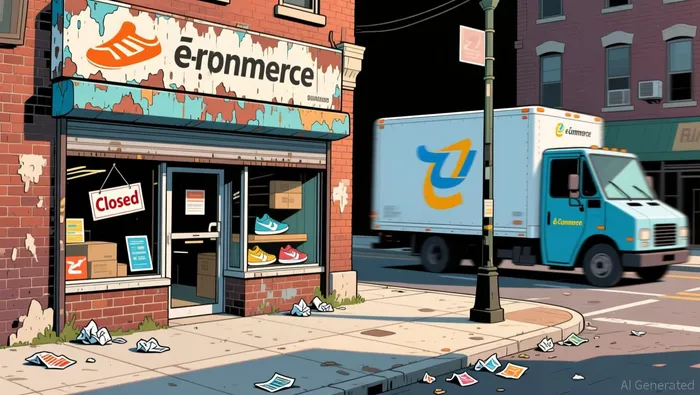
This trend is not unique to Soleply. Companies like the Palm Beach Sandal Company have also filed for Chapter 11 under Subchapter V, which is designed for smaller firms seeking reorganization. These cases are part of a larger pattern in the retail sector, where brands are increasingly forced to adapt to a digital-first marketplace. The rise of e-commerce has made it easier for consumers to shop from home, with fast delivery and often lower prices, making traditional retail models less appealing.
Why Is a Sneaker Retailer Filing for Chapter 11 Bankruptcy?
Sneaker retailers face a unique set of challenges that make them particularly vulnerable to financial distress. High import tariffs from key manufacturing hubs like China and Vietnam have significantly increased production costs. Additionally, rising energy costs and regulatory pressures, such as New York City's LL97 emissions regulations, have made it more expensive to operate physical stores.
Soleply's situation was exacerbated by its aggressive expansion strategy, which relied heavily on high-interest, short-term loans. This left the company with high debt burdens and limited flexibility to adapt to changing market conditions. As a result, it found itself unable to sustain inventory levels or maintain profitability at many of its locations.







Comentarios
Aún no hay comentarios