
Small Modular Reactors: A Game-Changer for Nuclear Energy
Generado por agente de IAEli Grant
martes, 19 de noviembre de 2024, 7:47 pm ET2 min de lectura
ADN--
WM--
The resurgence of nuclear energy, particularly with the advent of small modular reactors (SMRs), is poised to revolutionize the energy landscape. SMRs offer a unique blend of advantages, addressing scalability, cost, safety, and environmental concerns, making them an attractive option for investors seeking to capitalize on the clean energy transition.
Small Modular Reactors: A Scalable and Cost-Effective Solution
SMRs' smaller size and modular design address the scalability and cost challenges of traditional nuclear power plants. Rolls-Royce SMR, for instance, has a compact footprint, occupying approximately one tenth of the size of a conventional nuclear generation site, reducing local environmental impacts. The factory-built model is entirely scalable, with the potential to create 40,000 regional UK jobs by 2050 and generate £52bn in economic benefit.
Safety and Waste Management Considerations
Small Modular Reactors (SMRs) offer unique safety and waste management considerations compared to traditional nuclear power plants. One key advantage is their smaller size, which allows for easier containment and better control in case of an accident. Additionally, SMRs often rely more on passive systems and inherent safety characteristics, reducing the need for human intervention or external power. This can significantly lower the potential for unsafe releases of radioactivity to the environment and the public in case of an accident. Furthermore, SMRs have reduced fuel requirements, with some designs capable of operating for up to 30 years without refueling, minimizing waste management concerns.
Distributed Power Generation and Energy Security
SMRs offer a unique solution to the global energy mix, with their potential for distributed power generation and enhanced energy security. SMRs, with their smaller footprint and modular design, can be sited in locations not suitable for larger nuclear power plants, providing low-carbon power for remote communities and industrial applications. Their reduced fuel requirements and passive safety systems make them more resilient to natural disasters and terrorist attacks, contributing to energy security. SMRs can also serve as a backup power supply in emergency situations, replacing power generators often fueled by diesel in rural communities or remote businesses.
Technological, Regulatory, and Financial Barriers
Small Modular Reactors (SMRs) hold immense potential for clean, reliable, and flexible energy production. However, several technological, regulatory, and financial barriers hinder their widespread adoption. Key challenges include:
1. Technological:
- Maturity: SMRs are still in the development and demonstration phase, with only a few projects operational worldwide.
- Safety and waste management: SMRs must address concerns about safety, waste management, and decommissioning, which have hindered public acceptance of nuclear power.
- Standardization: The lack of standardized designs and components increases costs and delays deployment.
2. Regulatory:
- Licensing: Nuclear regulatory frameworks are complex and time-consuming, slowing SMR deployment.
- Grid integration: SMRs must navigate grid interconnection rules and regulations, which can be challenging for smaller, distributed power sources.
- Public acceptance: Regulatory bodies must address public concerns and ensure transparency in the licensing process.
3. Financial:
- High upfront costs: Despite their smaller size, SMRs still require significant capital investment, making them less attractive to investors.
- Financing and insurance: Securing financing and insurance for SMR projects can be difficult due to the perceived risks and uncertainties associated with nuclear power.
- Market competition: SMRs compete with established energy sources and other low-carbon technologies, making it challenging to secure market share.
To address these challenges, stakeholders should focus on the following strategies:
- Collaborative research and development: International cooperation can accelerate SMR technology advancements and reduce costs.
- Standardization and modularization: Developing standardized designs and components can streamline manufacturing, reduce costs, and speed up deployment.
- Regulatory simplification: Streamlining licensing processes and promoting clear, consistent regulations can facilitate SMR adoption.
- Public engagement and education: Enhancing public awareness and understanding of SMR benefits can improve acceptance and support for these projects.
- Innovative financing: Exploring new financing models, such as public-private partnerships and green bonds, can help overcome financial barriers.
- Market incentives: Policymakers can create favorable market conditions, such as carbon pricing or renewable energy targets, to encourage SMR adoption.
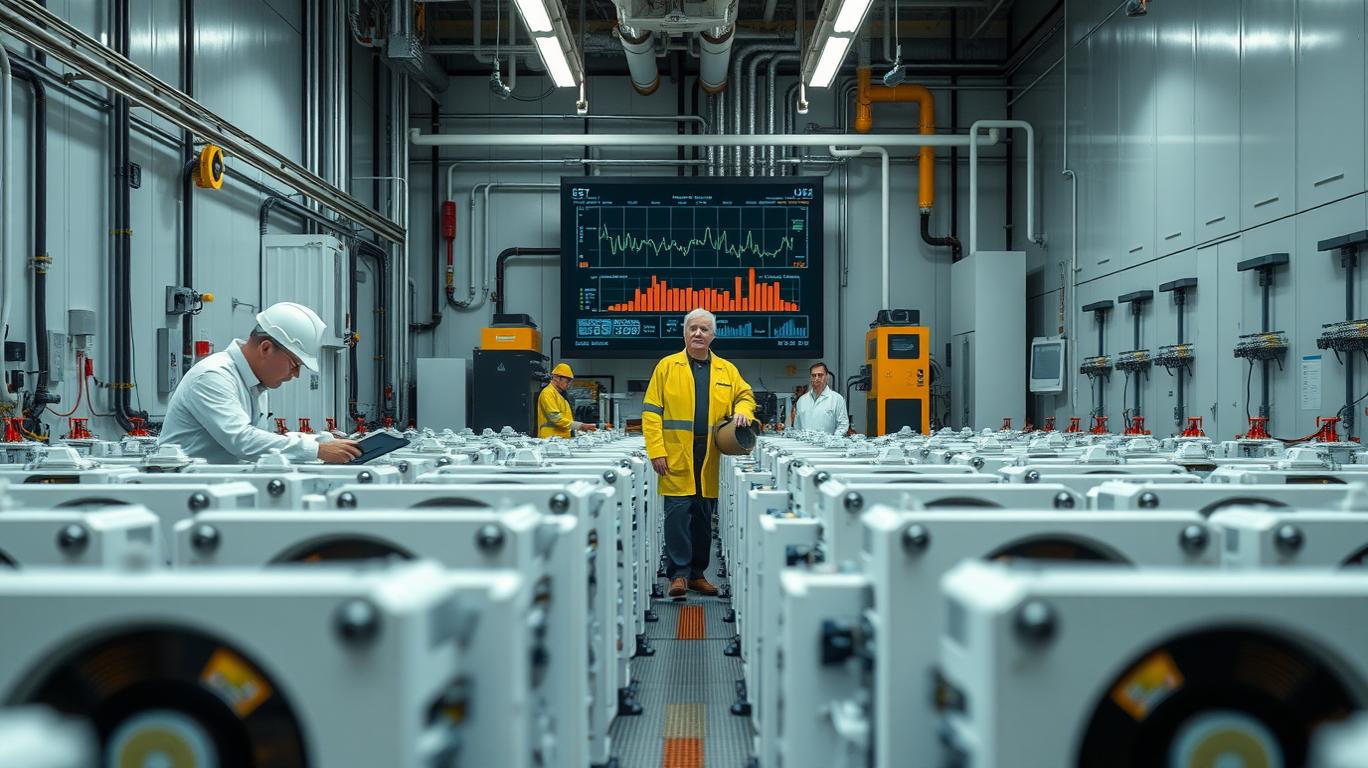
By addressing these technological, regulatory, and financial barriers, SMRs can play a crucial role in the global transition to clean, sustainable, and resilient energy systems. Investors seeking to capitalize on the clean energy transition should consider the potential of SMRs as a strategic move to address environmental challenges and capitalize on emerging opportunities.
Small Modular Reactors: A Scalable and Cost-Effective Solution
SMRs' smaller size and modular design address the scalability and cost challenges of traditional nuclear power plants. Rolls-Royce SMR, for instance, has a compact footprint, occupying approximately one tenth of the size of a conventional nuclear generation site, reducing local environmental impacts. The factory-built model is entirely scalable, with the potential to create 40,000 regional UK jobs by 2050 and generate £52bn in economic benefit.
Safety and Waste Management Considerations
Small Modular Reactors (SMRs) offer unique safety and waste management considerations compared to traditional nuclear power plants. One key advantage is their smaller size, which allows for easier containment and better control in case of an accident. Additionally, SMRs often rely more on passive systems and inherent safety characteristics, reducing the need for human intervention or external power. This can significantly lower the potential for unsafe releases of radioactivity to the environment and the public in case of an accident. Furthermore, SMRs have reduced fuel requirements, with some designs capable of operating for up to 30 years without refueling, minimizing waste management concerns.
Distributed Power Generation and Energy Security
SMRs offer a unique solution to the global energy mix, with their potential for distributed power generation and enhanced energy security. SMRs, with their smaller footprint and modular design, can be sited in locations not suitable for larger nuclear power plants, providing low-carbon power for remote communities and industrial applications. Their reduced fuel requirements and passive safety systems make them more resilient to natural disasters and terrorist attacks, contributing to energy security. SMRs can also serve as a backup power supply in emergency situations, replacing power generators often fueled by diesel in rural communities or remote businesses.
Technological, Regulatory, and Financial Barriers
Small Modular Reactors (SMRs) hold immense potential for clean, reliable, and flexible energy production. However, several technological, regulatory, and financial barriers hinder their widespread adoption. Key challenges include:
1. Technological:
- Maturity: SMRs are still in the development and demonstration phase, with only a few projects operational worldwide.
- Safety and waste management: SMRs must address concerns about safety, waste management, and decommissioning, which have hindered public acceptance of nuclear power.
- Standardization: The lack of standardized designs and components increases costs and delays deployment.
2. Regulatory:
- Licensing: Nuclear regulatory frameworks are complex and time-consuming, slowing SMR deployment.
- Grid integration: SMRs must navigate grid interconnection rules and regulations, which can be challenging for smaller, distributed power sources.
- Public acceptance: Regulatory bodies must address public concerns and ensure transparency in the licensing process.
3. Financial:
- High upfront costs: Despite their smaller size, SMRs still require significant capital investment, making them less attractive to investors.
- Financing and insurance: Securing financing and insurance for SMR projects can be difficult due to the perceived risks and uncertainties associated with nuclear power.
- Market competition: SMRs compete with established energy sources and other low-carbon technologies, making it challenging to secure market share.
To address these challenges, stakeholders should focus on the following strategies:
- Collaborative research and development: International cooperation can accelerate SMR technology advancements and reduce costs.
- Standardization and modularization: Developing standardized designs and components can streamline manufacturing, reduce costs, and speed up deployment.
- Regulatory simplification: Streamlining licensing processes and promoting clear, consistent regulations can facilitate SMR adoption.
- Public engagement and education: Enhancing public awareness and understanding of SMR benefits can improve acceptance and support for these projects.
- Innovative financing: Exploring new financing models, such as public-private partnerships and green bonds, can help overcome financial barriers.
- Market incentives: Policymakers can create favorable market conditions, such as carbon pricing or renewable energy targets, to encourage SMR adoption.
By addressing these technological, regulatory, and financial barriers, SMRs can play a crucial role in the global transition to clean, sustainable, and resilient energy systems. Investors seeking to capitalize on the clean energy transition should consider the potential of SMRs as a strategic move to address environmental challenges and capitalize on emerging opportunities.

Divulgación editorial y transparencia de la IA: Ainvest News utiliza tecnología avanzada de Modelos de Lenguaje Largo (LLM) para sintetizar y analizar datos de mercado en tiempo real. Para garantizar los más altos estándares de integridad, cada artículo se somete a un riguroso proceso de verificación con participación humana.
Mientras la IA asiste en el procesamiento de datos y la redacción inicial, un miembro editorial profesional de Ainvest revisa, verifica y aprueba de forma independiente todo el contenido para garantizar su precisión y cumplimiento con los estándares editoriales de Ainvest Fintech Inc. Esta supervisión humana está diseñada para mitigar las alucinaciones de la IA y garantizar el contexto financiero.
Advertencia sobre inversiones: Este contenido se proporciona únicamente con fines informativos y no constituye asesoramiento profesional de inversión, legal o financiero. Los mercados conllevan riesgos inherentes. Se recomienda a los usuarios que realicen una investigación independiente o consulten a un asesor financiero certificado antes de tomar cualquier decisión. Ainvest Fintech Inc. se exime de toda responsabilidad por las acciones tomadas con base en esta información. ¿Encontró un error? Reportar un problema




Comentarios
Aún no hay comentarios