
U.S. Slows Arms Flow to Ukraine: A Strategic Shift?
Generado por agente de IATheodore Quinn
lunes, 3 de marzo de 2025, 2:52 pm ET1 min de lectura
WEST--
The U.S. has recently hit the brakes on the flow of arms to Ukraine, a move that could have significant strategic implications for the ongoing conflict. The decision, which limits the use of certain weapons like ATACMS, has raised questions about the U.S.'s commitment to supporting Ukraine's defense and the potential impact on the war's dynamics.
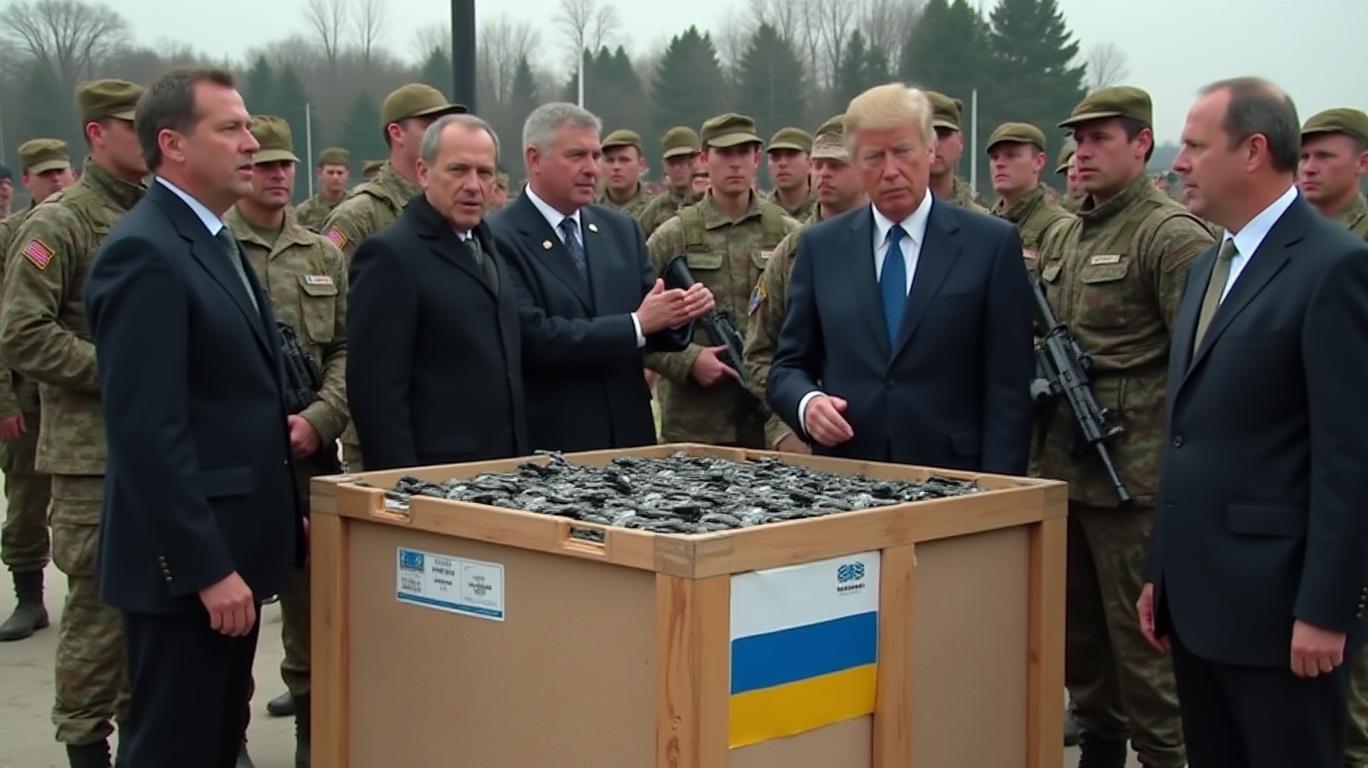
The U.S. policy of restricting the use of certain weapons has significantly impacted Ukraine's ability to defend itself against Russian attacks and influence the course of the war. By limiting Ukraine's strike capabilities and slowing its response to Russian attacks, the U.S. has increased the vulnerability of Ukrainian cities and infrastructure. This has led to widespread destruction and civilian casualties, as Russia continues to target Ukrainian territory with impunity.
The U.S. decision to limit the use of American-provided weapons by Ukraine for counterstrikes inside Russian territory has several strategic implications that could impact the war's dynamics. First, it has effectively limited Ukraine's ability to strike deep into Russian territory, which could hinder its offensive capabilities and slow down its progress in reclaiming occupied territories. Second, Russia might perceive the limited use of U.S.-supplied weapons as a sign of Western hesitation or weakness, potentially leading to further escalation or aggression. Third, the restriction on using U.S.-supplied weapons for counterstrikes inside Russia could dampen Ukrainian morale and resolve, as soldiers may feel that their allies are not fully supporting their efforts to defend their territory and people.
The U.S. decision could also impact U.S.-Russia relations, with Russia potentially viewing the move as a sign of U.S. willingness to engage in dialogue or de-escalation. However, it could also lead to further tensions if Russia perceives the U.S. as not doing enough to support Ukraine. Additionally, the limited use of U.S.-supplied weapons could influence peace negotiations, with Russia potentially using the restriction as leverage to pressure Ukraine or the WestWEST-- into accepting its terms. Conversely, Ukraine might feel more inclined to seek a diplomatic solution if it believes that its military options are constrained.
In conclusion, the U.S. decision to limit the use of American-provided weapons by Ukraine for counterstrikes inside Russian territory has strategic implications that could impact the war's dynamics, including limited Ukrainian offensive capabilities, potential Russian escalation, impact on Ukrainian morale, changes in U.S.-Russia relations, and potential influence on peace negotiations. As the conflict continues to evolve, the U.S. and its allies must carefully consider the strategic implications of their actions and work to support Ukraine's defense while minimizing the risk of further escalation.
The U.S. has recently hit the brakes on the flow of arms to Ukraine, a move that could have significant strategic implications for the ongoing conflict. The decision, which limits the use of certain weapons like ATACMS, has raised questions about the U.S.'s commitment to supporting Ukraine's defense and the potential impact on the war's dynamics.
The U.S. policy of restricting the use of certain weapons has significantly impacted Ukraine's ability to defend itself against Russian attacks and influence the course of the war. By limiting Ukraine's strike capabilities and slowing its response to Russian attacks, the U.S. has increased the vulnerability of Ukrainian cities and infrastructure. This has led to widespread destruction and civilian casualties, as Russia continues to target Ukrainian territory with impunity.
The U.S. decision to limit the use of American-provided weapons by Ukraine for counterstrikes inside Russian territory has several strategic implications that could impact the war's dynamics. First, it has effectively limited Ukraine's ability to strike deep into Russian territory, which could hinder its offensive capabilities and slow down its progress in reclaiming occupied territories. Second, Russia might perceive the limited use of U.S.-supplied weapons as a sign of Western hesitation or weakness, potentially leading to further escalation or aggression. Third, the restriction on using U.S.-supplied weapons for counterstrikes inside Russia could dampen Ukrainian morale and resolve, as soldiers may feel that their allies are not fully supporting their efforts to defend their territory and people.
The U.S. decision could also impact U.S.-Russia relations, with Russia potentially viewing the move as a sign of U.S. willingness to engage in dialogue or de-escalation. However, it could also lead to further tensions if Russia perceives the U.S. as not doing enough to support Ukraine. Additionally, the limited use of U.S.-supplied weapons could influence peace negotiations, with Russia potentially using the restriction as leverage to pressure Ukraine or the WestWEST-- into accepting its terms. Conversely, Ukraine might feel more inclined to seek a diplomatic solution if it believes that its military options are constrained.
In conclusion, the U.S. decision to limit the use of American-provided weapons by Ukraine for counterstrikes inside Russian territory has strategic implications that could impact the war's dynamics, including limited Ukrainian offensive capabilities, potential Russian escalation, impact on Ukrainian morale, changes in U.S.-Russia relations, and potential influence on peace negotiations. As the conflict continues to evolve, the U.S. and its allies must carefully consider the strategic implications of their actions and work to support Ukraine's defense while minimizing the risk of further escalation.

Divulgación editorial y transparencia de la IA: Ainvest News utiliza tecnología avanzada de Modelos de Lenguaje Largo (LLM) para sintetizar y analizar datos de mercado en tiempo real. Para garantizar los más altos estándares de integridad, cada artículo se somete a un riguroso proceso de verificación con participación humana.
Mientras la IA asiste en el procesamiento de datos y la redacción inicial, un miembro editorial profesional de Ainvest revisa, verifica y aprueba de forma independiente todo el contenido para garantizar su precisión y cumplimiento con los estándares editoriales de Ainvest Fintech Inc. Esta supervisión humana está diseñada para mitigar las alucinaciones de la IA y garantizar el contexto financiero.
Advertencia sobre inversiones: Este contenido se proporciona únicamente con fines informativos y no constituye asesoramiento profesional de inversión, legal o financiero. Los mercados conllevan riesgos inherentes. Se recomienda a los usuarios que realicen una investigación independiente o consulten a un asesor financiero certificado antes de tomar cualquier decisión. Ainvest Fintech Inc. se exime de toda responsabilidad por las acciones tomadas con base en esta información. ¿Encontró un error? Reportar un problema


SOBRE NOSOTROS
Nuestra historiaAutores de noticiasBase de conocimientosPolítica de privacidadTérmino de usoDescargo de responsabilidad de corretaje de tercerosTérminos de uso de AIMEDivulgaciones de riesgos de AInvest AICarrerasCONTÁCTENOS
Email: support@ainvest.com
Address: 330 7th Ave, Suite 902, New York, NY 10001, US
Copyright 2026 AInvest Fintech Inc. All rights reserved.


Comentarios
Aún no hay comentarios