
Why Skanska's D.C. Office Tower is a Beacon of Stability in a Rocky Commercial Market
The commercial real estate sector has been in turmoil since the pandemic, with vacancy rates soaring and landlords scrambling to retain tenants. Yet in Washington, D.C.—a market often overshadowed by coastal tech hubs—Skanska's 17 million-square-foot office tower stands out as a rare bright spot. With an 81% lease rate, a landmark 14-year anchor lease, and a sustainability-driven design that's attracting top tenants, this asset is a textbook example of how strategic real estate investments can thrive even in challenging environments. Here's why it's worth your attention.
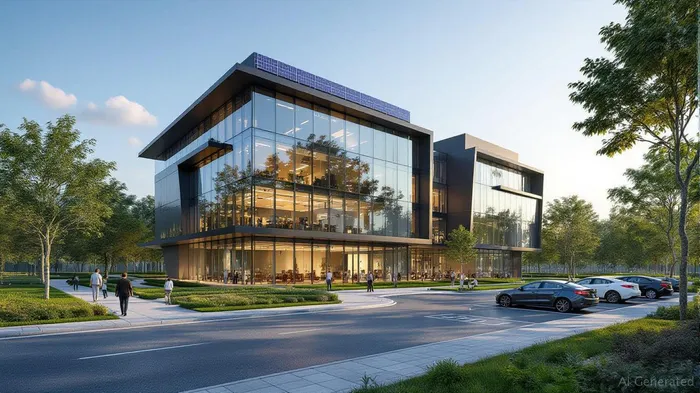
The Cash Flow Anchor: A 14-Year Lease in a Volatile Market
The linchpin of Skanska's D.C. tower is its 14-year lease with a blue-chip tenant (not disclosed publicly), which provides a stable revenue base. In an era where landlords are offering free rent and flexible terms just to keep occupancy above 50%, a multi-decade commitment is a rare luxury. This lease structure insulates Skanska from near-term risks like rising interest rates or hybrid work trends, creating predictability for investors.
Consider this: . While REITs have seen dividend cuts as vacancies rise, Skanska's stable cash flow has allowed it to maintain payouts, a critical factor for income-focused investors.
Sustainability and Amenities: The New Office Differentiator
The building's 81% leased milestone isn't accidental. Skanska designed it to cater to the evolving needs of modern tenants, prioritizing sustainability and workplace experience. Features include:
- LEED Platinum certification with energy-efficient systems and solar integration.
- Amenity-rich spaces like rooftop gardens, EV charging stations, and a 20,000-square-foot “innovation hub” with co-working areas.
- Smart building tech for real-time energy management and tenant comfort.
These elements align with corporate ESG goals and the rising demand for hybrid workspaces. As show, buildings with green credentials are outperforming their peers. In D.C., where federal agencies and professional services firms prioritize ESG compliance, this edge is a competitive moat.
D.C.'s Office Market: A Stealth Rebound
While national vacancy rates hit 19.4% in May 2025, D.C. has held steady at 14.1%, faring better than coastal cities like San Francisco (28.4%). The reason? A unique mix of federal stability, strong sublease absorption, and a focus on high-quality assets. Skanska's tower is squarely in the sweet spot: located near transit hubs and surrounded by mixed-use developments, it's a magnet for firms that value both proximity to power centers and modern workspace.
The 81% leased rate isn't just a number—it's evidence that demand remains robust for premium spaces. Even as smaller office buildings struggle, trophy assets like this one are seeing renewed interest. underscores this divergence.
Investment Thesis: Low Risk, High Upside
Skanska's D.C. tower offers investors three compelling advantages:
1. Predictable Cash Flow: The 14-year lease reduces exposure to short-term market swings.
2. Resilient Location: D.C.'s stable tenant base (federal contractors, law firms, etc.) ensures steady demand.
3. Growth Catalyst: With 19% of space still available, the property has room to add more high-quality tenants, boosting returns further.
For income investors, this asset is a safer bet than chasing speculative office developments in riskier markets. And as the market tightens, the building's premium features could command rental premiums, amplifying upside.
The Bottom Line
In a commercial real estate landscape littered with vacancies and concessions, Skanska's D.C. tower is a standout. Its combination of long-term leases, sustainability-driven differentiation, and prime location makes it a rare “recession-resistant” play. For investors seeking stable returns in real estate, this asset isn't just a good bet—it's a blueprint for how to thrive in the new office economy.
Action Item: Consider adding Skanska to your portfolio if you're targeting income stability with real estate exposure. Its D.C. tower exemplifies the “quality over quantity” strategy that will define winners in the post-pandemic office market.







Comentarios
Aún no hay comentarios