
SK Chemicals and Hyundai: A Sustainable Automotive Partnership
Generado por agente de IAWesley Park
martes, 10 de diciembre de 2024, 7:11 pm ET1 min de lectura
AENT--
In the ever-evolving automotive industry, sustainability has emerged as a critical factor driving innovation and investment. One notable collaboration in this realm is the partnership between SK Chemicals and Hyundai, which aims to revolutionize the automotive sector through sustainable materials and technologies. This article explores the potential and implications of this strategic alliance.
The collaboration between SK Chemicals and Hyundai is centered around the development and application of recycled and bio-based materials in automotive components. The project, known as the EV3 Study Car, showcases the potential of circular recycling and bio-based materials in reducing the environmental footprint of vehicles. By applying six components made from recycled PET and bio-based materials, the EV3 Study Car demonstrates a 30% reduction in CO2 emissions compared to conventional vehicles (Source: Hyundai).
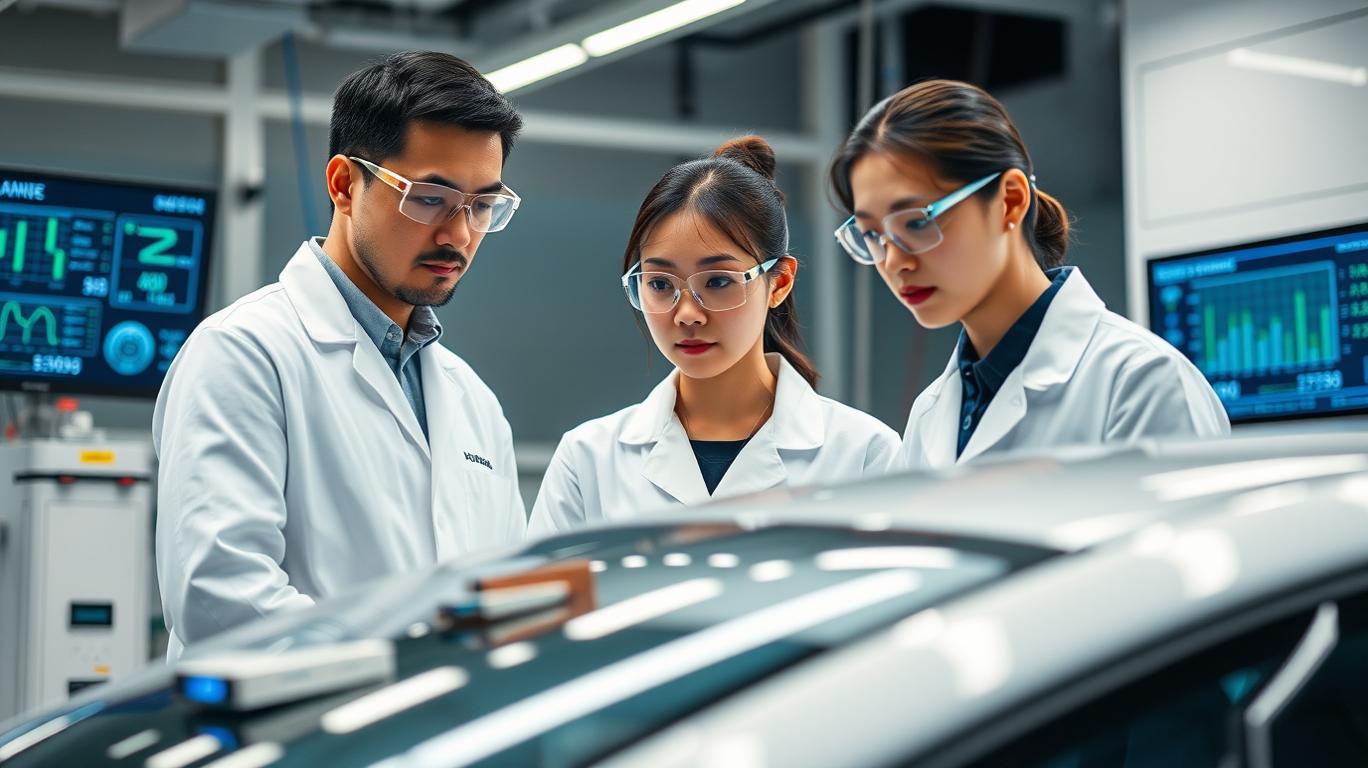
The use of recycled and bio-based materials not only contributes to environmental sustainability but also offers significant cost savings and increased efficiency. Circular recycling technology enables the production of high-quality materials from waste, reducing dependency on virgin materials and lowering production costs. Moreover, the use of recycled PET and bio-based materials like FLEXIA simplifies recycling processes, enhancing overall efficiency.
The partnership between SK Chemicals and Hyundai is a testament to the growing importance of sustainability in the automotive industry. As consumers and investors increasingly prioritize environmental responsibility, companies that embrace sustainable practices are likely to gain a competitive edge. This collaboration demonstrates the potential for a circular economy system in the automotive industry, making it an attractive investment opportunity for those seeking to support sustainable development.
In conclusion, the partnership between SK Chemicals and Hyundai on the EV3 Study Car project highlights the potential of recycled and bio-based materials in reducing the environmental footprint of vehicles. This collaboration not only contributes to sustainability but also offers cost savings and increased efficiency, making it a compelling investment opportunity in the automotive sector. As the industry continues to evolve, partnerships like this one will play a crucial role in shaping a more sustainable future for the automotive industry.
In the ever-evolving automotive industry, sustainability has emerged as a critical factor driving innovation and investment. One notable collaboration in this realm is the partnership between SK Chemicals and Hyundai, which aims to revolutionize the automotive sector through sustainable materials and technologies. This article explores the potential and implications of this strategic alliance.
The collaboration between SK Chemicals and Hyundai is centered around the development and application of recycled and bio-based materials in automotive components. The project, known as the EV3 Study Car, showcases the potential of circular recycling and bio-based materials in reducing the environmental footprint of vehicles. By applying six components made from recycled PET and bio-based materials, the EV3 Study Car demonstrates a 30% reduction in CO2 emissions compared to conventional vehicles (Source: Hyundai).
The use of recycled and bio-based materials not only contributes to environmental sustainability but also offers significant cost savings and increased efficiency. Circular recycling technology enables the production of high-quality materials from waste, reducing dependency on virgin materials and lowering production costs. Moreover, the use of recycled PET and bio-based materials like FLEXIA simplifies recycling processes, enhancing overall efficiency.
The partnership between SK Chemicals and Hyundai is a testament to the growing importance of sustainability in the automotive industry. As consumers and investors increasingly prioritize environmental responsibility, companies that embrace sustainable practices are likely to gain a competitive edge. This collaboration demonstrates the potential for a circular economy system in the automotive industry, making it an attractive investment opportunity for those seeking to support sustainable development.
In conclusion, the partnership between SK Chemicals and Hyundai on the EV3 Study Car project highlights the potential of recycled and bio-based materials in reducing the environmental footprint of vehicles. This collaboration not only contributes to sustainability but also offers cost savings and increased efficiency, making it a compelling investment opportunity in the automotive sector. As the industry continues to evolve, partnerships like this one will play a crucial role in shaping a more sustainable future for the automotive industry.

Divulgación editorial y transparencia de la IA: Ainvest News utiliza tecnología avanzada de Modelos de Lenguaje Largo (LLM) para sintetizar y analizar datos de mercado en tiempo real. Para garantizar los más altos estándares de integridad, cada artículo se somete a un riguroso proceso de verificación con participación humana.
Mientras la IA asiste en el procesamiento de datos y la redacción inicial, un miembro editorial profesional de Ainvest revisa, verifica y aprueba de forma independiente todo el contenido para garantizar su precisión y cumplimiento con los estándares editoriales de Ainvest Fintech Inc. Esta supervisión humana está diseñada para mitigar las alucinaciones de la IA y garantizar el contexto financiero.
Advertencia sobre inversiones: Este contenido se proporciona únicamente con fines informativos y no constituye asesoramiento profesional de inversión, legal o financiero. Los mercados conllevan riesgos inherentes. Se recomienda a los usuarios que realicen una investigación independiente o consulten a un asesor financiero certificado antes de tomar cualquier decisión. Ainvest Fintech Inc. se exime de toda responsabilidad por las acciones tomadas con base en esta información. ¿Encontró un error? Reportar un problema


SOBRE NOSOTROS
Nuestra historiaAutores de noticiasBase de conocimientosPolítica de privacidadTérmino de usoDescargo de responsabilidad de corretaje de tercerosTérminos de uso de AIMEDivulgaciones de riesgos de AInvest AICarrerasCONTÁCTENOS
Email: support@ainvest.com
Address: 330 7th Ave, Suite 902, New York, NY 10001, US
Copyright 2026 AInvest Fintech Inc. All rights reserved.


Comentarios
Aún no hay comentarios