
Why Singapore's Light Distillates Crash Signals a Shift in Asia's Energy Landscape
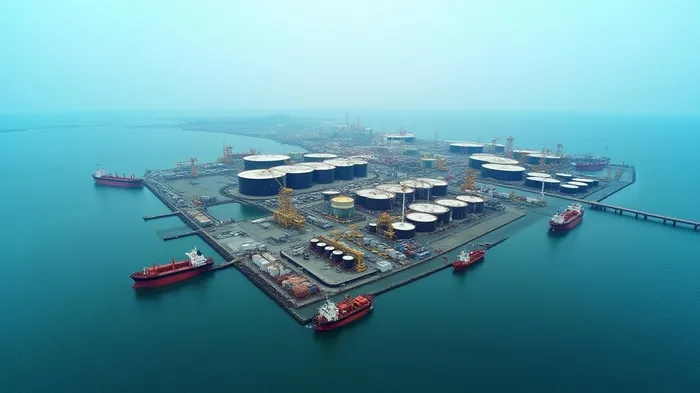
The port of Singapore, often dubbed the “energy crossroads of Asia,” has sent a stark signal to global markets: light distillate inventories have plummeted to a six-month low. As of April 2025, stocks of gasoline, naphtha, and other light fuels fell to 14,492 thousand barrels, marking a 19-week low and a 1,478-thousand-barrel drop from the prior week. This decline contrasts sharply with the six-month peak of 16,048 thousand barrels recorded in January 2025, signaling a seismic shift in regional energy dynamics.
What’s Driving the Decline in Light Distillates?
The drop is not an isolated event but part of a broader reconfiguration of Asia’s energy landscape, driven by demand shifts, supply surges, and strategic storage decisions.
1. Demand Dynamics: Light Fuels Fade, Middle/Residual Fuels Surge
While light distillates languish, middle distillates (e.g., diesel) and residual fuels (e.g., bunker fuel) are thriving. By April, middle distillates rose to 9,714 thousand barrels (+364 thousand barrels week-on-week), and residual fuels climbed to 22,887 thousand barrels (+866 thousand barrels). This divergence reflects:
- Industrial recovery: Stronger manufacturing activity in China and India is boosting diesel demand.
- Shipping rebound: Bunker fuel stocks surged as global maritime traffic recovers, with Singapore’s port—the world’s busiest—handling record tonnage.
2. Global Supply Shifts: OPEC+, Iran, and Kazakhstan Flood Markets
- OPEC+ unwinds production cuts: The cartel’s decision to gradually increase output from April 2025 added 400,000 barrels per day (b/d) to global supply, easing reliance on refined products like gasoline.
- Iranian crude surges: Post-sanctions exports to Asia hit 1.7 million b/d (mb/d) in February 2025, displacing light distillate demand.
- Kazakhstan’s CPC Blend boom: Exports of heavy sour crude rose to 1.53 mb/d in February, further tilting refining priorities toward heavier feedstocks.
3. Strategic Storage Adjustments
Fourteen major oil firms in Singapore have shifted their storage strategies, favoring middle/distillate and residual fuels over light distillates. This reflects expectations of stronger demand for these products and weaker prospects for gasoline in a post-pandemic world.
Market Reactions: Traders, Refiners, and Investors Take Note
The inventory shift has triggered ripple effects across energy markets:
1. Commodity Price Pressures
- Light sweet crude differentials narrow: Brent-WTI spreads tightened as light distillate shortages reduced demand for U.S. light crudes.
- Bunker fuel prices rise: Bunker fuel prices climbed by 5% in Q1 2025, benefiting companies like BW Group (which operates Singapore’s terminals).
(Data shows prices hovering around $68/bbl, reflecting supply/demand balance but underscoring volatility.)
2. Refinery Adjustments
Asian refiners, including Sinopec (SHI) and Indian Oil, have pivoted to processing heavier crudes. This has boosted refining margins for middle/distillate-heavy feedstocks while squeezing margins for light crude processors like Chevron (CVX).
3. Investor Sentiment
- Short light crude positions: Traders are betting against light distillates, anticipating further declines in storage levels.
- Long bunker fuel plays: Investors are favoring marine fuel suppliers and port operators, such as PBF Energy (PBF), which specializes in residual fuel refining.
Investment Implications: Navigating the Shift
The decline in Singapore’s light distillates offers clear investment themes:
- Go Heavy on Middle/Residual Fuels
- Stock pick: Valero Energy (VLO), which focuses on refining heavy crudes and produces diesel.
ETF play: The Global X Gasoline Refiners ETF (RIGS), which tracks companies benefiting from strong diesel demand.
Bet on Bunker Fuel Infrastructure
Terminal operators: International Maritime Terminal (IMT), which manages Singapore’s key storage facilities.
Avoid Light Crude Plays
- Steer clear of pure-play light crude producers like Continental Resources (CLR), which may struggle with narrowing margins.
Conclusion: A New Energy Paradigm
The six-month low in Singapore’s light distillates is more than a statistical blip—it’s a harbinger of Asia’s energy future. With middle/distillate and residual fuels dominating storage trends, investors must pivot toward companies and assets aligned with this shift.
The data underscores the strategic importance of Singapore’s inventory levels:
- A 19-week low in light distillates (14,492 thousand barrels vs. 16,048 thousand in January) signals waning demand for gasoline.
- Middle distillates rose by 3.8% week-on-week, while residual fuels jumped 4.0%, reinforcing their dominance.
As OPEC+ and geopolitical factors continue reshaping supply, the path forward is clear: invest in heavy crude processing, bunker fuel infrastructure, and the refiners that dominate Asia’s industrial heartlands. The energy crossroads of Singapore is pointing investors toward a new reality—one where light fuels are fading, and heavy fuels are king.
(Data shows a steady decline since January 2025, with April’s 14,492 barrels marking the lowest point in six months.)







Comentarios
Aún no hay comentarios