
Singapore's Green Energy Transition: Strategic Opportunities in Biomethane and Grid Modernization
Biomethane: A Low-Carbon Fuel for Industrial and Digital Sectors
, a to natural gas, is gaining traction in Singapore's energy mix. The government has established a to explore its use in power generation and industrial applications, with a pilot project on Jurong Island set to integrate . This initiative is part of a broader strategy to diversify clean energy sources, particularly for energy-intensive sectors like data centers.
A notable development is the 's (EDB) call for proposals , inviting power-generating companies to assess the viability of biomethane supply chains. This effort aims to establish regional partnerships and evaluate cost-effectiveness, with potential applications in data centers and manufacturing. For instance, PGN, an Indonesian gas distributor, has already signed an agreement with NeutraDC Singapore to supply biomethane derived from palm oil mill effluent, . Such collaborations highlight Singapore's role in fostering cross-border green energy networks.
Grid Modernization: Enabling Resilience and Renewable Integration
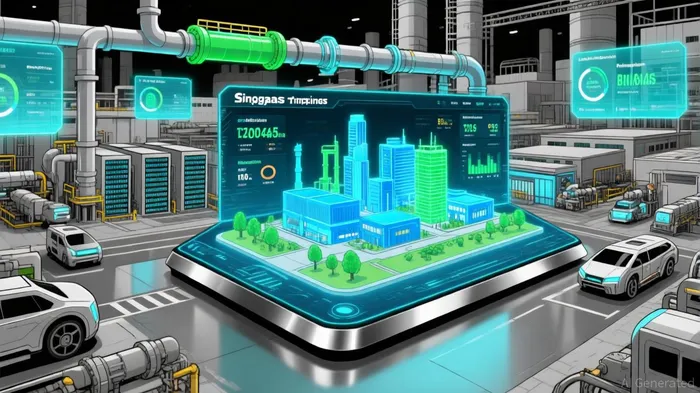
Singapore's electricity grid is undergoing a digital transformation to accommodate rising renewable energy penetration and distributed energy resources (DERs). The Energy Market Authority (EMA) and SP Group have jointly launched the Future Grid Capabilities Roadmap, which prioritizes technologies like grid digital twins and distributed energy resource management systems (DERMS) to enhance resilience and operational efficiency.
A key innovation is the Regulatory Sandbox for Virtual Power Plants (VPPs), which aggregates DERs such as solar PV and battery storage to provide flexible energy services. , combining solar and battery systems, is set to demonstrate how decentralized resources can stabilize the grid. These advancements are critical for managing the intermittency of renewables and ensuring reliability as Singapore transitions to a low-carbon system.
Strategic funding is accelerating this modernization. The Financing Asia's Transition Partnership (Fast-P), launched by the Monetary Authority of Singapore (MAS) in 2023, has allocated to support clean energy projects in Asia (Fast-P). This funding is designed to attract private and multilateral investments, with a target of mobilizing $5 billion to decarbonize sectors like cement and steel. The program's focus on green infrastructure underscores Singapore's role as a regional hub for climate finance.
Strategic Investment Opportunities
The convergence of biomethane and grid modernization creates a fertile ground for infrastructure investments. For investors, three themes stand out:
1. Technology-Driven Grid Solutions: Startups and utilities developing digital twins, DERMS, .
2. Regional Biomethane Supply Chains: Partnerships like PGN-NeutraDC illustrate the potential for cross-border projects, particularly in Southeast Asia's agricultural and industrial sectors.
3. Public-Private Collaboration: Initiatives like Fast-P and EDB's proposal calls reduce regulatory and financial risks, making Singapore an attractive base for green energy ventures.
Conclusion
Singapore's green energy transition is not merely an environmental imperative but a strategic economic opportunity. By investing in biomethane and smart grid technologies, stakeholders can capitalize on a market that balances innovation with regulatory support. As the country advances its 2050 net-zero roadmap, the alignment of policy, technology, and capital will define the next era of sustainable infrastructure.







Comentarios
Aún no hay comentarios