
Singapore Airlines and Scoot Confirm Boeing 787 Fuel Switches Function Properly
PorAinvest
martes, 15 de julio de 2025, 5:52 am ET1 min de lectura
BA--
The preliminary report from the Aircraft Accident Investigation Bureau (AAIB) indicated that the controls of the Boeing 787 Dreamliner were moved from the "run" to the "cutoff" position, causing the engines to lose fuel and leading to the crash of Air India Flight AI171 on June 12. This incident highlighted the importance of the fuel switch locking mechanism in aviation safety [2].
In response to the preliminary report, Singapore Airlines and other airlines worldwide have taken proactive steps to inspect their Boeing 787 aircraft. The Civil Aviation Authority of Singapore has mandated inspections for all active Singapore-registered Boeing aircraft, including the 787 and 737 models, by July 21, 2025 [1].
The inspections are part of a broader effort to ensure the safety of passengers and crew. The US Federal Aviation Administration (FAA) had previously flagged potential issues with the fuel switch locking mechanism in 2018 but did not consider it a safety concern that warranted an airworthiness directive [3]. However, the recent incident has prompted a more rigorous examination of these systems.
Singapore Airlines and the Civil Aviation Authority of Singapore are working closely with international aviation authorities and manufacturers to ensure the safety of their aircraft fleets. The inspections are expected to continue until all aircraft have been checked, providing additional peace of mind for passengers and investors alike.
References:
[1] https://www.financialexpress.com/business/airlines-aviation-after-etihad-air-india-tragedynbspprompts-singapore-airlines-to-mandate-checks-on-boeing-787-fuel-switch-locks-3914486/
[2] https://www.deccanchronicle.com/nation/dgca-orders-fuel-switch-checks-on-boeing-787-737-aircraft-1891430
[3] https://www.aljazeera.com/news/2025/7/11/fuel-switches-cut-off-just-before-deadly-air-india-crash-early-report-says
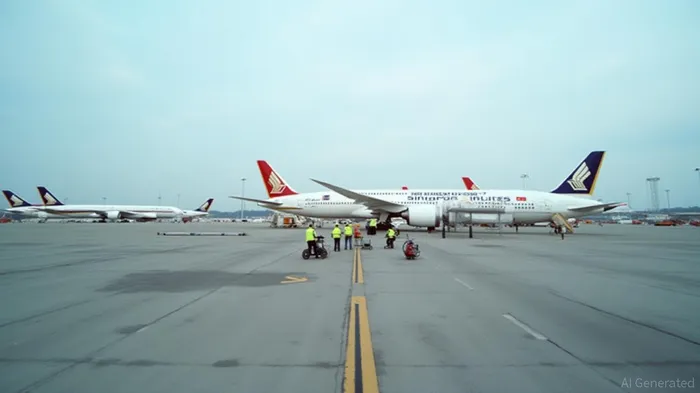
Singapore Airlines has checked all fuel switches on its Boeing 787 aircraft and found them functioning properly. The airline and its subsidiary Scoot have completed the checks as a precautionary measure. The Civil Aviation Authority of Singapore is also conducting inspections on the fuel control switches of all active Singapore-registered Boeing aircraft. The checks follow a preliminary report on the Air India crash, which showed the controls of the Boeing 787 Dreamliner were moved from "run" to "cutoff" position, starving the engines of fuel.
Singapore Airlines has completed a thorough inspection of the fuel switches on its Boeing 787 aircraft, finding them to be functioning properly. The airline and its subsidiary, Scoot, have conducted these checks as a precautionary measure following the preliminary report on the Air India crash. The Civil Aviation Authority of Singapore is also carrying out inspections on the fuel control switches of all active Singapore-registered Boeing aircraft [1].The preliminary report from the Aircraft Accident Investigation Bureau (AAIB) indicated that the controls of the Boeing 787 Dreamliner were moved from the "run" to the "cutoff" position, causing the engines to lose fuel and leading to the crash of Air India Flight AI171 on June 12. This incident highlighted the importance of the fuel switch locking mechanism in aviation safety [2].
In response to the preliminary report, Singapore Airlines and other airlines worldwide have taken proactive steps to inspect their Boeing 787 aircraft. The Civil Aviation Authority of Singapore has mandated inspections for all active Singapore-registered Boeing aircraft, including the 787 and 737 models, by July 21, 2025 [1].
The inspections are part of a broader effort to ensure the safety of passengers and crew. The US Federal Aviation Administration (FAA) had previously flagged potential issues with the fuel switch locking mechanism in 2018 but did not consider it a safety concern that warranted an airworthiness directive [3]. However, the recent incident has prompted a more rigorous examination of these systems.
Singapore Airlines and the Civil Aviation Authority of Singapore are working closely with international aviation authorities and manufacturers to ensure the safety of their aircraft fleets. The inspections are expected to continue until all aircraft have been checked, providing additional peace of mind for passengers and investors alike.
References:
[1] https://www.financialexpress.com/business/airlines-aviation-after-etihad-air-india-tragedynbspprompts-singapore-airlines-to-mandate-checks-on-boeing-787-fuel-switch-locks-3914486/
[2] https://www.deccanchronicle.com/nation/dgca-orders-fuel-switch-checks-on-boeing-787-737-aircraft-1891430
[3] https://www.aljazeera.com/news/2025/7/11/fuel-switches-cut-off-just-before-deadly-air-india-crash-early-report-says


Divulgación editorial y transparencia de la IA: Ainvest News utiliza tecnología avanzada de Modelos de Lenguaje Largo (LLM) para sintetizar y analizar datos de mercado en tiempo real. Para garantizar los más altos estándares de integridad, cada artículo se somete a un riguroso proceso de verificación con participación humana.
Mientras la IA asiste en el procesamiento de datos y la redacción inicial, un miembro editorial profesional de Ainvest revisa, verifica y aprueba de forma independiente todo el contenido para garantizar su precisión y cumplimiento con los estándares editoriales de Ainvest Fintech Inc. Esta supervisión humana está diseñada para mitigar las alucinaciones de la IA y garantizar el contexto financiero.
Advertencia sobre inversiones: Este contenido se proporciona únicamente con fines informativos y no constituye asesoramiento profesional de inversión, legal o financiero. Los mercados conllevan riesgos inherentes. Se recomienda a los usuarios que realicen una investigación independiente o consulten a un asesor financiero certificado antes de tomar cualquier decisión. Ainvest Fintech Inc. se exime de toda responsabilidad por las acciones tomadas con base en esta información. ¿Encontró un error? Reportar un problema


SOBRE NOSOTROS
Nuestra historiaAutores de noticiasBase de conocimientosPolítica de privacidadTérmino de usoDescargo de responsabilidad de corretaje de tercerosTérminos de uso de AIMEDivulgaciones de riesgos de AInvest AICarrerasCONTÁCTENOS
Email: support@ainvest.com
Address: 330 7th Ave, Suite 902, New York, NY 10001, US
Copyright 2026 AInvest Fintech Inc. All rights reserved.


Comentarios
Aún no hay comentarios