
Silver's Strategic Value in Volatile Markets
In an era marked by macroeconomic turbulence-from pandemic-induced shocks to inflationary surges and geopolitical tensions-investors are increasingly seeking assets that can serve dual purposes: hedging against uncertainty while retaining growth potential. Silver, often overshadowed by gold in discussions of safe-haven assets, has emerged as a compelling candidate for this role. Unlike gold, which primarily functions as a store of value, silver's unique interplay of industrial demand and monetary appeal positions it as both a hedge and a catalyst for growth in volatile markets.
Silver's Performance Amid Macroeconomic Volatility
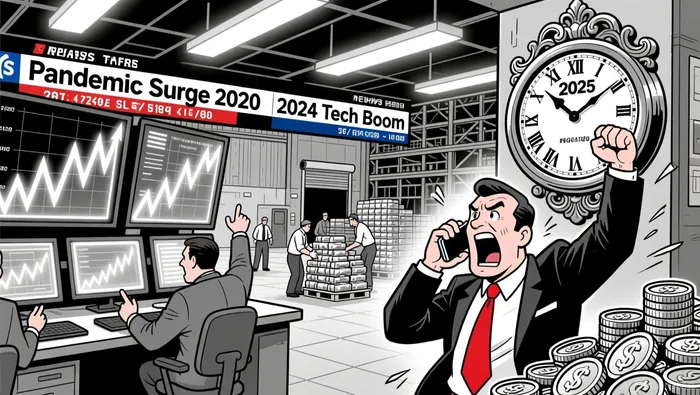
From 2020 to 2025, silver's price trajectory reflected its responsiveness to both monetary and industrial forces. During the initial phase of the pandemic, monetary easing and inflationary expectations drove silver to a peak of $29.26 per ounce in 2020, underscoring its role as an inflation hedge. However, unlike gold, which maintained a more stable trajectory during high-inflation periods, silver experienced pronounced volatility, with pullbacks in 2021–2023 before resuming a bullish trend in 2024. By June 2025, prices had surged to $37.06 per ounce, fueled by robust industrial demand, particularly in Asia and renewable energy sectors. This duality-reacting to both monetary policy and real-world economic activity-sets silver apart from traditional safe-haven assets.
Silver vs. Gold: Complementary Roles in a Diversified Portfolio
While gold has long been the benchmark for inflation protection, studies reveal that silver's utility is context-dependent. In high-inflation regimes, gold's returns respond more sharply to price pressures, whereas silver provides complementary protection during low-inflation periods. This dynamic suggests that a portfolio containing both metals can offer more comprehensive hedging across varying macroeconomic conditions. For instance, during the 2020–2025 period, gold's average price of $23.40 per ounce in 2023 contrasted with its role as a stable reserve, while silver's industrial applications allowed it to capitalize on growth in sectors like solar energy and electronics.
Moreover, silver's correlation with equities differs from gold's. While the S&P 500 and gold often exhibit an inverse relationship, this link is not always stable. Silver, by contrast, combines investment demand with industrial utility, making it more sensitive to economic cycles and output growth than gold alone as research shows. This characteristic enables investors to hedge against both inflation and real economic downturns, a critical advantage in today's unpredictable markets.
Industrial Demand: Silver's Growth Catalyst
The resurgence of silver prices in 2024–2025 was not solely driven by monetary factors. Industrial demand, particularly in renewable energy and advanced manufacturing, played a pivotal role. Silver is a key component in photovoltaic panels, electric vehicles, and semiconductor production, with global consumption in these sectors growing at a compound annual rate exceeding 10%. As central banks and governments prioritize green energy transitions, silver's industrial value is likely to remain a tailwind for prices, even amid periods of macroeconomic stress.
This dual role-as both a monetary hedge and an industrial growth asset-positions silver as a unique addition to diversified portfolios. Unlike gold, which is largely decoupled from real economic activity, silver benefits from trends such as technological innovation and energy transition, ensuring its relevance across multiple market cycles.
Looking Ahead: Silver's 2025 Outlook and Strategic Implications
Forecasts for 2025 suggest continued strength in silver prices, with some models projecting an average of $50.69 per ounce by year-end. These projections are underpinned by sustained industrial demand, geopolitical risks driving safe-haven flows, and the Federal Reserve's cautious approach to rate cuts. For investors, this environment presents an opportunity to leverage silver's dual attributes: hedging against inflation and currency devaluation while participating in the growth of high-demand industries.
However, silver's volatility remains a double-edged sword. Its price swings can amplify losses during downturns, necessitating careful risk management. A strategic allocation-balancing exposure to silver's growth potential with its hedging capabilities-can mitigate this risk while capturing its unique value proposition.
Conclusion
Silver's strategic value in volatile markets lies in its ability to straddle the line between monetary and industrial assets. While gold offers stability, and equities provide growth, silver uniquely combines both. As macroeconomic uncertainty persists and industrial demand accelerates, silver's role as a hedge and catalyst will likely become increasingly vital for investors seeking resilience and adaptability in their portfolios.







Comentarios
Aún no hay comentarios