
Silver Prices Hit New Highs As Supply Deficit Meets Industrial Demand
- , .
- Key drivers include expected Federal Reserve rate cuts, a weaker U.S. dollar, and persistent geopolitical tensions.
- Structural supply deficits and surging industrial demand are amplifying silver's gains versus other precious metals.
- Analysts caution that prices remain volatile while technical indicators appear stretched after this historic move.
Why Are Silver Prices Surging to Record Levels?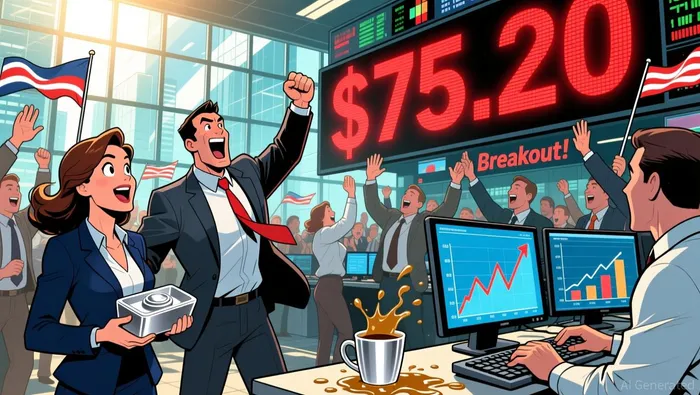
Silver tops recent performance charts due to a convergence of monetary policy and market dynamics. Expectations of prolonged interest rate cuts in 2026 reduce the opportunity cost of holding non-yielding assets like silver, making it more appealing to investors seeking alternatives to currencies or bonds. Geopolitical flare-ups, including tensions in Venezuela and West Africa amplified safe-haven demand during thin December trading. Thinner liquidity conditions allowed momentum-driven players to push prices higher as the U.S. dollar suffered significant depreciation. , reflecting its higher sensitivity to rate expectations and industrial cycles than gold. This performance marks the strongest annual gain for silver in modern financial history, driven by both financial investment and structural scarcity.
How Does Industrial Demand Impact Silver's Rally?
Industrial consumption creates fundamental support beneath silver's price surge. The metal faces a fifth consecutive annual structural supply deficit as mining output stagnates while industrial usage expands rapidly. Solar panel production, electric vehicle components, and AI infrastructure development consume record volumes of silver, straining available inventories and accelerating price appreciation pressures. This industrial demand component buffers silver during economic uncertainty compared to purely monetary metals. Manufacturers increasingly absorb higher input costs as green technology mandates globally necessitate greater silver usage regardless of price fluctuations. The U.S. critical mineral designation underscores supply chain vulnerabilities, prompting strategic stockpiling by industrial consumers amidst projections of worsening deficits. Unlike gold, silver cannot rely solely on investor flows to balance its market; physical consumption constantly tightens availability.
What Lies Ahead for Silver Prices After Historic Gains?
. . However, technical indicators suggest the rally remains overextended short-term, warranting investor caution despite positive structural drivers. . Market participants should prepare for significant price swings as silver's higher beta to rate expectations and industrial cycles makes it more reactive to macro shifts than gold. Geopolitical developments and Federal Reserve policy signals will likely drive near-term movements. Institutions globally increasingly incorporate silver into diversified 'barbell portfolios' combining tech assets with hard commodities, providing ongoing investment demand. While pullbacks appear probable after such rapid gains, structural shortages limit the potential for prolonged price declines. The market requires sustained higher prices to correct the underlying physical imbalance over the intermediate term.







Comentarios
Aún no hay comentarios