
Silver Demand Outpaces Mine Supply as Prices Reach Multi-Year Highs
- Silver prices surged over 140% year-to-date to $70/oz amid structural supply deficits.
- Industrial demand consumes 59% of global silver driven by solar panels and EVs.
- IMPACT Silver reported 24% revenue growth despite operational challenges.
- Analysts project $60/oz silver through 2026 as deficits persist.
Silver prices have reached multi-year highs as industrial demand overwhelmes stagnant mine production. The white metal's record-setting rally reflects its critical role in solar energy and electric vehicles, while miners struggle to boost output despite favorable economics. This supply-demand imbalance has created persistent market deficits that analysts believe could support prices through 2026. According to analysis.
Why Is Industrial Consumption Driving Silver's Historic Rally?
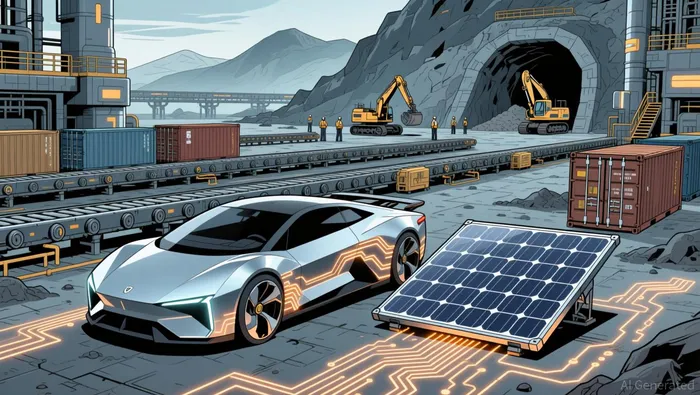
Industrial applications now dominate silver demand with 59% market share. Solar photovoltaic installations alone consume 29% of industrial silver, requiring 15-25 grams per panel. Next-generation TOPCon solar cells double silver consumption per gigawatt compared to older technologies. Electric vehicles compound this pressure, using 25-50 grams of silver per vehicle. These factors pushed cumulative supply deficits to 800 million ounces since 2021.
Mine production remains largely inelastic despite high prices. Approximately 75-80% of silver comes as a byproduct of base metal mining, creating structural supply limitations. Annual output remains stagnant at 813 million ounces even as borrowing costs spiked to 200% annualized amid inventory shortages. Exchange inventories have plunged to historic lows while industrial demand grows at 4% annually. This imbalance suggests persistent deficits ahead.
How Are Mining Companies Adapting to Higher Silver Prices?
Silver producers report improved economics from elevated prices. IMPACT Silver generated $10.7 million revenue in Q3 2025, marking 24% year-over-year growth despite 84-day mill outages and mine flooding. CEO Fred Davidson noted higher prices let miners process lower-grade ore: "As prices go up, your definition of ore goes down." The company reduced net losses to $0.6 million from $3.1 million while maintaining over $25 million cash reserves with no debt.
Mining firms deploy capital toward operational improvements and exploration. IMPACT targets cost reductions to $150 per ton while pursuing acquisitions. Exploration focuses on high-grade zones like Carlos Pacheco's silver-gold veins. Production throughput is expected to increase meaningfully in Q4 2025 and Q1 2026 following equipment repairs. These adaptations allow miners to capitalize on silver's rally despite operational headwinds.
Will Supply Constraints Sustain Silver's Momentum Into 2026?
Industry analysts project silver will maintain strong prices through 2026. OANDA forecasts potential climbs to $90 amid thinning liquidity and persistent institutional buying. Industrial demand could reach 250 million ounces annually by 2030 as solar installations exceed 500GW globally. EV adoption further compounds consumption growth. Silver's U.S. Critical Mineral List designation enhances investment appeal among institutions. According to market analysis.
Macroeconomic tailwinds support precious metals broadly. Federal Reserve rate cuts reduced opportunity costs for non-yielding assets. Central bank diversification away from dollar assets adds structural demand. Gold's 72% annual gain through December creates spillover support. However, high silver prices risk slowing green energy adoption as manufacturers face input cost pressure. Despite this, fundamentals suggest tight market conditions will persist.







Comentarios
Aún no hay comentarios