
Silver's 2025 Surge: A Structural Shift or Bubble?
In 2025, silver's price surged by 160–170% year-over-year, briefly trading above $84 per ounce before retreating to test $70 as a key support level according to market analysis. This meteoric rise has sparked a critical debate: Is this a structural repricing driven by industrial demand and supply constraints, or a speculative bubble fueled by market hype? To answer, we must dissect the interplay of fundamentals and market dynamics shaping silver's trajectory.
Structural Drivers: Industrial Demand and Supply Constraints
Industrial Demand: A New Era of Electrification
Silver's industrial demand has reached record levels, with 680.5 million ounces consumed in 2024 alone. Solar energy is the standout driver, accounting for nearly 200 million ounces annually. China, which produces over 80% of global solar panels, continues to dominate renewable energy adoption according to industry reports. Meanwhile, electric vehicles (EVs) are consuming 90 million ounces by 2025, with silver used in sensors, wiring, and power modules as data shows. The rise of artificial intelligence (AI) infrastructure and high-end electronics further amplifies demand, cementing silver's role in the global shift toward electrification.
Supply Constraints: A Perfect Storm
Silver mine production has declined for a decade due to mine closures, resource depletion, and infrastructure challenges according to mining analysts. Most silver is a byproduct of copper, zinc, and lead mining, making it structurally inelastic-new projects require 8–12 years to develop according to industry experts. Recycling, which contributes ~180 million ounces annually, has stagnated according to market data. Compounding this, China's export restrictions on refined silver-limiting exports to 44 state-approved producers for 2026–2027-have exacerbated global supply shocks according to Reuters. These policies mirror China's rare earths playbook, treating silver as a strategic resource according to financial analysts.
Geopolitical and Policy Tailwinds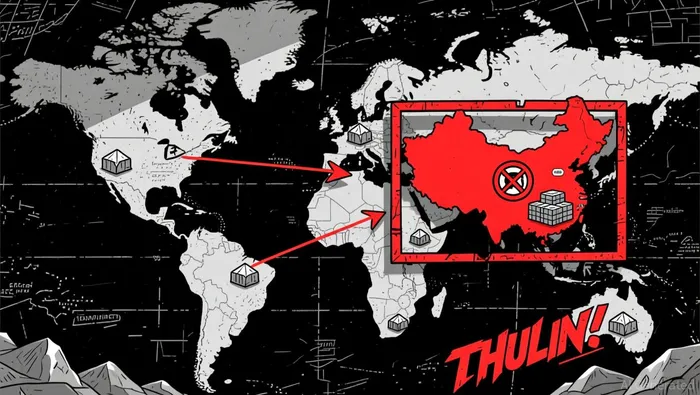 The U.S. added silver to its critical minerals list in 2025, recognizing its role in electrical circuits, batteries, and solar cells according to government reports. This designation, coupled with China's stockpiling and export controls, has created a geopolitical tug-of-war over supply chains. As TeslaTSLA-- CEO Elon Musk warned, such restrictions threaten industries reliant on silver according to business news.
Speculative Pressures: Volatility and Corrections
Despite robust fundamentals, silver's price volatility raises bubble concerns. The metal briefly exceeded $84 per ounce in December 2025 before a pullback driven by profit-taking and speculative selling according to technical analysis. This correction highlights the role of leveraged traders and futures markets in amplifying swings. Additionally, the widening gap between physical silver prices and paper-based futures suggests speculative excess according to market data.
Balancing Act: Structural vs. Speculative Forces
While short-term corrections are inevitable, the long-term outlook remains constructive. Structural factors-declining inventories, inelastic supply, and industrial demand tied to electrification-suggest silver's role as a critical input will persist. Analysts argue that even with a 2026 correction, prices could stabilize above $70 per ounce as demand outpaces supply according to market forecasts. However, speculative fervor and geopolitical risks (e.g., further Chinese restrictions) could amplify near-term volatility.
Outlook for 2026: A Tipping Point?
The coming year will test whether silver's surge is a structural shift or a bubble. Key factors to watch include:
1. Industrial demand growth in solar, EVs, and AI.
2. China's export policies and their impact on global supply.
3. Interest rate trends, which influence precious metals as inflation hedges.
If structural demand continues to outstrip supply, silver could cement its status as a foundational asset in the green economy. Conversely, a sharp drop in speculative inflows or a slowdown in industrial adoption could trigger a prolonged bear market.
For now, the data leans toward a structural repricing. Silver's price surge reflects not just market hype but a tangible realignment of supply and demand in a world increasingly powered by electrification. Investors must weigh the risks of volatility against the long-term fundamentals reshaping this critical metal.







Comentarios
Aún no hay comentarios