
Siemens Energy's U.S. Transformer Plant: A linchpin in AI-Driven Grid Modernization
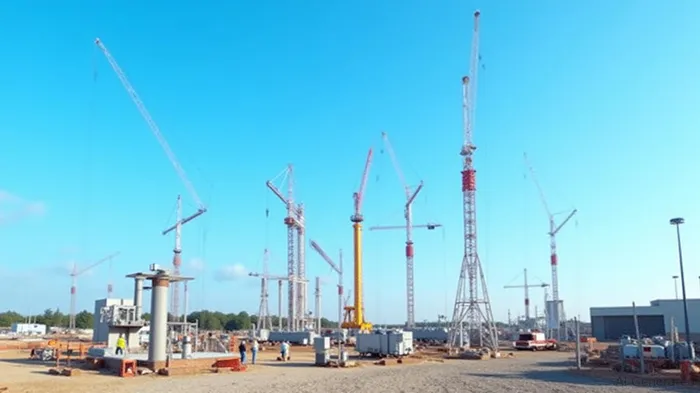
The U.S. power grid is undergoing a once-in-a-generation transformation, driven by twin forces: the urgency to decarbonize energy systems and the need to replace aging infrastructure. At the heart of this shift is Siemens Energy's $150 million transformer manufacturing plant in Charlotte, North Carolina—a facility set to begin production in early 2026 and scale to 57 large power transformers (LPTs) annually by 2027. This project isn't just about filling a supply gap; it's a strategic play to position Siemens Energy as a leader in AI-driven grid modernization, a market poised to grow alongside the $2 trillion federal investment in energy infrastructure by 2050.
The Grid's Silent Crisis
The U.S. grid is aging. Over 70% of its transformers are older than 25 years, and the average age is 38 years. These transformers—critical for converting high-voltage electricity to usable levels—are also in short supply. Only 20% are domestically produced, with lead times for imports stretching up to five years. The Charlotte plant addresses this shortfall directly, targeting 81 total units annually (including repairs) by full capacity. But Siemens Energy isn't just building hardware; it's embedding AI into every aspect of grid management to future-proof the system.
How AI is Reinventing the Grid
At the Distributech 2025 conference, Siemens Energy showcased its AI-driven Grid Enhancing Technologies (GETs), which optimize transformer performance in real time. For instance, AI algorithms predict hot spots on transformers before they become failures, reducing downtime and enhancing reliability. The company's partnership with NVIDIANVDA--, announced in Q2 2025, aims to refine these tools further, using AI to simulate thermal stress and integrate renewable energy fluctuations into grid planning.
The Charlotte plant's LPTs will be designed with AI in mind. Features like DC bias mitigation (to stabilize renewable-heavy grids) and digital twin technology (for predictive maintenance) are baked into the manufacturing process. As Olga Grbovic, Siemens Energy's head of grid solutions, noted at Distributech: “AI isn't an add-on—it's the nervous system of the modern grid.”
Why This Matters for Investors
The Charlotte plant is more than a manufacturing hub—it's a linchpin in Siemens Energy's strategy to capitalize on three megatrends:
1. Grid Modernization: Federal policies like the Inflation Reduction Act (IRA) are funneling billions into domestic infrastructure, with a $3.9 billion grid upgrade fund already allocated.
2. Renewables Surge: Solar and wind capacity is projected to grow 75% and 11%, respectively, by 2025. Siemens Energy's transformers are essential for distributing this energy efficiently.
3. AI-Driven Efficiency: Utilities are prioritizing grid resilience. AI tools that reduce outages and optimize power flow could add billions in savings over the next decade.
Risks and Considerations
- Trade Headwinds: Proposed 50% tariffs on EU goods (including transformers) threaten profit margins. Siemens Energy estimates tariffs could cost $117 million in 2025 alone, though domestic production mitigates this risk.
- Execution Risk: The Charlotte plant's timeline hinges on labor availability and supply chain stability. A 25% delay in production could strain Siemens Energy's cash flow.
- Competition: Rivals like ABB and General Electric are also expanding grid infrastructure projects. Siemens Energy's AI edge must remain sharp to stay ahead.
The Investment Thesis
Siemens Energy's Charlotte plant is a high-risk, high-reward bet. The facility directly addresses a critical infrastructure gapGAP-- while aligning with federal climate goals. Its AI partnerships (e.g., with NVIDIA) and digital twin capabilities position it to dominate grid modernization contracts.
For income investors, the 2.1% dividend yield offers stability. Growth-oriented investors should watch for milestones:
- 2026: First transformer shipment from Charlotte.
- 2027: Full-scale production and AI integration results.
- 2028: Impact on grid reliability metrics (e.g., outage reduction).
Final Take
Siemens Energy's Charlotte plant is no mere factory—it's a catalyst for the grid of the future. Backed by bipartisan support, AI innovation, and a $2 trillion market, the company is well-positioned to thrive. While tariffs and delays pose risks, the long-term opportunity in grid modernization is too vast to ignore. For investors with a 5–10 year horizon, Siemens Energy deserves a spot in infrastructure-focused portfolios.
Stay tuned for updates on the Charlotte plant's progress and Siemens Energy's AI partnerships.







Comentarios
Aún no hay comentarios