
Sibanye Stillwater Exits Rhyolite Ridge: A Blow to U.S. Lithium Ambitions
Generado por agente de IATheodore Quinn
miércoles, 26 de febrero de 2025, 1:27 am ET1 min de lectura
IONR--
Sibanye Stillwater, a leading precious metals producer, has announced its withdrawal from the Rhyolite Ridge lithium-boron project in Nevada, USA, leaving the project's future uncertain. The decision, driven by the project not meeting the company's investment criteria, has significant implications for the U.S. lithium market and the broader battery supply chain.
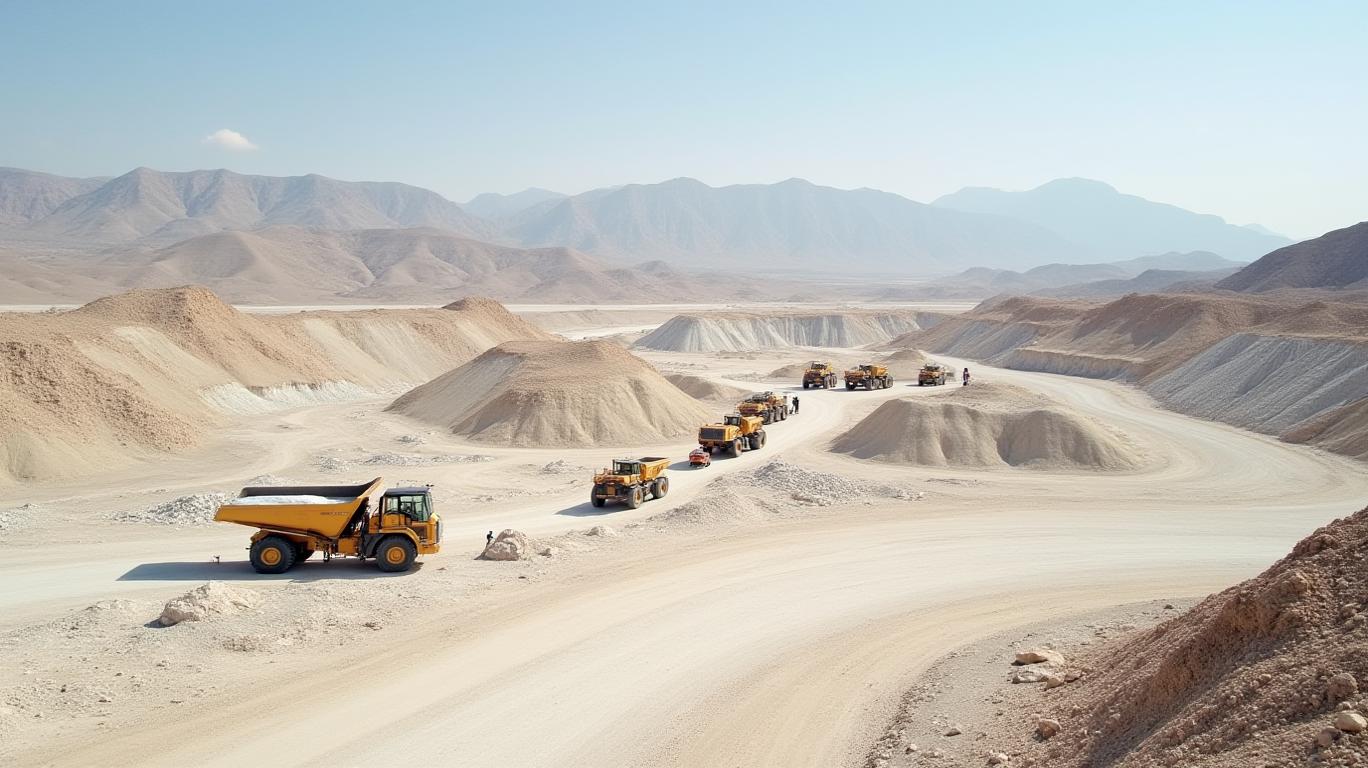
The Rhyolite Ridge project, a joint venture between Sibanye Stillwater and Ioneer, was expected to produce an average of 22,000 tons of lithium carbonate and 170,000 tons of boric acid annually, contributing to the U.S. and global lithium supply. However, Sibanye Stillwater's decision to pull out has raised concerns about the project's future and the potential impact on the lithium market and battery supply chain.
The withdrawal of a major investor like Sibanye Stillwater could lead to delays and uncertainty in the project's timeline, as Ioneer may face challenges in finding a new partner or securing alternative financing. This could push back the project's start date and potentially impact its financial viability, requiring Ioneer to seek additional funding or reduce the project's scale. In the worst-case scenario, the project could face closure, leading to a loss of potential lithium and boron production.
The withdrawal of Sibanye Stillwater from the Rhyolite Ridge project could exacerbate the global lithium supply deficit, which is expected to move into deficits from 2025 onwards. This deficit, driven by increasing demand for electric vehicles and energy storage systems, could lead to increased price volatility in the lithium market. This volatility could impact the broader battery supply chain, affecting the pricing and availability of battery materials.
The withdrawal may also have geopolitical implications, as the European Union (EU) seeks to reduce its reliance on China for battery metals. The EU has proposed a Critical Raw Materials Act to drive local production, but permitting hurdles and local opposition have derailed projects in Europe. The withdrawal of a major investor from the Rhyolite Ridge project may further complicate the EU's efforts to secure domestic supplies of vital battery minerals like lithium.
In conclusion, Sibanye Stillwater's withdrawal from the Rhyolite Ridge project has significant implications for the project's future and the broader lithium market and battery supply chain. The withdrawal could lead to delays, uncertainty, and potential closure of the project, while the lithium market and battery supply chain may face increased supply deficits, price volatility, geopolitical implications, and decreased investor confidence. As the global demand for lithium continues to grow, the need for new projects and investments in the lithium sector remains critical to meet the increasing demand for electric vehicles and energy storage systems.
SBSW--
Sibanye Stillwater, a leading precious metals producer, has announced its withdrawal from the Rhyolite Ridge lithium-boron project in Nevada, USA, leaving the project's future uncertain. The decision, driven by the project not meeting the company's investment criteria, has significant implications for the U.S. lithium market and the broader battery supply chain.
The Rhyolite Ridge project, a joint venture between Sibanye Stillwater and Ioneer, was expected to produce an average of 22,000 tons of lithium carbonate and 170,000 tons of boric acid annually, contributing to the U.S. and global lithium supply. However, Sibanye Stillwater's decision to pull out has raised concerns about the project's future and the potential impact on the lithium market and battery supply chain.
The withdrawal of a major investor like Sibanye Stillwater could lead to delays and uncertainty in the project's timeline, as Ioneer may face challenges in finding a new partner or securing alternative financing. This could push back the project's start date and potentially impact its financial viability, requiring Ioneer to seek additional funding or reduce the project's scale. In the worst-case scenario, the project could face closure, leading to a loss of potential lithium and boron production.
The withdrawal of Sibanye Stillwater from the Rhyolite Ridge project could exacerbate the global lithium supply deficit, which is expected to move into deficits from 2025 onwards. This deficit, driven by increasing demand for electric vehicles and energy storage systems, could lead to increased price volatility in the lithium market. This volatility could impact the broader battery supply chain, affecting the pricing and availability of battery materials.
The withdrawal may also have geopolitical implications, as the European Union (EU) seeks to reduce its reliance on China for battery metals. The EU has proposed a Critical Raw Materials Act to drive local production, but permitting hurdles and local opposition have derailed projects in Europe. The withdrawal of a major investor from the Rhyolite Ridge project may further complicate the EU's efforts to secure domestic supplies of vital battery minerals like lithium.
In conclusion, Sibanye Stillwater's withdrawal from the Rhyolite Ridge project has significant implications for the project's future and the broader lithium market and battery supply chain. The withdrawal could lead to delays, uncertainty, and potential closure of the project, while the lithium market and battery supply chain may face increased supply deficits, price volatility, geopolitical implications, and decreased investor confidence. As the global demand for lithium continues to grow, the need for new projects and investments in the lithium sector remains critical to meet the increasing demand for electric vehicles and energy storage systems.

Divulgación editorial y transparencia de la IA: Ainvest News utiliza tecnología avanzada de Modelos de Lenguaje Largo (LLM) para sintetizar y analizar datos de mercado en tiempo real. Para garantizar los más altos estándares de integridad, cada artículo se somete a un riguroso proceso de verificación con participación humana.
Mientras la IA asiste en el procesamiento de datos y la redacción inicial, un miembro editorial profesional de Ainvest revisa, verifica y aprueba de forma independiente todo el contenido para garantizar su precisión y cumplimiento con los estándares editoriales de Ainvest Fintech Inc. Esta supervisión humana está diseñada para mitigar las alucinaciones de la IA y garantizar el contexto financiero.
Advertencia sobre inversiones: Este contenido se proporciona únicamente con fines informativos y no constituye asesoramiento profesional de inversión, legal o financiero. Los mercados conllevan riesgos inherentes. Se recomienda a los usuarios que realicen una investigación independiente o consulten a un asesor financiero certificado antes de tomar cualquier decisión. Ainvest Fintech Inc. se exime de toda responsabilidad por las acciones tomadas con base en esta información. ¿Encontró un error? Reportar un problema


SOBRE NOSOTROS
Nuestra historiaAutores de noticiasBase de conocimientosPolítica de privacidadTérmino de usoDescargo de responsabilidad de corretaje de tercerosTérminos de uso de AIMEDivulgaciones de riesgos de AInvest AICarrerasCONTÁCTENOS
Email: support@ainvest.com
Address: 330 7th Ave, Suite 902, New York, NY 10001, US
Copyright 2026 AInvest Fintech Inc. All rights reserved.


Comentarios
Aún no hay comentarios