
Should You Buy the 3 Highest-Paying Dividend Stocks in the Dow Jones?
Generado por agente de IAEli Grant
sábado, 7 de diciembre de 2024, 10:48 am ET1 min de lectura
CVX--
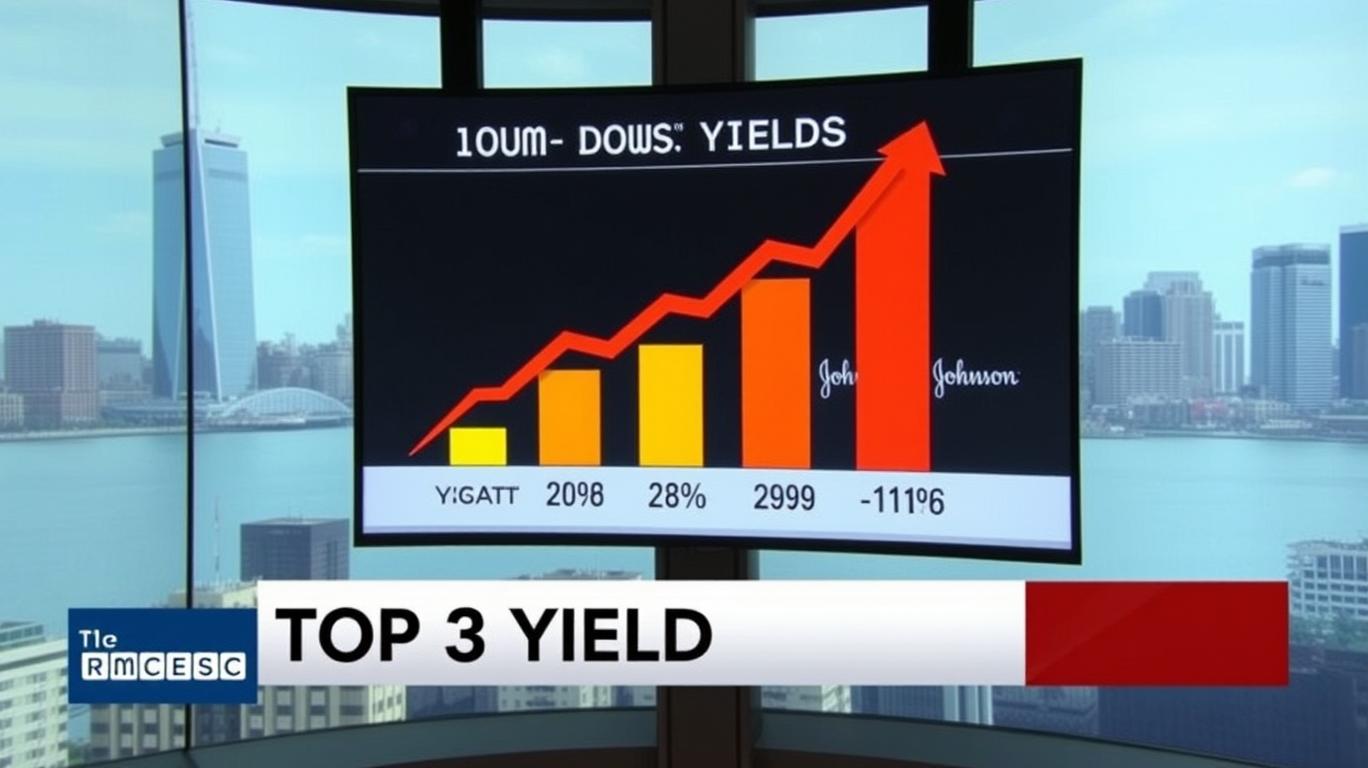
As investors seek income-generating investments, the allure of high dividend yields can be tempting. The Dow Jones Industrial Average (DJIA) is home to several blue-chip companies that offer attractive dividends. However, it's crucial to evaluate the sustainability and growth prospects of these dividends before making an investment decision. Let's examine the top three dividend-yielding stocks in the DJIA: Verizon (VZ), Dow Inc. (DOW), and Chevron (CVX).
Verizon (VZ) offers an impressive dividend yield of 6.1%, driven by its mature business model and generous payouts to shareholders. However, Verizon's weak stock market performance and significant debt load ($150 billion) may limit its ability to raise dividends or invest in growth opportunities. Additionally, intense competition in the telecom industry could erode earnings and dividend growth.
Dow Inc. (DOW) boasts a dividend yield of 5.3% and a lower payout ratio of 50%. Its dividend growth rate has been around 5% annually, in line with the industry average. As a commodity chemical producer, Dow Inc. benefits from inflation but is also a cyclical play. Economic downturns could lead to reduced demand for chemicals, impacting its earnings and dividend payments.
Chevron (CVX) provides a dividend yield of 4.4% with a payout ratio of around 40%. Its dividend growth rate has been around 6% annually, higher than the industry average. However, Chevron faces risks from volatile oil prices and regulatory pressures to transition to renewable energy. Its high dividend payout ratio leaves little room for dividend growth without strong earnings growth.
To evaluate the sustainability of these dividends, let's consider their current valuations and historical averages. Verizon, Chevron, and Amgen are currently trading at P/E ratios of 18.4, 17.4, and 35.5, respectively, which are higher than the average among the 30 Dow stocks (15.5). This suggests that these stocks may be overvalued compared to their historical averages and industry peers. However, it's important to note that P/E ratios alone do not provide a complete picture of a company's valuation.
In conclusion, while the high dividend yields of Verizon, Dow Inc., and Chevron may be appealing, investors should carefully consider the potential risks and growth prospects of these companies before investing. A balanced and analytical approach, considering multiple perspectives and factors, is essential for making informed investment decisions. It's crucial to monitor these companies' earnings, cash flow, and dividend policies to ensure the sustainability of their dividends in the long term.
As the market continues to evolve, investors should remain vigilant and adaptable, staying informed about the latest trends and developments in the industries and companies they invest in. By doing so, they can better navigate the complexities of the market and make more informed decisions about their portfolios.
DOW--
VZ--
As investors seek income-generating investments, the allure of high dividend yields can be tempting. The Dow Jones Industrial Average (DJIA) is home to several blue-chip companies that offer attractive dividends. However, it's crucial to evaluate the sustainability and growth prospects of these dividends before making an investment decision. Let's examine the top three dividend-yielding stocks in the DJIA: Verizon (VZ), Dow Inc. (DOW), and Chevron (CVX).
Verizon (VZ) offers an impressive dividend yield of 6.1%, driven by its mature business model and generous payouts to shareholders. However, Verizon's weak stock market performance and significant debt load ($150 billion) may limit its ability to raise dividends or invest in growth opportunities. Additionally, intense competition in the telecom industry could erode earnings and dividend growth.
Dow Inc. (DOW) boasts a dividend yield of 5.3% and a lower payout ratio of 50%. Its dividend growth rate has been around 5% annually, in line with the industry average. As a commodity chemical producer, Dow Inc. benefits from inflation but is also a cyclical play. Economic downturns could lead to reduced demand for chemicals, impacting its earnings and dividend payments.
Chevron (CVX) provides a dividend yield of 4.4% with a payout ratio of around 40%. Its dividend growth rate has been around 6% annually, higher than the industry average. However, Chevron faces risks from volatile oil prices and regulatory pressures to transition to renewable energy. Its high dividend payout ratio leaves little room for dividend growth without strong earnings growth.
To evaluate the sustainability of these dividends, let's consider their current valuations and historical averages. Verizon, Chevron, and Amgen are currently trading at P/E ratios of 18.4, 17.4, and 35.5, respectively, which are higher than the average among the 30 Dow stocks (15.5). This suggests that these stocks may be overvalued compared to their historical averages and industry peers. However, it's important to note that P/E ratios alone do not provide a complete picture of a company's valuation.
In conclusion, while the high dividend yields of Verizon, Dow Inc., and Chevron may be appealing, investors should carefully consider the potential risks and growth prospects of these companies before investing. A balanced and analytical approach, considering multiple perspectives and factors, is essential for making informed investment decisions. It's crucial to monitor these companies' earnings, cash flow, and dividend policies to ensure the sustainability of their dividends in the long term.
As the market continues to evolve, investors should remain vigilant and adaptable, staying informed about the latest trends and developments in the industries and companies they invest in. By doing so, they can better navigate the complexities of the market and make more informed decisions about their portfolios.

Divulgación editorial y transparencia de la IA: Ainvest News utiliza tecnología avanzada de Modelos de Lenguaje Largo (LLM) para sintetizar y analizar datos de mercado en tiempo real. Para garantizar los más altos estándares de integridad, cada artículo se somete a un riguroso proceso de verificación con participación humana.
Mientras la IA asiste en el procesamiento de datos y la redacción inicial, un miembro editorial profesional de Ainvest revisa, verifica y aprueba de forma independiente todo el contenido para garantizar su precisión y cumplimiento con los estándares editoriales de Ainvest Fintech Inc. Esta supervisión humana está diseñada para mitigar las alucinaciones de la IA y garantizar el contexto financiero.
Advertencia sobre inversiones: Este contenido se proporciona únicamente con fines informativos y no constituye asesoramiento profesional de inversión, legal o financiero. Los mercados conllevan riesgos inherentes. Se recomienda a los usuarios que realicen una investigación independiente o consulten a un asesor financiero certificado antes de tomar cualquier decisión. Ainvest Fintech Inc. se exime de toda responsabilidad por las acciones tomadas con base en esta información. ¿Encontró un error? Reportar un problema


SOBRE NOSOTROS
Nuestra historiaAutores de noticiasBase de conocimientosPolítica de privacidadTérmino de usoDescargo de responsabilidad de corretaje de tercerosTérminos de uso de AIMEDivulgaciones de riesgos de AInvest AICarrerasCONTÁCTENOS
Email: support@ainvest.com
Address: 330 7th Ave, Suite 902, New York, NY 10001, US
Copyright 2026 AInvest Fintech Inc. All rights reserved.


Comentarios
Aún no hay comentarios