
Short Sellers Cash In: $159 Billion in 6 Days
Generado por agente de IAHarrison Brooks
viernes, 11 de abril de 2025, 1:42 am ET2 min de lectura
In the high-stakes world of finance, short sellers have emerged as the unexpected winners in the escalating trade war, minting a staggering $159 billion in paper profits over just six trading days. The U.S. stock market, once a bastion of stability, has plummeted by more than 10% following President Donald Trump's announcement of sweeping worldwide tariffs. This dramatic shift has created a goldmine for those who bet against the market, turning a bearish outlook into a lucrative opportunity.
The biggest market drawdown since 2022 has made bets against an exchange-traded fund tracking the S&P 500 index, known as SPY, the most profitable short bet in recent history. Traders wagering that the ETF would fall have so far accumulated paper profits of more than US$6.1 billion this month, according to an S3 report. This data highlights the extent to which short sellers have profited from the market downturn, which can further amplify market volatility and uncertainty.
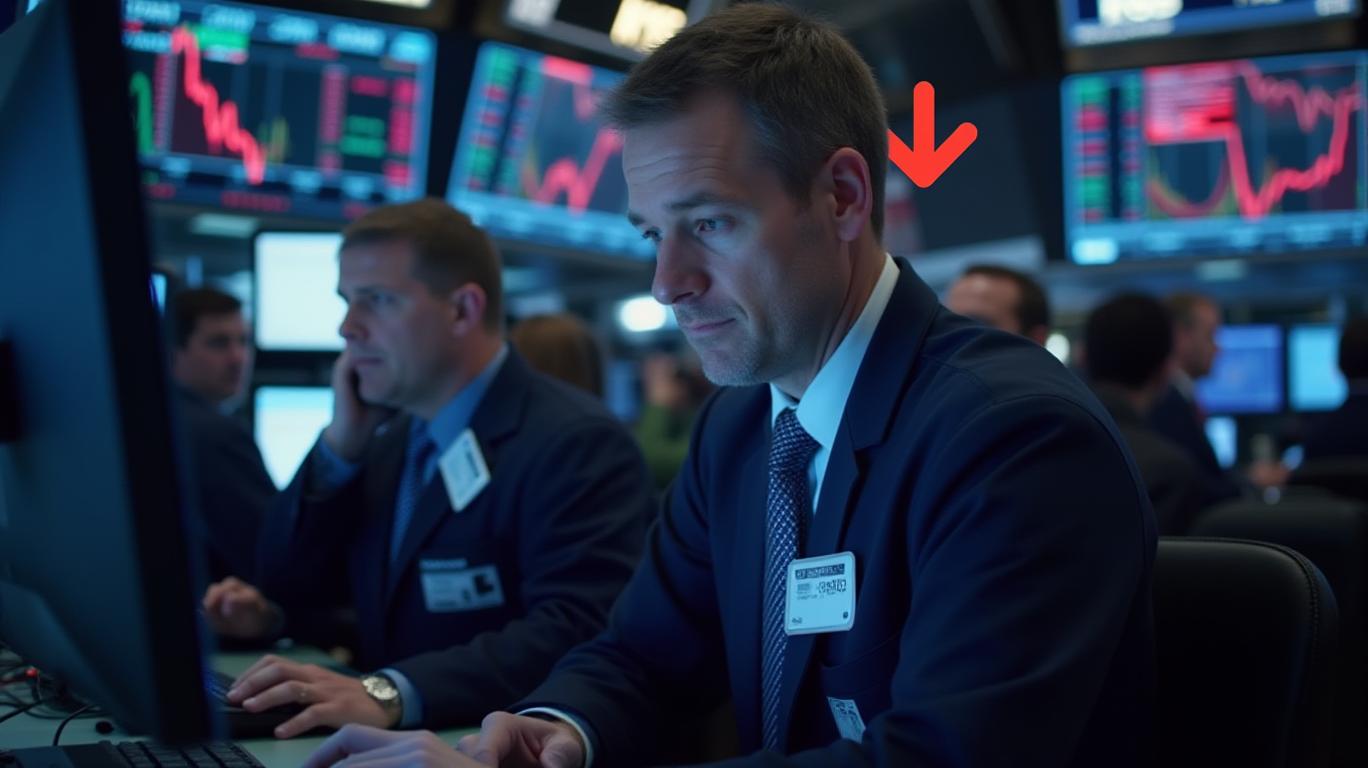
The significant gains by short sellers also suggest that there is a risk of further market instability. With another US$46 billion of new short bets made in April, there’s a risk that these contrarian wagers could amplify the next big shift in the market, especially if current weakness reverses and sends the major indexes higher. This dynamic could lead to increased volatility as short sellers exit their negative positions by buying back shares, potentially boosting upside momentum for the overall market.
Moreover, the data from Ortex TechnologiesORA-- shows that short sellers targeting U.S. companies have gained $127 billion on paper from April 2 through Monday after President Donald Trump's plans for sweeping tariffs sparked a sharp selloff in stocks. This further underscores the bearish sentiment and the potential for continued market volatility. The rapid increase in short interest for various stock indexes from around the globe, which peaked on April 4 before starting to drop, indicates that investors are growing less bearish as well as profit-taking. However, the overall sentiment remains cautious, with falling short interest typically indicating investors growing less bearish as well as profit-taking.
The recent gains of short sellers have contributed to a bearish market sentiment and reduced investor confidence in the U.S. stock market. The substantial profits accumulated by short sellers, coupled with the ongoing trade war and market volatility, suggest that the market remains uncertain and prone to further fluctuations.
In light of the significant short-selling profits, investors considering entering or exiting the market face both potential risks and opportunities. The market has experienced wild intraday swings, erasing trillions of dollars of market value. This volatility can amplify the next big shift in the market, especially if current weakness reverses and sends major indexes higher. As Ihor Dusaniwsky, managing director of predictive analytics at S3, noted, "Overall, the short side was an extraordinarily profitable trade up and down the market during this correction. 81 per cent of every short trade was profitable and 97 per cent of every dollar shorted was a profitable trade." This indicates that the market is highly unpredictable, which can be risky for investors.
Short sellers who have made significant profits may face margin calls if the market rebounds. As the market hits a floor and starts trending upwards again, short sellers will likely exit their negative positions by buying back shares, which could boost upside momentum for the overall market. Dusaniwsky further explained, "When the market hits a floor and starts trending upwards again, we should expect a slew of buy-to-covers as the mark-to-market increase of shares shorted creates a short side over-exposure in hedged portfolios and short sellers look to realize their mark-to-market gains." This could lead to a rapid increase in stock prices, causing losses for those who are short.
With another US$46 billion of new short bets made in April, there’s a risk that these contrarian wagers further amplify the next big shift in the market. If the market reverses and sends major indexes higher, short sellers will be forced to cover their positions, potentially exacerbating market volatility on the way up as they did on the way down.
While there are significant risks associated with entering or exiting the market in light of the significant short-selling profits, there are also opportunities for investors to profit from short selling and potential market rebounds. However, investors must be cautious and well-informed to navigate the volatile market conditions effectively.



Divulgación editorial y transparencia de la IA: Ainvest News utiliza tecnología avanzada de Modelos de Lenguaje Largo (LLM) para sintetizar y analizar datos de mercado en tiempo real. Para garantizar los más altos estándares de integridad, cada artículo se somete a un riguroso proceso de verificación con participación humana.
Mientras la IA asiste en el procesamiento de datos y la redacción inicial, un miembro editorial profesional de Ainvest revisa, verifica y aprueba de forma independiente todo el contenido para garantizar su precisión y cumplimiento con los estándares editoriales de Ainvest Fintech Inc. Esta supervisión humana está diseñada para mitigar las alucinaciones de la IA y garantizar el contexto financiero.
Advertencia sobre inversiones: Este contenido se proporciona únicamente con fines informativos y no constituye asesoramiento profesional de inversión, legal o financiero. Los mercados conllevan riesgos inherentes. Se recomienda a los usuarios que realicen una investigación independiente o consulten a un asesor financiero certificado antes de tomar cualquier decisión. Ainvest Fintech Inc. se exime de toda responsabilidad por las acciones tomadas con base en esta información. ¿Encontró un error? Reportar un problema


SOBRE NOSOTROS
Nuestra historiaAutores de noticiasBase de conocimientosPolítica de privacidadTérmino de usoDescargo de responsabilidad de corretaje de tercerosTérminos de uso de AIMEDivulgaciones de riesgos de AInvest AICarrerasCONTÁCTENOS
Email: support@ainvest.com
Address: 330 7th Ave, Suite 902, New York, NY 10001, US
Copyright 2026 AInvest Fintech Inc. All rights reserved.


Comentarios
Aún no hay comentarios