
Shikoku Electric: Can It Capture the Grid Expansion Tailwind Before Rising Costs Sink Margins?
The dominant financial news cycle for Japanese utilities right now is a sweeping policy shift. On March 24, Japan's Cabinet approved a bill to amend the Electricity Business Act, a move that has become the top trending topic in the sector. This isn't just regulatory noise; it's a direct catalyst mandating faster development of large-scale transmission lines and power sources. For utilities, this policy creates a potential long-term tailwind, but it also raises the stakes for execution.
The government's push is driven by two urgent structural challenges. First, there's a projected grid investment gap. The national master plan calls for up to ¥70 trillion in transmission investment by 2050, fueled by rising demand, especially from data centers and semiconductors. Second, there's a structural decline in thermal generation, with capacity scheduled for retirement in the current fiscal year roughly three times the prior year's level. The amendment aims to close this gap by establishing a clear policy framework to promote both grid and generation projects.
A critical enabler for this ambitious plan is a new government-backed lending facility via fiscal investment and loan programs. This mechanism is designed to address the long construction timelines and extended cost recovery periods that make financing large-scale transmission projects, like submarine HVDC lines, challenging through corporate finance alone. For a utility like Shikoku Electric, which serves the isolated Shikoku island, this national infrastructure push is a double-edged sword. Its geographic position makes it a key player in the mandated grid expansion, but it also amplifies execution risk and capital needs. The market is watching to see if Shikoku can leverage this policy tailwind to secure funding and navigate the complex build-out, or if the costs and delays will outweigh the benefits.
Financial Impact: Costs, Cuts, and Cash Flow
The market's focus on energy policy is now colliding with the hard reality of rising costs. For Shikoku Electric, three distinct pressures are shaping its near-term financial health, creating a squeeze between strategic opportunity and operational vulnerability.
First, input costs are hitting hard. Major battery supplier GS Yuasa is raising prices for industrial power systems by 10% or more, effective for deliveries starting in April 2026. This move, driven by surging raw material, energy, and logistics expenses, directly impacts Shikoku's ability to build and maintain the energy storage and grid infrastructure that the new policy mandates. The company will need to absorb or pass on these higher costs, potentially affecting project margins and capital efficiency.
Second, a scheduled dividend payment creates a temporary price headwind. Shikoku Electric is trading ex-dividend on March 30th, with a 50 JPY per share payout. While this signals stable cash flow and a commitment to returning capital, it also means the stock will likely see a corresponding dip on that date. For investors, this is a known event, but it adds a layer of near-term volatility to an already sensitive stock.
The third and most structural pressure is Japan's deep reliance on imported fossil fuels. With the country's energy self-sufficiency ratio at just 12.6% and 80.7% of supply coming from imported oil, coal, and LNG, Shikoku Electric faces persistent vulnerability to global price volatility. This isn't a one-off cost increase; it's a fundamental cost of doing business that can swing earnings quarter-to-quarter. The push for renewables aims to change this, but the transition is long and expensive.
Together, these factors test the company's financial resilience. The dividend shows strength, but the rising cost of building the future infrastructure could eat into those returns. The market is looking for a utility that can navigate this cost squeeze while executing on the policy tailwind. For now, the numbers suggest a company under pressure on multiple fronts.
Catalysts and Risks: What to Watch
The investment thesis for Shikoku Electric hinges on its ability to turn national policy into local results. Over the next six to twelve months, three specific events will prove or disprove whether the company is riding the energy transition wave or getting left behind.
First, the company's formal response to the new transmission law is the primary catalyst. The March 24th cabinet approval created a clear mandate, but the real test is execution. Shikoku must announce concrete plans for new projects or partnerships to leverage the national push. Given its geographic isolation, the island utility is a natural focal point for grid expansion, but it also faces the steepest execution hurdles. The market will be watching for any announcements on securing the government-backed lending facility mentioned in the amendment, as this is key to financing the long construction timelines of projects like submarine HVDC lines. A lack of specific, funded plans would signal the policy tailwind is not translating to action.
Second, progress on nuclear restarts is a major source of headline risk and potential cost savings. The company's Ikata plant, particularly its No. 3 reactor, is under extended safety review and awaits approval. This delay forces reliance on costlier LNG imports, directly pressuring margins. Any positive regulatory movement or a firm restart timeline would be a significant positive catalyst, improving baseload reliability and cash flow. Conversely, further delays would confirm the vulnerability highlighted by its high import dependency and could trigger a reassessment of the stock's value.
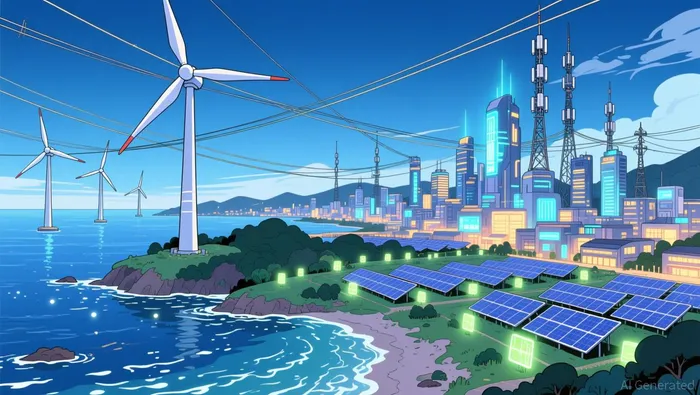
The overarching risk, however, is that execution delays or cost overruns in its own transition plans leave it unable to capitalize on the national policy tailwind. The company has announced expanded investments in offshore wind and solar, but these projects face their own challenges, including typhoon-prone geography and supply chain uncertainties. If these initiatives suffer from the same long timelines and cost pressures as the transmission grid, Shikoku could find itself stuck between rising input costs and delayed returns. The key metric to watch will be whether its capital expenditure remains on track and within budget, and whether its financial resilience, demonstrated by a strong balance sheet, can absorb any shocks without diluting shareholder returns.
In short, the next year will separate the utility that can navigate its geographic isolation to capture a national policy shift from one that gets bogged down in the details. The catalysts are clear, but the risk is that the company's own execution fails to match the pace of the headline.







Comentarios
Aún no hay comentarios