
Shifting Consumer Behavior and Investment Implications: From Medical Abstinence to Indulgence
The Erosion of GLP-1 Demand and Healthcare Sector Pressures
Novo Nordisk's Ozempic, once the poster child of the obesity pharmaceutical boom, is losing ground to competitors like Eli Lilly's Mounjaro and Zepbound. In Q3 2025, Mounjaro and Zepbound combined generated $10.1 billion in sales, surpassing Merck's Keytruda as the world's best-selling drug. Ozempic's sales growth has slowed to 7% in 2025, down sharply from 26% in 2024 according to market intelligence, as Novo NordiskNVO-- grapples with pricing cuts, supply shortages, and the rise of compounded semaglutide. The company's stock has plummeted 50% year-to-date, reflecting investor concerns over pricing pressures and innovation gaps.
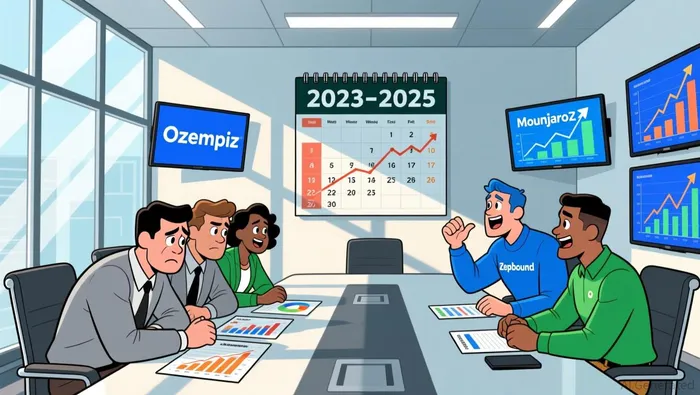 This decline underscores a critical shift: consumers are increasingly prioritizing lifestyle indulgence over medical abstinence. While GLP-1s have reshaped consumer spending-reducing grocery budgets for processed snacks and boosting apparel purchases- their long-term appeal is waning. A 2024 Cornell University study found that grocery spending reductions among GLP-1 users plateau after six months suggesting diminishing returns, suggesting diminishing returns on the drugs' appetite-suppressing effects. Meanwhile, the broader healthcare sector faces systemic risks, including 20 credit rating downgrades in 2025 and a median default probability of 5.43% for listed companies.
The Resurgence of Indulgence: Retail and Food Services Rebound
As GLP-1 adoption plateaus, consumer discretionary spending is rebounding in unexpected ways. Retailers catering to value-driven shoppers-such as TJX Companies and Ross Stores-are outperforming peers, benefiting from a shift toward off-price shopping. Conversely, traditional retailers like Target and Bath & Body Works have seen stock declines as consumers delay discretionary purchases according to retail analysts. The foodservice segment, however, is showing resilience, with Post Holdings reporting 11.8% year-on-year revenue growth driven by higher-margin egg and potato products according to industry reports.
This divergence reflects a K-shaped economic recovery, where higher-income households are splurging on wellness-focused travel and fine dining, while lower-income consumers face rising costs from tariffs and inflation according to economic analysts. The ripple effects of GLP-1 adoption are also waning: while users initially cut grocery spending by 5.3% according to consumer data, the broader retail sector is now seeing a normalization of indulgent consumption. For instance, apparel spending among GLP-1 users rose 4%–5% post-treatment, signaling a return to pre-pandemic spending habits.
Investment Implications: Capitalizing on Underpriced Discretionary Stocks
The underperformance of consumer discretionary and healthcare stocks in 2025 has created attractive entry points for investors. The consumer discretionary sector leads in credit rating downgrades and non-investment-grade companies, yet it also offers undervalued opportunities. Morningstar highlights Under Armour, Adient, and CarMax as undervalued cyclical plays, despite challenges like pricing power and trade headwinds according to market analysis. Similarly, the healthcare sector's struggles-exacerbated by policy shifts like U.S. tariffs-have depressed valuations for companies like Novo Nordisk, even as demand for weight-loss drugs remains robust.
The coming holiday season will be a critical test for these sectors. With retail sales growth at just 0.2% in September 2025 according to retail data, investors must prepare for a subdued Black Friday and Christmas shopping period. However, off-price retailers and foodservice operators are better positioned to weather these headwinds. For example, Post Holdings' focus on cost discipline aligns with the sector's need for operational resilience.
Conclusion: Reallocating Capital for a Post-GLP-1 Era
The decline in GLP-1 demand and the resurgence of indulgence mark a pivotal inflection point for healthcare and consumer discretionary markets. While Novo Nordisk and its peers face near-term challenges, investors should pivot toward underpriced retail and food services stocks that stand to benefit from shifting consumer priorities. As policy-driven uncertainties persist, the ability to adapt to a K-shaped recovery will separate winners from losers in both sectors.







Comentarios
Aún no hay comentarios