
Shell and Nvidia: Geopolitics and AI Drive Divergent Paths in Energy and Tech
The global energy and technology sectors are diverging sharply in 2025, with geopolitical tensions in the Middle East shaping outcomes for oil giants like ShellSHEL--, while AI innovation propels NvidiaNVDA-- toward record highs. Investors must navigate these contrasting forces to capitalize on sector-specific opportunities. Here's how to decode the risks and rewards.
Shell: Navigating Geopolitical Crosscurrents
Shell's recent denial of BP takeover rumors underscores its focus on navigating a volatile geopolitical landscape. Tensions between Israel and Iran, which initially spiked oil prices to $80/barrel in June, have since faded due to market resilience and Iran's restraint in blocking the Strait of Hormuz—a critical chokepoint for 20% of global oil supply.

Despite these risks, Shell's operations remain robust. Its Q1 2025 earnings of $5.6 billion (up 52% year-over-year) reflect the benefits of high oil prices and strategic investments, such as its partnership in Qatar's North Field East LNG project. CEO Wael Sawan has emphasized cautious rerouting of ships and diversified supply chains to mitigate disruption risks. However, the company faces headwinds:
- Rerouting Costs: Longer shipping routes to avoid contested watersWAT-- could eat into margins.
- Demand Uncertainty: Weak Chinese growth and seasonal demand declines threaten oil prices, which fell to $64/barrel by June's end.
Investment Takeaway: Shell offers a defensive play in energy. Its 3.95% dividend yield and shareholder returns of over 10% make it a hold for long-term investors, but volatility persists. Pair it with oil ETFs (e.g., USO) to hedge against Strait-of-Hormuz disruption spikes.
Nvidia: AI's Ascendant Monarch
While Shell battles geopolitical winds, Nvidia is riding the AI wave to record highs. The company's stock breached $154 in June, fueled by Loop Capital's $250 price target and its dominance in AI chips. Key drivers:
- Hardware Supremacy: The H100 and upcoming B200 GPUs remain essential for training large language models. The B200's 192GB HBM3e memory and 4.5 PFLOPS FP8 compute make it irreplaceable for extreme-scale AI tasks.
- Software Ecosystem: CUDA's ubiquity and partnerships with AWS and Azure lock in demand. Even as competitors like Cerebras and AMD emerge, Nvidia's full-stack offerings (hardware + software) retain a 80% share of high-end GPU markets.
- Diversification: The RTX 5050 graphics card targets gamers, ensuring stable revenue streams while AI infrastructure scales.
Risks: U.S. export restrictions to China (projected to cost $8B in Q2) and competition from custom chips (e.g., Google's TPUs) could slow growth. Investors must watch Micron's earnings (a key supplier of HBM memory) for clues on AI compute demand. Historically, this has paid off: from 2020 to 2025, buying NVDANVDA-- on days when MUMU-- beat earnings estimates and holding for 30 days resulted in an average gain of 2.5%, according to backtests.
Investment Takeaway: Nvidia's moat in AI hardware/software is unmatched. Buy the dips below $150, aiming for a $200+ target by 2026. Avoid overpaying at current highs, but hold for long-term AI infrastructure plays.
Contrasting Sectors, Contrasting Strategies
The divide between energy and tech reflects deeper shifts:
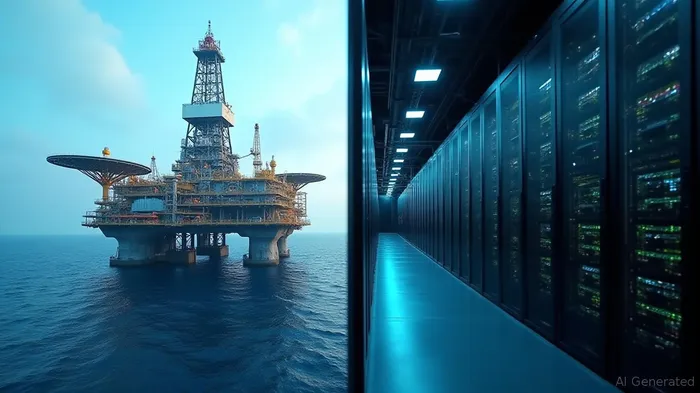
- Geopolitical Risk vs. Tech Innovation: Shell's success hinges on Middle East stability and demand recovery, while Nvidia's fate is tied to AI adoption and compute density.
- Valuation Dynamics: Shell trades at 11x 2025 EPS, cheaper than its peers, while Nvidia's 40x P/E reflects growth expectations.
Final Call:
- Shell: A core holding for energy exposure but pair with short-term oil ETFs.
- Nvidia: A core tech holding, but wait for pullbacks.
Both companies exemplify how sector-specific forces—geopolitics for energy, innovation for tech—are defining 2025's winners. Investors who align with these trends will thrive.





Comentarios
Aún no hay comentarios