
Shares of Hollywood Studios, Streamers Fall After Trump's Film-Tariff Proposal
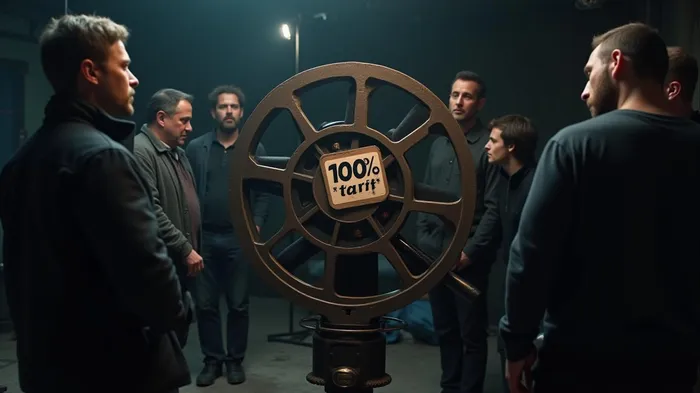
The Trump administration’s sudden proposal to impose a 100% tariff on movies produced outside the U.S. has sent shockwaves through the entertainment industry, triggering immediate declines in shares of studios and streaming platforms. While the policy is still in its infancy, its sweeping implications—from production costs to global trade dynamics—highlight a fraught path forward for Hollywood.
The Ambiguity of "Foreign Production"
The proposal’s vagueness is its most immediate problem. President Trump’s definition of “foreign-produced” movies is unclear, leaving studios scrambling to interpret the risks. For instance, blockbusters like Mission: Impossible — The Final Reckoning and Avatar were filmed in the U.K. and New Zealand, respectively, leveraging tax rebates to offset soaring production costs. If retroactively applied, the tariff could demand a 100% levy on U.S. box office revenues—such as the $400 million grossed by A Minecraft Movie—a financial blow that could destabilize studios.
The tariff’s scope also threatens international co-productions, which often involve U.S. studios partnering with foreign entities to share costs. For example, The Brutalist, a Hungarian-U.K.-U.S. collaboration, might become economically unviable if tariffs penalize foreign contributions.
Streaming Platforms in the Crosshairs
While the policy targets “movies,” it could extend to streaming content—a far broader reach. NetflixNFLX--, Disney+, and HBO Max could face tariffs on shows like Squid Game or Money Heist, calculated against U.S. subscriber revenue. Determining attributable revenue for global streams complicates enforcement, but the mere threat has already rattled investors.
The Economic Squeeze on U.S. Production
The policy’s goal of reviving U.S. filmmaking faces harsh realities. Domestic production costs are 30–40% higher than in countries like Canada or the U.K., where tax incentives offset expenses. Smaller indie films, already under strain, could vanish entirely, while studios might slash budgets or turn to AI-driven content—risking guild backlash. Los Angeles has already seen a 22% decline in film production since 2023 as studios shift to lower-cost locales like Atlanta or Canada.
Global Backlash and Retaliation Risks
Foreign governments are mobilizing against the proposal. The U.K., Australia, and New Zealand have condemned it as economically self-destructive, given their roles as key partners in U.S. film production. Germany’s Screen Producers Association noted that U.S. films account for 71% of European cinema admissions, creating leverage for retaliatory tariffs. With the U.S. holding a $3:1 trade surplus in entertainment, other nations could impose tariffs on Hollywood’s global revenue, crippling studios’ bottom lines.
Market Reactions: Uncertainty Dominates
Stocks for Disney (DIS), Netflix (NFLX), and Warner Bros Discovery (WBD) have dipped modestly, reflecting investor anxiety.
Analysts warn of deeper declines if the policy is implemented without carve-outs. At Cannes Film Market, industry leaders fear the proposal will deter investment in film acquisitions, shrinking minimum guarantees for international sales.
Legal and Feasibility Hurdles
The proposal’s viability is questionable. The U.S. lacks mechanisms to enforce tariffs on digital content, and courts may strike it down as an overreach of trade authority. Moreover, Trump’s history of scaling back extreme proposals—such as tariffs on Canadian timber—hints at potential moderation.
Conclusion: A Crossroads for Hollywood
The tariff proposal’s success hinges on negotiations to clarify exemptions, such as co-productions or post-production services. Without them, the policy risks accelerating Hollywood’s exodus to cheaper locales, stifling creativity, and inviting retaliatory tariffs. The numbers underscore the stakes:
- A 22% drop in U.S. film production since 2023 signals a fragile industry.
- European markets, representing 71% of U.S. film admissions, could retaliate with tariffs.
- Smaller distributors like Neon or Sony Classics may collapse under the burden of foreign-language film imports.
While the administration may temper its stance—mirroring past policies—investors remain on edge. Until clarity emerges, Hollywood’s golden era of global collaboration hangs in the balance.





Comentarios
Aún no hay comentarios