
Shaq's Shoe Empire: From 'F' to 400 Million Pairs Sold!
Generado por agente de IAWesley Park
lunes, 7 de abril de 2025, 7:24 pm ET2 min de lectura
WMT--
Ladies and gentlemen, buckleBKE-- up! We're diving into the incredible story of NBA legend Shaquille O'Neal, who turned a college professor's dismissive "F" into a billion-dollar shoe empire. This is a tale of resilience, innovation, and proving the naysayers wrong. Let's get started!
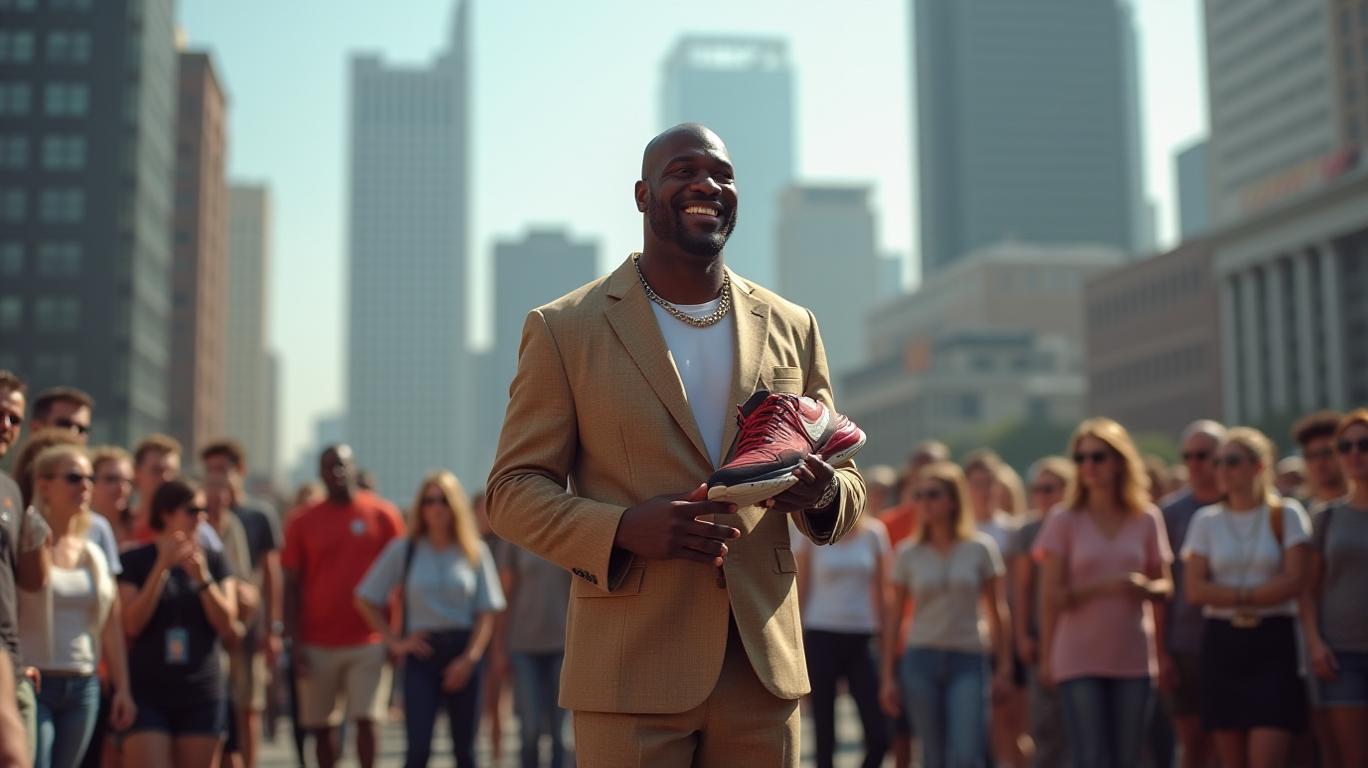
The Humble Beginnings
Back in his college days at LSU, Shaq was more than just a seven-foot phenom on the basketball court. He was also a marketing student, and boy, did he face some skepticism. His professor, in all seriousness, told him, "Big guys don't sell." Can you believe it? This was the moment that would fuel Shaq's determination to prove everyone wrong.
The Turning Point
Shaq's marketing class project was a prototype of the brand he'd eventually take global. He came up with Shaq hats, Shaq shoes, Shaq shirts—you name it. But his professor wasn't impressed. He gave Shaq an "F" and embarrassed him in front of the class. The professor's reasoning? "Big guys never sell." SHAQ, however, saw this as a challenge rather than a setback.
The Birth of a Brand
Fast forward to 1998, when Shaq was at the peak of his NBA career. He had a $40 million shoe deal with Reebok, but something didn't sit right. One day, after a game, a mother approached him, upset about the high price of his Reebok sneakers. She challenged him to make affordable shoes for kids. That moment was a game-changer.
Shaq cut ties with Reebok and started his own brand. He partnered with WalmartWMT-- to create shoes priced between $19 and $29. The rest, as they say, is history. By 2021, Shaq's brand had sold over 400 million pairs of shoes globally. That's right, folks—400 million pairs!
The Strategic Moves
1. Leaving Reebok: Shaq walked away from a $40 million deal because he believed in making affordable shoes for his fans. This decision aligned with his core values and set the stage for his brand's success.
2. Partnering with Walmart: By choosing Walmart, Shaq ensured his shoes were accessible to a broad audience. This move was a masterstroke, driving sales and building brand loyalty.
3. Designing Stylish, Affordable Shoes: Shaq's shoes looked premium despite their low cost. This strategy addressed a gap in the market, attracting customers seeking style without premium prices.
4. Trademarking and Brand Identity: Early in his career, Shaq trademarked his "Dunkman" logo. This proactive step ensured he owned the rights to his brand identity, reinforcing trust and loyalty.
5. Focus on Quality and Ethical Pricing: Shaq ensured his shoes were durable and priced fairly. This built a positive reputation, driving repeat purchases and word-of-mouth advocacy.
The Numbers Don't Lie
The Legacy
Shaq's brand has become a quiet empire. Millions of kids have laced up affordable Shaq sneakers. At an average price of just over $25 a pair, that's roughly $10 billion worth of shoes sold. Not bad for a guy who supposedly couldn't sell.
The Lesson
Shaq's journey is a testament to how early setbacks, when met with grit and creativity, can forge enduring brands. His story teaches us that resilience in the face of criticism, customer-centric innovation, and strategic ownership of intellectual property are key to entrepreneurial success.
Conclusion
So, the next time someone tells you that you can't do something because of who you are or where you come from, remember Shaq. Remember the professor who gave him an "F" and said, "Big guys don't sell." Remember the mother who challenged him to make affordable shoes. And remember the 400 million pairs of shoes that proved them all wrong.
This is more than just a story about shoes. It's a story about believing in yourself, taking risks, and turning criticism into motivation. It's a story about Shaq, and it's a story about all of us. So, let's get out there and make our own mark on the world. BOO-YAH!
Ladies and gentlemen, buckleBKE-- up! We're diving into the incredible story of NBA legend Shaquille O'Neal, who turned a college professor's dismissive "F" into a billion-dollar shoe empire. This is a tale of resilience, innovation, and proving the naysayers wrong. Let's get started!
The Humble Beginnings
Back in his college days at LSU, Shaq was more than just a seven-foot phenom on the basketball court. He was also a marketing student, and boy, did he face some skepticism. His professor, in all seriousness, told him, "Big guys don't sell." Can you believe it? This was the moment that would fuel Shaq's determination to prove everyone wrong.
The Turning Point
Shaq's marketing class project was a prototype of the brand he'd eventually take global. He came up with Shaq hats, Shaq shoes, Shaq shirts—you name it. But his professor wasn't impressed. He gave Shaq an "F" and embarrassed him in front of the class. The professor's reasoning? "Big guys never sell." SHAQ, however, saw this as a challenge rather than a setback.
The Birth of a Brand
Fast forward to 1998, when Shaq was at the peak of his NBA career. He had a $40 million shoe deal with Reebok, but something didn't sit right. One day, after a game, a mother approached him, upset about the high price of his Reebok sneakers. She challenged him to make affordable shoes for kids. That moment was a game-changer.
Shaq cut ties with Reebok and started his own brand. He partnered with WalmartWMT-- to create shoes priced between $19 and $29. The rest, as they say, is history. By 2021, Shaq's brand had sold over 400 million pairs of shoes globally. That's right, folks—400 million pairs!
The Strategic Moves
1. Leaving Reebok: Shaq walked away from a $40 million deal because he believed in making affordable shoes for his fans. This decision aligned with his core values and set the stage for his brand's success.
2. Partnering with Walmart: By choosing Walmart, Shaq ensured his shoes were accessible to a broad audience. This move was a masterstroke, driving sales and building brand loyalty.
3. Designing Stylish, Affordable Shoes: Shaq's shoes looked premium despite their low cost. This strategy addressed a gap in the market, attracting customers seeking style without premium prices.
4. Trademarking and Brand Identity: Early in his career, Shaq trademarked his "Dunkman" logo. This proactive step ensured he owned the rights to his brand identity, reinforcing trust and loyalty.
5. Focus on Quality and Ethical Pricing: Shaq ensured his shoes were durable and priced fairly. This built a positive reputation, driving repeat purchases and word-of-mouth advocacy.
The Numbers Don't Lie
The Legacy
Shaq's brand has become a quiet empire. Millions of kids have laced up affordable Shaq sneakers. At an average price of just over $25 a pair, that's roughly $10 billion worth of shoes sold. Not bad for a guy who supposedly couldn't sell.
The Lesson
Shaq's journey is a testament to how early setbacks, when met with grit and creativity, can forge enduring brands. His story teaches us that resilience in the face of criticism, customer-centric innovation, and strategic ownership of intellectual property are key to entrepreneurial success.
Conclusion
So, the next time someone tells you that you can't do something because of who you are or where you come from, remember Shaq. Remember the professor who gave him an "F" and said, "Big guys don't sell." Remember the mother who challenged him to make affordable shoes. And remember the 400 million pairs of shoes that proved them all wrong.
This is more than just a story about shoes. It's a story about believing in yourself, taking risks, and turning criticism into motivation. It's a story about Shaq, and it's a story about all of us. So, let's get out there and make our own mark on the world. BOO-YAH!



Divulgación editorial y transparencia de la IA: Ainvest News utiliza tecnología avanzada de Modelos de Lenguaje Largo (LLM) para sintetizar y analizar datos de mercado en tiempo real. Para garantizar los más altos estándares de integridad, cada artículo se somete a un riguroso proceso de verificación con participación humana.
Mientras la IA asiste en el procesamiento de datos y la redacción inicial, un miembro editorial profesional de Ainvest revisa, verifica y aprueba de forma independiente todo el contenido para garantizar su precisión y cumplimiento con los estándares editoriales de Ainvest Fintech Inc. Esta supervisión humana está diseñada para mitigar las alucinaciones de la IA y garantizar el contexto financiero.
Advertencia sobre inversiones: Este contenido se proporciona únicamente con fines informativos y no constituye asesoramiento profesional de inversión, legal o financiero. Los mercados conllevan riesgos inherentes. Se recomienda a los usuarios que realicen una investigación independiente o consulten a un asesor financiero certificado antes de tomar cualquier decisión. Ainvest Fintech Inc. se exime de toda responsabilidad por las acciones tomadas con base en esta información. ¿Encontró un error? Reportar un problema


SOBRE NOSOTROS
Nuestra historiaAutores de noticiasBase de conocimientosPolítica de privacidadTérmino de usoDescargo de responsabilidad de corretaje de tercerosTérminos de uso de AIMEDivulgaciones de riesgos de AInvest AICarrerasCONTÁCTENOS
Email: support@ainvest.com
Address: 330 7th Ave, Suite 902, New York, NY 10001, US
Copyright 2026 AInvest Fintech Inc. All rights reserved.


Comentarios
Aún no hay comentarios