
Shanghai's Bold Move: Unleashing Foreign Investment in Healthcare
Generado por agente de IAWesley Park
jueves, 9 de enero de 2025, 2:23 am ET2 min de lectura
HCSG--
Shanghai, the pulsating heart of China's economic prowess, has taken a significant stride towards opening up its healthcare sector. The city has announced a pilot program allowing the establishment of wholly foreign-owned hospitals in key economic zones, biopharmaceutical industry clusters, and downtown districts with a high concentration of expatriate residents. This move is set to deepen the opening-up of the healthcare sector, enhance the diversity of healthcare services, and improve the city's business environment.

The initiative permits a maximum of two foreign-owned hospitals in each of these areas, with key economic zones including the free trade zone, the Lingang Special Area, the Hongqiao business district, and the eastern hub international business cooperation zone. This strategic approach aims to attract advanced hospital management concepts, models, and service standards, as well as cutting-edge medical technologies and equipment from international players.
Foreign investors must demonstrate their ability to complement or enhance local healthcare service capabilities and expand the diversity of healthcare offerings. Approved hospital categories include general hospitals, specialized hospitals, and rehabilitation hospitals, all of which will be designated as tertiary medical institutions. However, foreign investors are prohibited from establishing hospitals dedicated to psychiatric diseases, infectious diseases, hematology, traditional Chinese medicine, integrated TCM and Western medicine, or those specializing in minority ethnic medical practices.
Moreover, wholly foreign-invested hospitals are barred from engaging in high-risk medical and ethical activities, such as organ transplantation, assisted reproductive technologies, prenatal screening and diagnosis, inpatient psychiatric treatment, and experimental treatments using tumor cell therapy. This ensures the safety and well-being of patients while maintaining the integrity of the healthcare system.
The initiative allows these hospitals to hire expatriate physicians and healthcare professionals from Hong Kong, Macao, and Taiwan. However, at least half of the hospital's management and healthcare professionals must come from the Chinese mainland. This requirement aims to foster knowledge exchange and skill development between local and international healthcare professionals.
Industry insiders regard this move as a significant step towards broadening Shanghai's healthcare landscape, fostering medical innovation, and promoting a dual medical system where public hospitals ensure basic services, while foreign-owned hospitals provide high-end care for both local and expatriate residents seeking personalized, high-standard treatment plans.
John K. Hsiang, chairman of the Jiahui Health executive committee, expressed his hopes for the government to allow short-term work permits for nurses and technicians from overseas and streamline the review process for expat doctors to receive professional title recognition. These measures would further facilitate the integration of international healthcare professionals into the Shanghai healthcare market.
Last month, Parkway Shanghai, the Chinese mainland operating entity of IHH Healthcare, held a ceremony marking its 20th anniversary in the Chinese market. Prem Kumar Nair, group CEO of IHH Healthcare, one of the world's largest private healthcare networks, said they had witnessed the remarkable vitality and potential of the market. The company is confident that Parkway Shanghai will experience even greater opportunities for growth as the local government continues to open up with new policies on foreign investment in the healthcare sector.
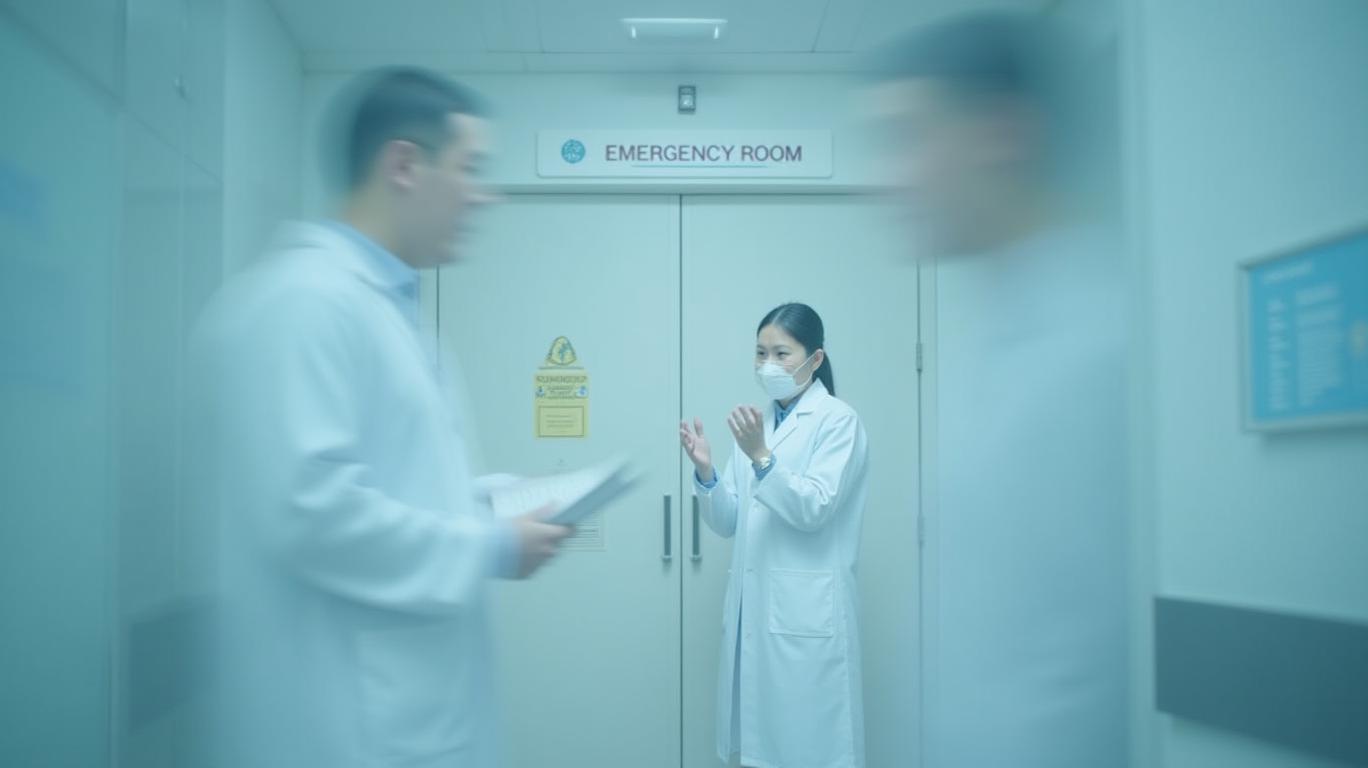
In conclusion, Shanghai's bold move to allow the establishment of wholly foreign-owned hospitals is a testament to the city's commitment to deepening the opening-up of the healthcare sector. This initiative is expected to attract foreign investment, promote high-quality development in the country's medical services, and better meet the public's diverse healthcare needs. As the city continues to embrace innovation and international collaboration, the healthcare sector is poised for significant growth and improvement.
IHS--
WST--
Shanghai, the pulsating heart of China's economic prowess, has taken a significant stride towards opening up its healthcare sector. The city has announced a pilot program allowing the establishment of wholly foreign-owned hospitals in key economic zones, biopharmaceutical industry clusters, and downtown districts with a high concentration of expatriate residents. This move is set to deepen the opening-up of the healthcare sector, enhance the diversity of healthcare services, and improve the city's business environment.
The initiative permits a maximum of two foreign-owned hospitals in each of these areas, with key economic zones including the free trade zone, the Lingang Special Area, the Hongqiao business district, and the eastern hub international business cooperation zone. This strategic approach aims to attract advanced hospital management concepts, models, and service standards, as well as cutting-edge medical technologies and equipment from international players.
Foreign investors must demonstrate their ability to complement or enhance local healthcare service capabilities and expand the diversity of healthcare offerings. Approved hospital categories include general hospitals, specialized hospitals, and rehabilitation hospitals, all of which will be designated as tertiary medical institutions. However, foreign investors are prohibited from establishing hospitals dedicated to psychiatric diseases, infectious diseases, hematology, traditional Chinese medicine, integrated TCM and Western medicine, or those specializing in minority ethnic medical practices.
Moreover, wholly foreign-invested hospitals are barred from engaging in high-risk medical and ethical activities, such as organ transplantation, assisted reproductive technologies, prenatal screening and diagnosis, inpatient psychiatric treatment, and experimental treatments using tumor cell therapy. This ensures the safety and well-being of patients while maintaining the integrity of the healthcare system.
The initiative allows these hospitals to hire expatriate physicians and healthcare professionals from Hong Kong, Macao, and Taiwan. However, at least half of the hospital's management and healthcare professionals must come from the Chinese mainland. This requirement aims to foster knowledge exchange and skill development between local and international healthcare professionals.
Industry insiders regard this move as a significant step towards broadening Shanghai's healthcare landscape, fostering medical innovation, and promoting a dual medical system where public hospitals ensure basic services, while foreign-owned hospitals provide high-end care for both local and expatriate residents seeking personalized, high-standard treatment plans.
John K. Hsiang, chairman of the Jiahui Health executive committee, expressed his hopes for the government to allow short-term work permits for nurses and technicians from overseas and streamline the review process for expat doctors to receive professional title recognition. These measures would further facilitate the integration of international healthcare professionals into the Shanghai healthcare market.
Last month, Parkway Shanghai, the Chinese mainland operating entity of IHH Healthcare, held a ceremony marking its 20th anniversary in the Chinese market. Prem Kumar Nair, group CEO of IHH Healthcare, one of the world's largest private healthcare networks, said they had witnessed the remarkable vitality and potential of the market. The company is confident that Parkway Shanghai will experience even greater opportunities for growth as the local government continues to open up with new policies on foreign investment in the healthcare sector.
In conclusion, Shanghai's bold move to allow the establishment of wholly foreign-owned hospitals is a testament to the city's commitment to deepening the opening-up of the healthcare sector. This initiative is expected to attract foreign investment, promote high-quality development in the country's medical services, and better meet the public's diverse healthcare needs. As the city continues to embrace innovation and international collaboration, the healthcare sector is poised for significant growth and improvement.

Divulgación editorial y transparencia de la IA: Ainvest News utiliza tecnología avanzada de Modelos de Lenguaje Largo (LLM) para sintetizar y analizar datos de mercado en tiempo real. Para garantizar los más altos estándares de integridad, cada artículo se somete a un riguroso proceso de verificación con participación humana.
Mientras la IA asiste en el procesamiento de datos y la redacción inicial, un miembro editorial profesional de Ainvest revisa, verifica y aprueba de forma independiente todo el contenido para garantizar su precisión y cumplimiento con los estándares editoriales de Ainvest Fintech Inc. Esta supervisión humana está diseñada para mitigar las alucinaciones de la IA y garantizar el contexto financiero.
Advertencia sobre inversiones: Este contenido se proporciona únicamente con fines informativos y no constituye asesoramiento profesional de inversión, legal o financiero. Los mercados conllevan riesgos inherentes. Se recomienda a los usuarios que realicen una investigación independiente o consulten a un asesor financiero certificado antes de tomar cualquier decisión. Ainvest Fintech Inc. se exime de toda responsabilidad por las acciones tomadas con base en esta información. ¿Encontró un error? Reportar un problema


SOBRE NOSOTROS
Nuestra historiaAutores de noticiasBase de conocimientosPolítica de privacidadTérmino de usoDescargo de responsabilidad de corretaje de tercerosTérminos de uso de AIMEDivulgaciones de riesgos de AInvest AICarrerasCONTÁCTENOS
Email: support@ainvest.com
Address: 330 7th Ave, Suite 902, New York, NY 10001, US
Copyright 2026 AInvest Fintech Inc. All rights reserved.


Comentarios
Aún no hay comentarios