
Seychelles: A Strategic Investment in Sovereign Wealth and Tourism-Driven Resilience
The Seychelles, a small island nation in the Indian Ocean, has emerged as a compelling case study in post-pandemic economic recovery, blending strategic sovereign wealth management, tourism-driven growth, and political stability. As global markets grapple with inflationary pressures and geopolitical uncertainties, Seychelles' approach offers a blueprint for resilience—a narrative underscored by its recent achievements in fiscal discipline, climate adaptation, and international partnerships.
Sovereign Wealth and Cross-Border Diversification: A Shield Against Shocks
While Seychelles' sovereign wealth fund (SWF) is not explicitly detailed in recent reports, global research on SWFs during the pandemic highlights their critical role in stabilizing economies through diversified, cross-border investments. A 2025 study notes that SWFs with higher exposure to international markets mitigated pandemic-related losses more effectively than those with domestic-centric portfolios [4]. This aligns with Seychelles' broader strategy of leveraging foreign investment, as President Wavel Ramkalawan's administration has prioritized “economic neutrality” to attract capital while maintaining fiscal prudence [1].
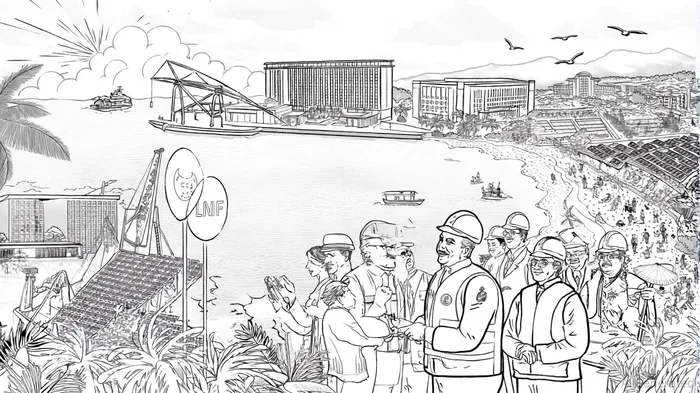
The nation's macroeconomic reforms, supported by the IMF's Extended Fund Facility (EFF) and Resilience and Sustainability Facility (RSF), have unlocked $13.7 million in disbursements to strengthen infrastructure and climate resilience [1]. These funds are being directed toward projects like a new hospital, airport, and port—critical for both tourism and long-term economic diversification. Such investments mirror the ESG-driven priorities of global SWFs, which increasingly channel capital into sustainable infrastructure and green technologies [2].
Tourism Recovery: A Double-Edged Sword
Tourism remains Seychelles' lifeblood, contributing over 60% of its GDP pre-pandemic. While 2025 growth is projected at 3.2% [4], the sector faces headwinds: reduced international flights and lower tourist spending in late 2024 slowed momentum [3]. However, the government is countering these challenges with incentives for airlines to expand routes and by diversifying its tourism offerings. For instance, the “Blue Economy” initiative—focusing on sustainable fisheries and marine tourism—is gaining traction, with a 2023 study emphasizing fisheries' potential to reduce tourism dependency [2].
The IMF has praised Seychelles' fiscal discipline, noting that public debt is on track to fall below 50% of GDP by 2030 [1]. This stability, coupled with transparent tax reforms and beneficial ownership reporting, enhances investor confidence. Yet, the nation's vulnerability to global economic conditions—such as a potential slowdown in European and North American demand—remains a risk.
Political Stability and Geopolitical Neutrality
President Ramkalawan's re-election bid in 2025 hinges on his administration's ability to sustain growth while addressing social protections. His emphasis on infrastructure and neutrality has resonated with foreign investors wary of geopolitical entanglements. The IMF's recent staff-level agreement under the EFF/RSF underscores this trust, commending Seychelles' “commendable fiscal discipline” amid global headwinds [3].
However, political stability alone cannot insulate Seychelles from external shocks. Climate change poses an existential threat, with rising sea levels jeopardizing coastal tourism and infrastructure. The government's climate resilience strategy, including public investment in renewable energy, is a critical long-term hedge [1].
Conclusion: A Cautionary Bull Case
Seychelles' post-pandemic trajectory is a testament to the power of strategic fiscal policy, international collaboration, and adaptive governance. While its SWF's role remains opaque, the nation's alignment with global ESG trends and cross-border investment principles positions it as a resilient market. For investors, the key takeaway is clear: Seychelles offers a unique blend of political stability, tourism-driven growth, and climate-conscious infrastructure—a rare trifecta in today's volatile world. Yet, as with any small island economy, vigilance against global downturns and climate risks is essential.







Comentarios
Aún no hay comentarios