
"A Setback for Bitcoin": South Dakota Bitcoin Reserve Bill Fails to Advance
Generado por agente de IAHarrison Brooks
martes, 25 de febrero de 2025, 6:52 pm ET1 min de lectura
BTC--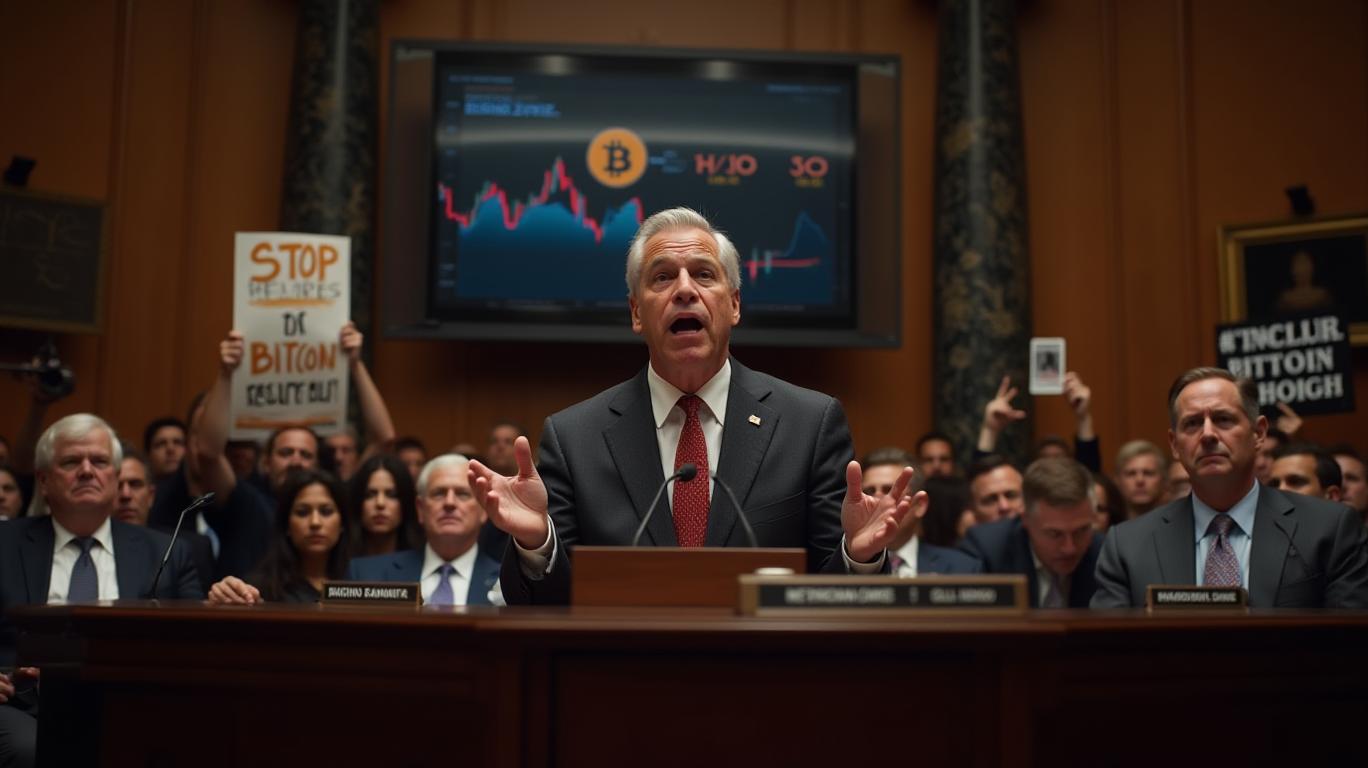
A setback for Bitcoin enthusiasts and investors alike, the South Dakota House Commerce and Energy Committee recently deferred a bill that would have allowed the state to invest in Bitcoin. House Bill 1202, introduced by Representative Logan Manhart, aimed to establish a Bitcoin reserve by permitting the state to invest up to 10% of its portfolio in the cryptocurrency. However, lawmakers voted to push the bill beyond the 40-day session, effectively ending its chances for this year.
The deferral of HB 1202 reflects concerns about regulatory uncertainties, market volatility, and the risks associated with using public funds for cryptocurrency investments. Opponents of the bill argued that investing in a highly fluctuating asset could expose public funds to financial risk. The unpredictability of Bitcoin prices made some lawmakers hesitant to approve the allocation of taxpayer money toward a digital asset. Moreover, crypto regulation uncertainty at both the state and federal levels also played a role in the bill's stagnation.
The deferral follows similar rejections in other states, such as North Dakota and Montana, where Bitcoin reserve proposals also failed to gain approval. Although HB 1202 failed to pass, discussions around state-held Bitcoin reserves are expected to continue. Some states, including Florida, Missouri, and Arizona, have introduced similar proposals, keeping the debate on cryptocurrency investments active.
Despite the concerns raised by lawmakers, Bitcoin Strategy continues to gain traction with institutional adoption. Michael Saylor's firm, now rebranded as Strategy, has nearly 500,000 BTC after its latest $2 billion purchase. This suggests that, even in the face of regulatory challenges, some investors remain bullish on the long-term potential of cryptocurrencies.
The failure of the South Dakota Bitcoin reserve bill serves as a reminder of the ongoing debate surrounding cryptocurrency investments and regulation. As lawmakers and investors continue to grapple with the potential benefits and risks of integrating digital assets into public investment strategies, the conversation around cryptocurrencies remains active and relevant.
A setback for Bitcoin enthusiasts and investors alike, the South Dakota House Commerce and Energy Committee recently deferred a bill that would have allowed the state to invest in Bitcoin. House Bill 1202, introduced by Representative Logan Manhart, aimed to establish a Bitcoin reserve by permitting the state to invest up to 10% of its portfolio in the cryptocurrency. However, lawmakers voted to push the bill beyond the 40-day session, effectively ending its chances for this year.
The deferral of HB 1202 reflects concerns about regulatory uncertainties, market volatility, and the risks associated with using public funds for cryptocurrency investments. Opponents of the bill argued that investing in a highly fluctuating asset could expose public funds to financial risk. The unpredictability of Bitcoin prices made some lawmakers hesitant to approve the allocation of taxpayer money toward a digital asset. Moreover, crypto regulation uncertainty at both the state and federal levels also played a role in the bill's stagnation.
The deferral follows similar rejections in other states, such as North Dakota and Montana, where Bitcoin reserve proposals also failed to gain approval. Although HB 1202 failed to pass, discussions around state-held Bitcoin reserves are expected to continue. Some states, including Florida, Missouri, and Arizona, have introduced similar proposals, keeping the debate on cryptocurrency investments active.
Despite the concerns raised by lawmakers, Bitcoin Strategy continues to gain traction with institutional adoption. Michael Saylor's firm, now rebranded as Strategy, has nearly 500,000 BTC after its latest $2 billion purchase. This suggests that, even in the face of regulatory challenges, some investors remain bullish on the long-term potential of cryptocurrencies.
The failure of the South Dakota Bitcoin reserve bill serves as a reminder of the ongoing debate surrounding cryptocurrency investments and regulation. As lawmakers and investors continue to grapple with the potential benefits and risks of integrating digital assets into public investment strategies, the conversation around cryptocurrencies remains active and relevant.


Divulgación editorial y transparencia de la IA: Ainvest News utiliza tecnología avanzada de Modelos de Lenguaje Largo (LLM) para sintetizar y analizar datos de mercado en tiempo real. Para garantizar los más altos estándares de integridad, cada artículo se somete a un riguroso proceso de verificación con participación humana.
Mientras la IA asiste en el procesamiento de datos y la redacción inicial, un miembro editorial profesional de Ainvest revisa, verifica y aprueba de forma independiente todo el contenido para garantizar su precisión y cumplimiento con los estándares editoriales de Ainvest Fintech Inc. Esta supervisión humana está diseñada para mitigar las alucinaciones de la IA y garantizar el contexto financiero.
Advertencia sobre inversiones: Este contenido se proporciona únicamente con fines informativos y no constituye asesoramiento profesional de inversión, legal o financiero. Los mercados conllevan riesgos inherentes. Se recomienda a los usuarios que realicen una investigación independiente o consulten a un asesor financiero certificado antes de tomar cualquier decisión. Ainvest Fintech Inc. se exime de toda responsabilidad por las acciones tomadas con base en esta información. ¿Encontró un error? Reportar un problema


SOBRE NOSOTROS
Nuestra historiaAutores de noticiasBase de conocimientosPolítica de privacidadTérmino de usoDescargo de responsabilidad de corretaje de tercerosTérminos de uso de AIMEDivulgaciones de riesgos de AInvest AICarrerasCONTÁCTENOS
Email: support@ainvest.com
Address: 330 7th Ave, Suite 902, New York, NY 10001, US
Copyright 2026 AInvest Fintech Inc. All rights reserved.


Comentarios
Aún no hay comentarios