
How U.S. September Core PPI Data Shapes Crypto and Dollar Volatility: A Macro-Driven Analysis
Macroeconomic Interlinkages: PPI as a Policy and Market Catalyst
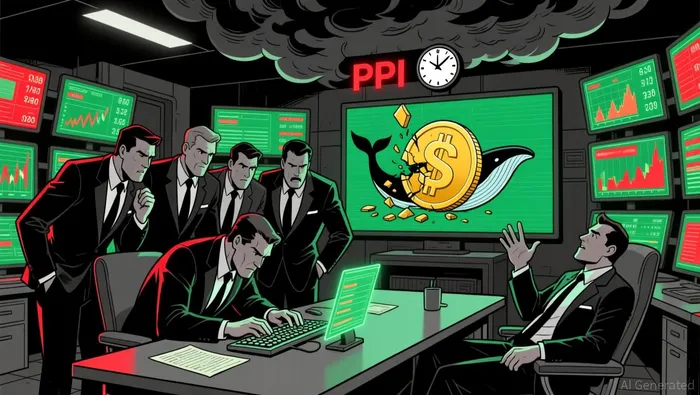
The Core PPI, which excludes volatile food and energy components, is a leading indicator for the Consumer Price Index (CPI) and a key input for Federal Reserve policy decisions. A 0.3% MoM increase in September, reversing August's -0.1% decline, suggests that inflationary pressures in the producer sector remain resilient. Historically, such data has triggered immediate reactions in financial markets. For instance, ahead of the November 25 PPI release, Bitcoin's liquidity showed fragility, with heavy sell-side supply concentrated between $80,000 and $90,000 and whale activity reduced bid support. This behavior underscores how PPI surprises-whether positive or negative-act as catalysts for short-term volatility in crypto markets.
When PPI readings exceed expectations, Treasury yields often rise, compressing risk-on assets like BitcoinBTC--. Conversely, lower-than-anticipated PPI data can thin order-book resistance, temporarily easing upward pressure on crypto prices. The September 2025 data, while steady, avoids extreme surprises, creating a mixed environment where investors balance inflation concerns with expectations of accommodative monetary policy.
 The U.S. dollar, meanwhile, exhibits inverse correlations with crypto markets but is directly influenced by PPI-driven yield expectations. A higher PPI may strengthen the dollar as investors anticipate tighter monetary policy, while softer readings could weaken it, favoring risk assets. This duality highlights the need for investors to monitor PPI alongside other indicators like core PCE and employment data to gauge the Fed's policy trajectory.
Tactical Portfolio Positioning: Diversification and Risk Mitigation
In a stable macroeconomic climate-marked by metrics like the U.S. core PCE price index at 2.9% YoY-cryptocurrencies have historically thrived. Such stability alleviates fears of aggressive monetary tightening, creating a fertile environment for digital assets to attract institutional capital according to OneSafe. However, this does not negate the need for caution. Institutional investors are increasingly adopting diversified strategies, blending crypto exposure with private equity, real estate, and other alternatives to hedge against shifting correlations between traditional asset classes as reported by Yahoo Finance.
For example, the traditional 60/40 stock-bond portfolio model is being reevaluated due to low bond yields and high volatility. Investors are instead prioritizing personalized, risk-adjusted allocations that reflect modern financial trends. In a stable inflationary backdrop, expanding exposure to a broader range of cryptocurrencies and blockchain projects can enhance portfolio resilience. This approach aligns with the current macroeconomic climate, where accommodative central bank policies reduce the risk of abrupt liquidity crunches.
Tactical positioning also requires vigilance in monitoring emerging data. The September Core PPI's slight moderation (from 2.8% to 2.7% YoY) suggests that while inflation remains a concern, it is not accelerating rapidly. This provides a window for investors to incrementally build positions in crypto and other high-growth assets, while maintaining hedges against potential policy shifts.
Conclusion: Navigating the Interplay of Data and Strategy
The U.S. Core PPI data for September 2025 underscores the delicate balance between inflation persistence and moderation. Its influence on crypto and dollar volatility is mediated through macroeconomic expectations and central bank responses. For investors, the key lies in leveraging this data to refine portfolio strategies-diversifying across asset classes, maintaining liquidity buffers, and staying attuned to evolving policy signals. As markets continue to adapt to a post-pandemic economic landscape, a macro-driven, tactical approach will remain essential for capturing growth while managing risk.






Comentarios
Aún no hay comentarios