
Senate Hearing Signals Shift in US Digital Asset Regulation
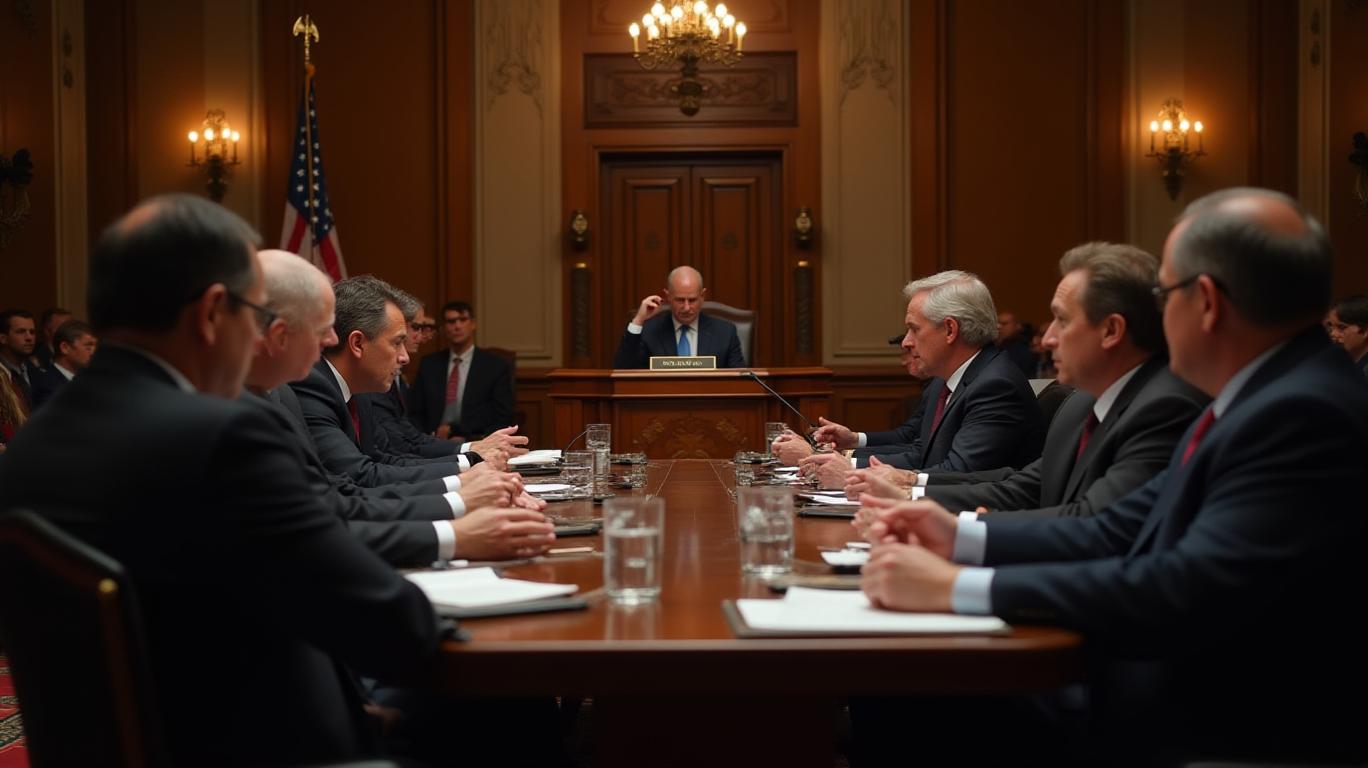
On March 27, 2025, the U.S. Senate Banking Committee held a pivotal hearing to review the nominations of Paul Atkins for Chairman of the Securities and Exchange Commission (SEC), Jonathan Gould for Comptroller of the Currency, and Luke Pettit for Assistant Secretary of the Treasury for Financial InstitutionsFISI--. These nominations, put forth by President Trump’s second-term administration, signal a significant shift in the regulatory approach to digital assets, capital markets oversight, and banking policy.
Paul Atkins, a former SEC Commissioner, emphasized the need for a "rational, coherentCOHR--, and principled approach" to digital asset regulation. He criticized the previous administration's reliance on regulation by enforcement, arguing that it stifled innovation and harmed investors. Atkins' approach focuses on clear rules and common sense, aiming to reset priorities and return to a more balanced regulatory framework.
Senator TimTIMB-- Scott, Chairman of the Senate Banking Committee, expressed strong support for Atkins, highlighting his track record in boosting capital formation and employment. Scott also noted Atkins' recognition of the growing demand for regulatory clarity in the digital asset space, an issue affecting millions of Americans. Senator Kirsten Gillibrand echoed this sentiment, emphasizing the need for comprehensive legislation on stablecoins and crypto market structureGPCR--.
Jonathan Gould, nominee for Comptroller of the Currency, vowed to depoliticize the banking system and embrace innovation. His experience in drafting the Economic Growth, Regulatory Relief, and Consumer Protection Act of 2018 positions him well to support responsible engagement with digital assets and modernize banking tools for a digital economy.
Luke Pettit, nominee for Assistant Secretary of the Treasury for Financial Institutions, brought a human-centered view to financial regulation. He pledged to uphold a financial sector that fosters economic growth, freedom, and opportunity for all Americans. His background in the Senate and the Federal Reserve suggests a balanced approach to market innovation and systemic safety.
These nominations represent a policy pivot from the previous administration's cautious and adversarial stance on crypto to a more industry and innovation-first approach. This shift could pave the way for long-awaited legislation on stablecoins and market structure, driven by legislative pressure, bipartisan frustration, and increasing public demand for digital assets.
However, the real test lies in whether Congress will pass meaningful legislation and whether regulatory agencies will translate pro-innovation rhetoric into concrete, consistent rules. The Senate's actions in the coming months will be crucial in determining the future of digital asset regulation in the United States.







Comentarios
Aún no hay comentarios