
U.S. Senate Debates Crypto Regulation Amidst Security Concerns and Political Ties
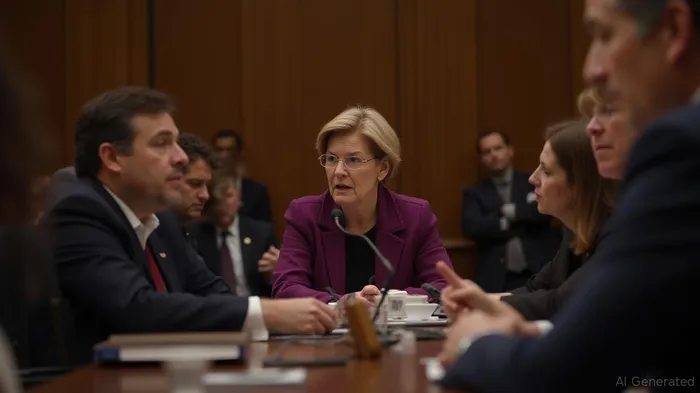
The U.S. Senate Banking Committee convened a significant session titled “From Wall Street to Web3: Building Tomorrow’s Digital Asset Markets,” bringing together bipartisan lawmakers and six crypto asset specialists. The session focused on the regulation of the crypto market, its potential involvement in illicit transactions, and the ethical dilemmas surrounding it. The discussions featured insights from industry leaders and experts, emphasizing the urgent need for clear regulatory frameworks.
The debate over crypto’s role in illegal finance was a central topic. Committee Chair Tim Scott asserted that cash is more commonly used for criminal activities than crypto. In contrast, Elizabeth Warren warned that as the crypto market expands, so too might illegal activities, highlighting concerns over North Korean hacking as a significant security threat to the U.S. Chainalysis CEO Jonathan Levin provided a factual perspective, stating that less than 1% of blockchain transactions are illegal, which is lower than in traditional finance. Levin also noted that blockchain transparency aids in identifying unlawful activities, although its use in financing terrorism is lower than anticipated.
Concerns over potential conflicts of interest involving Trump and his family’s crypto dealings were also raised. Elizabeth Warren alleged a $7 billion involvement of Trump’s assets in cryptocurrencies. Raphael Warnock spurred an ethical discussion about a meme coin associated with Trump. These topics examined the confluence of politics and crypto holdings. Senator Chris Van Hollen highlighted Eric Trump’s previous negotiations for a stablecoin initiative in the UAE before an official visit, suggesting potential legislative benefits. Former White House ethics advisor Richard Painter emphasized the need for uncompromised crypto legislation without vested interests.
Harvard’s Timothy Massad advocated for cooperative regulation of crypto assets by the SEC and CFTC, cautioning against Congress undertaking direct regulatory roles. Summer Mersinger, CEO of the Blockchain Association, pushed for a CFTC-led principles-based regulatory framework. The session underscored the complexity of navigating crypto regulation and its implications on national security and economic progress. Bipartisan legislative initiatives aim to enable crypto sector growth while safeguarding consumers and maintaining U.S. leadership in the global digital asset arena.
On July 9, the U.S. Senate Banking Committee convened a pivotal session to deliberate on the regulatory framework for the cryptocurrency market. The session was marked by intense debates among senators, reflecting the growing significance of digital assets in the global financial landscape. The discussions centered around the need for a balanced regulatory approach that fosters innovation while ensuring consumer protection and market stability.
Senators from both sides of the aisle presented their views on the proposed regulations. Some advocated for a "light touch" regulatory approach, arguing that over-regulation could stifle the growth of the crypto industry. They emphasized the importance of creating an environment that encourages innovation and attracts investment. On the other hand, Democrats expressed concerns about the potential risks associated with cryptocurrencies, including market volatility, fraud, and money laundering. They called for stricter regulations to safeguard investors and maintain the integrity of the financial system.
The debate also touched on the role of stablecoins, a type of cryptocurrency designed to maintain a stable value. The Senate had previously passed a bipartisan bill to regulate stablecoins, but the House GOP is currently grappling with the implementation of this legislation. Senators highlighted the need for a comprehensive regulatory framework that addresses all aspects of the crypto market, including stablecoins, to ensure consistency and clarity.
The session also saw interventions from industry leaders, including the CEO of RippleXRP--, who urged lawmakers to prioritize passing market structure legislation for cryptocurrency. The CEO emphasized the importance of clear and predictable regulations to foster the growth of the crypto industry and attract investment. The CEO's remarks underscored the industry's eagerness for regulatory clarity and the potential benefits of a well-regulated crypto market.
The debate over crypto regulation comes at a time when the U.S. is vying to become the global leader in digital assets. The Senate's discussions reflect the broader geopolitical context, where countries are competing to establish themselves as hubs for crypto innovation and investment. The outcome of the Senate's deliberations will have significant implications for the future of the crypto industry, both domestically and internationally.
The session concluded with a call for further dialogue and collaboration among lawmakers, industry stakeholders, and regulators. Senators acknowledged the complexity of the issue and the need for a nuanced approach that balances innovation with regulation. The debate highlighted the importance of ongoing engagement and cooperation to develop a regulatory framework that supports the growth of the crypto industry while addressing its challenges.






Comentarios
Aún no hay comentarios