
Senate Crypto Market Structure Bill Pushed to Late January as Negotiations Continue
The Senate Committee on Agriculture, Nutrition, and Forestry has postponed a planned markup of sweeping crypto market structure legislation to the last week of January. Chairman John Boozman (R-AR) stated that bipartisan talks had made progress but needed more time to finalize key issues before the bill could advance according to Senate reports. The delay ensures broader support for the bill, which aims to clarify regulatory oversight and market structure rules for digital assets as detailed in analysis.
Industry support for the bill remains contingent on how lawmakers address decentralized finance (DeFi) and stablecoins, particularly regarding yield-bearing models. These topics were debated among stakeholders during private meetings, with crypto policy advocates seeking to temper the demands of Wall Street trade groups according to industry sources.
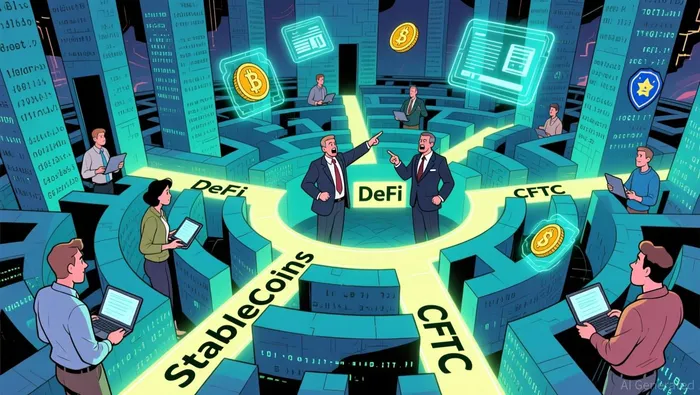
The original markup was scheduled for January 15, in alignment with the Banking Committee's planned action. However, the new schedule gives lawmakers more time to negotiate and refine the bill. Boozman expressed his commitment to advancing bipartisan legislation, emphasizing constructive discussions and meaningful progress as reported by financial news.
Why Did This Happen?
The delay was prompted by the complexity of the negotiations and the need for consensus on regulatory frameworks. Both the Senate Agriculture Committee and the Senate Banking Committee are involved in the process, reflecting the overlapping jurisdictions of the Commodity Futures Trading Commission (CFTC) and the Securities and Exchange Commission (SEC) according to legislative analysis.
Bipartisan talks have progressed, but several issues remain unresolved. These include the classification of digital assets, consumer protections, and anti-money laundering requirements for crypto businesses as reported by crypto news. The CLARITY Act, a key piece of the legislation, seeks to establish clear boundaries for regulatory oversight and define the roles of the CFTC and SEC according to legal analysis.
What Are Analysts Watching Next?
Analysts are closely monitoring how the final bill addresses DeFi and stablecoin yields. These elements have become focal points in discussions with industry stakeholders and lawmakers. The treatment of DeFi platforms and the ability of stablecoin issuers to provide returns to holders could significantly shape the bill's impact as reported by industry analysis.
The outcome of the late January markup will determine whether the bill moves forward in the Senate. If approved, it could lead to a broader legislative test of bipartisan backing and potentially impact the overall timeline for crypto regulation in the United States according to market analysis.
The delay has also raised questions about the bill's prospects for passage in 2026. Market observers note that the bill's complexity and political dynamics make it difficult to predict a final outcome as noted by financial observers. Some analysts believe the delay could provide opportunities for refinement, while others worry it may lead to further delays or even collapse of the bill according to market commentary.
What This Means for the Market
The delay creates uncertainty for the crypto market, particularly for firms that rely on stablecoin rewards and DeFi platforms. CoinbaseCOIN-- and other exchanges have signaled they may withdraw support if the bill imposes restrictive measures on these activities.
Banks, on the other hand, have pushed for stronger restrictions to protect traditional lending models. They argue that stablecoin yields could displace deposits from community banks and negatively impact small businesses and homebuyers. The debate highlights the tension between innovation and regulation in the crypto space.
The final version of the bill will have significant implications for how digital assets are classified and regulated in the United States. Market participants are watching closely for signals that could influence future investment decisions and regulatory strategies.





Comentarios
Aún no hay comentarios