
Senate Closes In on Deal to End Homeland Security Shutdown-Without Funding ICE Operations
Lawmakers and the White House are nearing a deal to fund most of the Department of Homeland Security (DHS), excluding a portion of Immigration and Customs Enforcement (ICE) budget, to end the partial government shutdown. The agreement would include provisions to address Transportation Security Administration (TSA) delays caused by unpaid employees and align with broader Republican legislative priorities.
TSA workers are operating without pay due to the partial government shutdown that began in February 2026, while ICE agents continue to be paid through funding from the One Big Beautiful Bill Act. This act allocated $75 billion in funding for immigration enforcement through fiscal year 2029, making ICE operations 'shut-down proof'.
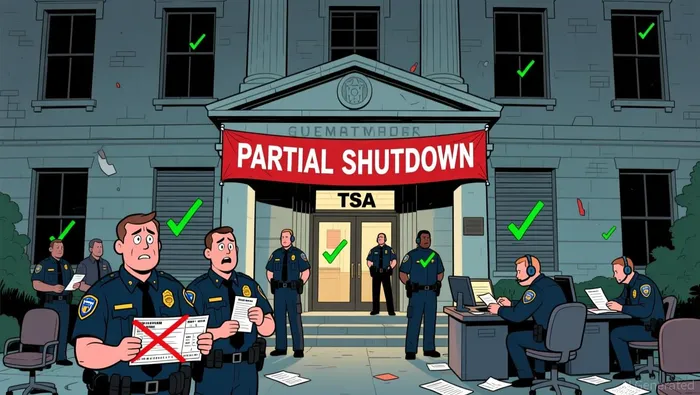
Over 3,450 TSA officers have called out and hundreds have quit entirely, leading to long lines at airports like Atlanta's Hartsfield-Jackson. This has caused significant disruptions in air travel and growing concerns about security gaps.
Why the Move Happened
Senate Republicans are considering a deal that would fund the majority of the Department of Homeland Security (DHS), including critical agencies such as TSA, FEMA, and the Coast Guard, while leaving out ICE's enforcement and deportation operations. The agreement aims to end the partial shutdown, which has led to long security lines at airports and unpaid furloughs for many DHS employees.
This strategy allows Republicans to later fund ICE operations through the budget reconciliation process, which enables them to bypass the 60-vote threshold in the Senate. The partial shutdown began in February after Democrats refused to fund the department without new restrictions on ICE operations following two deadly incidents involving federal agents in Minneapolis.
What Analysts Are Watching
The proposal under discussion would fund most of the Department of Homeland Security, including the Transportation Security Administration (TSA), but exclude funding for Immigration and Customs Enforcement (ICE) operations that have been central to the budget dispute. This approach aims to resolve the stalemate that has led to long lines at U.S. airports due to underfunded TSA staffing during the peak spring travel season.







Comentarios
Aún no hay comentarios