
Senate Agriculture Committee Delays Cryptocurrency Market Structure Bill Consideration Until Late January
The Senate Agriculture Committee has postponed its markup of the crypto market structure bill to late January, according to Chairman John Boozman. This delay was announced to allow more time for bipartisan negotiations to finalize unresolved issues. The original markup had been scheduled for January 15 in coordination with the Senate Banking Committee. Boozman said the committee would delay consideration to ensure the bill receives broad support.
The decision reflects ongoing discussions among stakeholders in the crypto and financial industries. The bill was introduced in 2023 by a bipartisan group of House lawmakers and passed the House in May 2024, but stalled in the Senate. Industry support remains conditional on how the bill addresses key issues like decentralized finance (DeFi) and yield-bearing stablecoins.
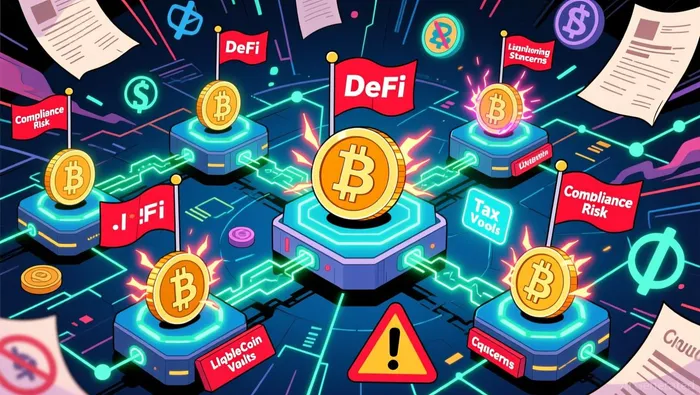
Sources indicate that the treatment of DeFi and yield-bearing stablecoins are among the most debated issues in the bill. The policy dispute centers on whether developers of DeFi systems should face the same regulatory obligations as financial intermediaries when they do not control user assets. This issue is seen as crucial for the broader adoption and regulation of digital assets according to analysis.
Why the Move Happened
The Senate Agriculture Committee's decision to reschedule the markup reflects the complex political landscape surrounding digital asset regulation as reported. Chairman Boozman emphasized the need for additional time to build consensus among committee members. This delay impacts the legislative timeline for comprehensive crypto regulation and may affect how the bill is received in the broader Senate.
The Senate Agriculture Committee includes members from both political parties with varying perspectives on digital asset regulation. Republican members tend to favor innovation-friendly approaches, while Democratic members prioritize consumer protections. The need to find common ground has extended negotiations.
How Markets Responded
Market participants have generally viewed the delay with cautious optimism. The additional time for negotiations allows lawmakers to incorporate feedback from various stakeholders, which could strengthen the final legislation. This approach is seen as positive for long-term regulatory clarity, even if it creates temporary uncertainty according to market analysis.
Industry representatives, including the Blockchain Association and the Securities Industry and Financial Markets Association (SIFMA), have been involved in these negotiations. SIFMA has pushed for narrower regulatory interpretations, while crypto advocates have sought to moderate these requests. The outcome of these discussions could significantly impact the final form of the bill as industry sources note.
What Analysts Are Watching
Regulatory experts suggest the postponement reflects substantive negotiations rather than procedural obstacles according to analysts. Former CFTC Commissioner Jill Sommers noted that legislative delays often indicate active engagement with complex issues. She emphasized that comprehensive cryptocurrency regulation requires careful consideration of multiple factors, including technological evolution and international regulatory developments.
Analysts are also monitoring how the bill will define digital asset classifications and outline the roles of the SEC and CFTC. These provisions are seen as key to ensuring regulatory clarity and investor protection. The success of the bill will depend on how well these issues are addressed in the final version according to regulatory experts.
Potential Implications for Crypto Firms and Investors
The treatment of stablecoins and DeFi in the bill will have significant implications for crypto firms and investors. For example, CoinbaseCOIN-- may reconsider its support for the bill if it imposes broader limits on stablecoin rewards. Stablecoin rewards are a crucial part of the business model for many crypto platforms, and any restrictions could impact their revenue streams.
The bill also seeks to address concerns raised by traditional financial institutions about the impact of stablecoin rewards on community lending. These concerns have led to calls for tighter restrictions on stablecoin platforms. The final version of the bill may include compromises that balance these competing interests as reported.
Looking Ahead
The rescheduled markup is expected to take place during the last week of January. This timeline allows for additional stakeholder feedback and technical refinements to the bill. The outcome of this markup will be a critical test of bipartisan support and could determine whether the bill moves forward to the Senate floor according to legislative analysis.
Market participants and industry stakeholders are watching closely for any developments in the coming weeks. A successful markup and eventual passage of the bill could establish a clear regulatory framework for digital assets in the United States. This would have wide-ranging implications for the crypto industry and investor confidence as noted by financial observers.





Comentarios
Aún no hay comentarios