
U.S. Senate Advances War Powers Resolution to Limit Trump's Military Actions in Venezuela
The U.S. Senate advanced a war powers resolution on Thursday to limit President Donald Trump's ability to take further military action in Venezuela. The resolution, which requires congressional approval for future military operations in the country, was supported by 52 senators in a procedural vote. It will now move toward a final vote before being sent to the House of Representatives.
Republican senators Rand Paul, Lisa Murkowski, Todd Young, Susan Collins, and Josh Hawley joined all Democrats in backing the measure. Democratic Senator Tim Kaine, the primary sponsor, argued that the president exceeded his constitutional authority by acting unilaterally in Venezuela without consulting Congress. The vote reflects growing concerns over Trump's foreign policy decisions and the lack of transparency in his military interventions.
Democrats have long criticized the administration for using the military to pursue foreign policy objectives without congressional oversight. The recent capture of Venezuelan President Nicolás Maduro and his wife by U.S. forces has heightened these concerns. Kaine emphasized that Congress must reassert its constitutional role in matters of war and peace, especially in light of the president's global ambitions according to a Senate press release.
Why the Move Happened
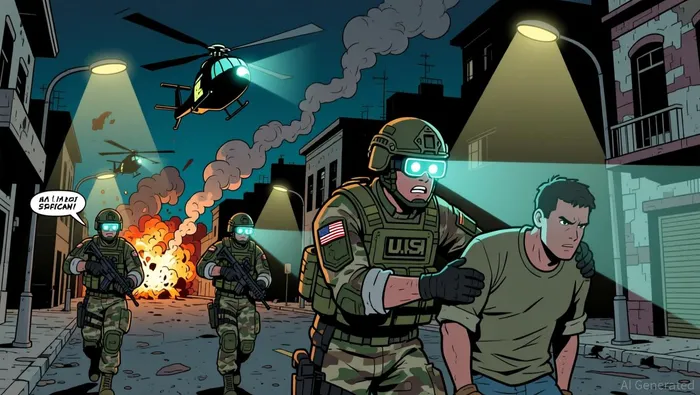
The war powers resolution is a direct response to the U.S. military's unilateral action in Venezuela, which involved the capture of Maduro and his wife. Critics argue that the operation crossed the line from law enforcement to military intervention. The president and his allies have defended the action as a legal and necessary step to address drug trafficking and regime instability in the region.
Republican leaders, including Senate Majority Leader John Thune, have generally supported Trump's approach in Venezuela. However, some moderate and isolationist Republicans have expressed concerns about the long-term implications of military involvement in the country. Collins and Murkowski have cited the need for congressional oversight to prevent a prolonged U.S. military presence in Venezuela.
How Markets Responded
The financial markets have shown limited immediate reaction to the resolution, with oil prices remaining relatively stable. Analysts from ANZ note that Venezuela's oil industry has been in decline for years due to mismanagement and underinvestment, so a rapid increase in supply is unlikely even if the U.S. takes control of the country's resources.
Investors are watching closely to see how the resolution might affect U.S. relations with other nations in the region and whether it will trigger further geopolitical tensions. The Cuban government has condemned the U.S. actions and announced a period of mourning for its military personnel killed in the operation.
What Analysts Are Watching
Analysts are closely monitoring the potential for further U.S. military actions in the region, including the possibility of a takeover of Greenland. Several senators have already signaled their intention to introduce additional war powers resolutions to prevent Trump from taking unilateral action in other countries.
The outcome of this resolution could set a precedent for how Congress handles presidential military actions in the future. If it passes both chambers and is signed by the president, it could serve as a legal barrier to further unilateral military interventions. However, Trump has indicated that he will veto the resolution if it reaches his desk.
The debate over the limits of presidential power in military matters is likely to continue as Congress weighs its response to Trump's foreign policy decisions. The resolution is seen as a symbolic gesture, but it highlights the growing tension between the executive and legislative branches over the use of military force.







Comentarios
Aún no hay comentarios