
Seizing the Soybean Opportunity: Contrarian Plays in a Tariff-Tossed Market
The global soybean market is currently caught in a perfect storm of geopolitical tariffs and weather-driven volatility. For contrarian investors, this chaos presents a rare entry point to capitalize on a potential rebound post-Memorial Day. Let's dissect the factors driving this opportunity and why now is the time to position for a soybean rally.
Tariff Truce ≠ Trade Calm: The EU-China Dilemma
The U.S. soybean sector faces dual headwinds from EU retaliatory tariffs (25% on imports) and China's fentanyl-linked tariffs (10-15% as of May 2025). While the U.S.-China tariff truce reduced retaliatory rates temporarily, the stacked 30% effective tariff (10% Chinese + 20% U.S. fentanyl levy) remains punitive. Meanwhile, the EU's $5.1M annual soybean imports from the U.S. are under siege by Brazilian and Ukrainian competition.
But here's the contrarian angle: these tariffs are temporary. The EU's 25% duty on U.S. soybeans, while painful, may force a compromise by July 2025—when U.S. tariffs on EU goods could escalate to 50%. A resolution would unleash pent-up demand. Similarly, China's reliance on U.S. soybeans for animal feed remains structural; its 2022/23 imports from Brazil may have tripled, but logistical constraints (e.g., Brazilian port bottlenecks) limit rapid substitution.
Weather: The Wild Card Fueling Supply Concerns
The U.S. Midwest's 2025 planting season is a critical variable. Current forecasts suggest below-average rainfall in key soy-producing states like Iowa and Illinois. A delayed planting or drought could slash yields, tightening global supplies. Even a modest drop in production would amplify price spikes.
Conversely, if the USDA reports strong planting progress and ideal growing conditions, the market may overreact downward—a contrarian buying signal. Remember, weather-driven volatility creates price dips that savvy investors exploit.
Export Demand: Brazil's Gains ≠ U.S. Losses
Despite Brazil's dominance, U.S. soybeans retain quality advantages (e.g., protein content) and logistical efficiency for buyers in Southeast Asia and the Middle East. The EU's pivot to Ukraine and South America is costly; Brazilian freight delays and EU GMO regulations create friction. U.S. exports to the EU could rebound post-tariff resolution, particularly if the EU's June 6 transition on Ukrainian quotas strains supply chains.
Meanwhile, China's 2024/25 soybean imports are projected at 100M metric tons, with U.S. beans still a cost-competitive option if tariffs ease.
Technical Levels: The Bottom is in Sight
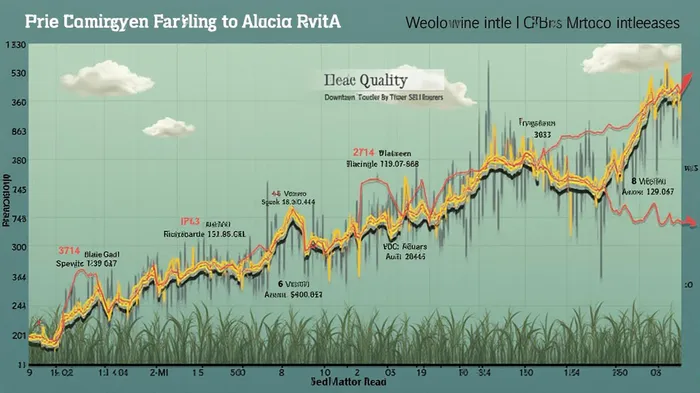
CBOT soybeans have tested $13.50/bushel support—a level that held during the 2020 trade war. A break above $14.25 would signal a bullish reversal. The Memorial Day holiday often sparks a seasonal rally in ag commodities; traders should watch June USDA reports (planting data, China's purchases) as catalysts for a move toward $15/bushel by Q3.
Speculative Positioning: The Setup for a Short Covering Rally
Current CFTC data shows speculators are net short soybeans, while commercials (producers and processors) remain net long. This divergence is a classic contrarian signal: a sharp rebound could force speculators to cover shorts, amplifying price gains.
The Call to Action
The soybean market is primed for a rebound, with tariffs and weather creating a buy-the-dip opportunity. Here's how to act:
1. Enter now at $13.50/bushel, targeting $15 by September.
2. Scale into positions on USDA report days (June 9, July 12).
3. Hedge with put options to protect against further downside.
This is no time for hesitation. The perfect storm of geopolitics and weather is about to clear—seize the moment.
Invest with conviction where others see chaos.







Comentarios
Aún no hay comentarios