
Securities Litigation and Governance Risks at Fluor Corporation: A Deep Dive into Shareholder Value Implications
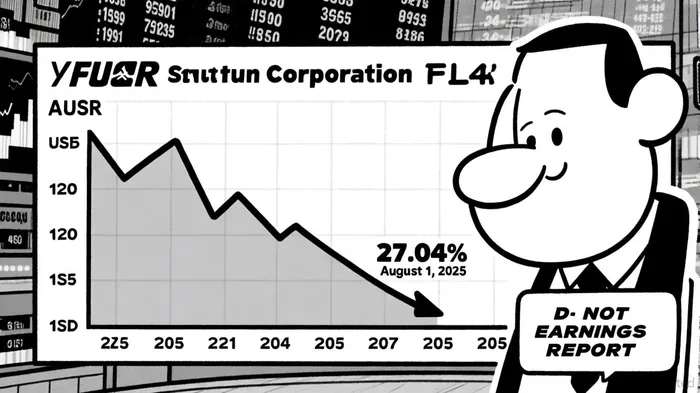
In late 2025, Fluor CorporationFLR-- (FLR) found itself at the center of a high-stakes securities class-action lawsuit, alleging that the engineering and construction giant misled investors about its financial health and project risks. The case, which spans a critical five-month period from February 18 to July 31, 2025, centers on undisclosed cost overruns, scheduling delays, and subcontractor errors in major infrastructure projects such as the Gordie Howe International Bridge and Texas highway expansions, as set out in the class-action filing. These revelations, coupled with a 27.04% single-day stock price plunge on August 1, 2025, have sparked urgent questions about Fluor's corporate governance and its ability to protect long-term shareholder value, per the company investigation notice.
Governance Structure and Historical Risks
Fluor's 2025 board of directors, expanded to 11 members with nine independent directors, emphasizes transparency and accountability in its governance policies according to its proxy statement. However, the lawsuit alleges systemic failures in oversight, particularly regarding risk disclosures for complex infrastructure projects. For instance, the board reportedly overlooked critical issues such as subcontractor design errors and price escalations in projects totaling hundreds of millions of dollars, as summarized in the RGRD Law summary. This raises concerns about whether Fluor's governance framework adequately addresses operational risks in its Urban Solutions and Energy Solutions segments, which rely heavily on third-party contractors and the company's public SEC filings.
Historically, engineering firms like FluorFLR-- face unique governance challenges due to the opaque nature of large-scale projects. A 2023 analysis identified that securities litigation in this sector often stems from delayed disclosures about cost overruns, with firms experiencing an average 12.3% stock price drop within 20 days of litigation filing, according to a Harvard Law study. Fluor's case appears to align with these patterns, as its August 1 earnings report-a $54 million negative impact from infrastructure projects-triggered immediate market skepticism, highlighted in a BFA Law announcement.
Litigation and Financial Fallout
The lawsuit, led by firms such as Pomerantz LLP and The Schall Law Firm, accuses Fluor and its executives of violating Securities Exchange Act Section 10(b) by overstating risk mitigation strategies and downplaying economic uncertainties, as discussed in an EdgarIndex analysis. Investors who purchased shares during the class period are now seeking compensation, with lead plaintiff motions due by November 14, 2025, per a Robbins LLP notice.
Financially, the litigation has compounded Fluor's woes. The August 1 stock collapse erased over $1.2 billion in market capitalization, according to Bloomberg data, while the company revised its FY 2025 guidance downward, citing reduced customer spending and project delays. These developments mirror broader industry trends: a recent Governance Institute report found that firms facing securities litigation see an average 15% decline in profitability over 12 months, driven by legal costs and reputational damage.
Long-Term Implications for Shareholders
The reputational toll of the lawsuit could linger beyond legal settlements. Even if Fluor avoids a derivatives crisis, the engineering sector's reliance on client trust means prolonged litigation could deter future contracts. A 2024 Journal of Finance study underscores that firms in capital-intensive industries face a 20% higher cost of debt post-litigation, as lenders perceive increased operational risk. For Fluor, this could translate to higher borrowing costs for its Energy Solutions projects, further straining margins.
Moreover, the board's recent governance changes-such as appointing independent lead director Charles P. Blankenship-may not fully restore investor confidence. While Fluor's Proxy Statement highlights robust director independence, the lawsuit suggests gaps in executive accountability. As noted by legal analysts and public filings, boards in similar cases often face calls for structural reforms, including enhanced audit committee oversight and stricter disclosure protocols, a trend reflected in the Pomerantz press release.





Comentarios
Aún no hay comentarios