
SEC Unveils Crypto Custody Rules, Mandating Key Security and Operational Standards
The U.S. Securities and Exchange Commission has outlined new guidance clarifying how broker-dealers can legally custody crypto asset securities under existing customer protection rules. The statement, issued by the staff of the Division of Trading and Markets, provides detailed expectations for physical possession and control of digital assets, particularly emphasizing the need for robust private key security and operational resilience. The move aims to adapt traditional securities safeguards to the unique characteristics of blockchain-based assets while reinforcing investor protection standards.
The guidance, released on December 17, addresses the application of Rule 15c3-3 under the Securities Exchange Act of 1934, which requires brokers to maintain physical possession or control of customer assets. It specifies that a broker-dealer can deem itself to have possession of a crypto asset security if it maintains direct access to the asset and the capability to transfer it on the relevant blockchain. This includes documented assessments of the distributed ledger technology's governance and operational reliability before and during custody.
Broker-dealers must also implement policies to protect private keys from theft, loss, or unauthorized access. The SEC emphasized that custodians should have contingency plans for disruptions like blockchain malfunctions, hard forks, or 51% attacks. The guidance also highlights the importance of safeguarding customer assets in cases of firm wind-downs, bankruptcies, or liquidations as reported. These requirements reflect a broader effort to align crypto custody practices with traditional market safeguards.
Regulatory Clarity and Industry Implications
The SEC's guidance marks a significant step in bridging the regulatory gap between traditional securities and crypto assets. By offering clarity on what constitutes "physical possession" in a digital context, the agency aims to encourage responsible innovation while mitigating risks. The statement notes that the Division is providing these views as an interim measure while the SEC continues to evaluate broader custody issues. The agency also stressed that this guidance does not alter existing obligations under the broker-dealer's designated examining authority as stated.
Industry participants have long sought clarity on custody requirements, as the unique nature of blockchain technology presents challenges not found in traditional asset classes. The guidance explicitly includes tokenized versions of equity or debt securities, a segment increasingly attracting attention from regulators and market participants alike. SEC Chair Paul Atkins has emphasized the potential for tokenization to modernize financial infrastructure.
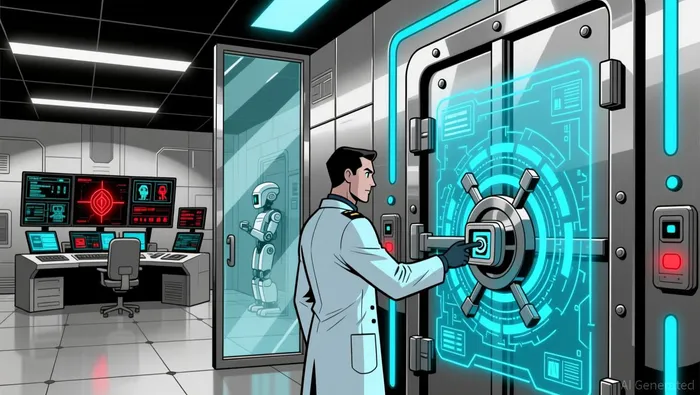
Broker-dealers are now expected to conduct ongoing assessments of the distributed ledger technology and associated networks where crypto asset securities are stored. This includes evaluating transaction speed, scalability, security, and governance protocols. The SEC also requires custodians to remain updated on blockchain governance developments and protocol changes that could impact customer assets as outlined.
Material security or operational weaknesses in a blockchain network could disqualify a broker-dealer from claiming possession. This includes scenarios involving 51% attacks or network malfunctions that compromise the integrity of the custody system. The guidance also mandates planning for disruptions, such as responding to legal orders for asset seizure or freeze, ensuring continuity of access during firm wind-downs, and managing scenarios like hard forks or airdrops as noted.
Broker-dealers must also establish written policies to address risks such as theft, loss, or unauthorized use of private keys. These policies must align with industry best practices and include multi-layered security measures. The SEC emphasized that no other entity-whether the customer or a third-party-should have access to the private keys without authorization as stated.
Investor Education and Market Structure
The SEC also issued a separate investor bulletin to educate retail investors on the risks and options for crypto asset custody. The bulletin explains the mechanics of hot and cold wallets, highlighting the trade-offs between convenience and security. It also outlines the risks associated with third-party custodians, such as custodian failures, rehypothecation, and lack of insurance as detailed.
This broader educational initiative aligns with the SEC's recent shift toward fostering regulatory clarity rather than enforcement. Chair Atkins has signaled a strategic focus on making the U.S. a global leader in crypto innovation while ensuring investor protections remain intact. This shift has already seen the agency approve tokenization pilots and grant crypto firms national bank charters as reported.
The guidance also comes amid a broader regulatory realignment, including the Depository Trust Company's recent approval to tokenize U.S. Treasuries, ETFs, and Russell 1000 components. The move allows these assets to be held on public or private-permissioned blockchains, marking a major step toward integrating blockchain technology into legacy financial systems as stated.
Political and Legislative Outlook
Political developments also play a role in the evolving regulatory landscape. President Trump's openness to appointing Democrats to the SEC and CFTC has raised hopes for progress on the stalled Senate crypto market structure bill. The bill, which would formalize the regulatory role of the SEC and CFTC in the crypto industry, has faced delays due to political gridlock and recent Supreme Court rulings that could affect agency independence as reported.
The potential passage of the bill remains uncertain, as legislative negotiations continue. However, Trump's recent statements suggest a willingness to address concerns about the partisan composition of regulatory bodies, which could ease the path to finalizing a comprehensive framework for crypto markets as noted.







Comentarios
Aún no hay comentarios