
"SEC Questions Memecoins' Status Amid Proposed Regulations"
The classification of memecoins has been a subject of debate and scrutiny, with the U.S. Securities and Exchange Commission (SEC) recently questioning their status amid proposed regulations and ongoing oversight. This article explores the SEC's stance on memecoins, recent legislative proposals, and the potential regulatory future for these digital assets.
The ongoing debate surrounding memecoins has intensified, with the controversial launch of presidential memecoins raising alarms among regulators and lawmakers regarding ethical considerations. Commissioner Caroline Crenshaw emphasized that memecoins, like any financial product, are issued to make money, asserting that their status warrants closer examination.
The regulatory landscape for memecoins has seen significant scrutiny, particularly following the SEC's claims that they do not qualify as securities. Commissioner Crenshaw's dissenting opinion suggests that memecoins may indeed meet the criteria set by the Howey test, particularly regarding profits tied to the efforts of developers and promoters. This opens up a Pandora's box of regulatory implications if broader definitions are adopted.
As the SEC navigates this complex issue, the implications for the memecoin market could be far-reaching. Analysts anticipate a potential shift in market dynamics if regulations come into play, as this may deter new entrants and modify the behavior of existing projects. Furthermore, the call for a thorough examination of memecoins aligns with a growing concern over investor protection and financial stability in the crypto realm.
In light of growing concerns, Congress has taken steps to regulate the memecoin sector. Notably, the "Modern Emoluments and Malfeasance Enforcement (MEME) Act," spearheaded by Congressman Sam Liccardo, aims to ban presidential memecoins altogether. The legislation seeks to prevent lawmakers and their family members from engaging in any activities related to memecoins, thereby addressing potential conflicts of interest.
The conversation around memecoins is further complicated by suggestions from legal experts that the Commodity Futures Trading Commission (CFTC) should oversee regulation. Attorney Elizabeth Davis notes that granting regulatory authority to the CFTC could introduce a more structured approach to memocoin governance, ultimately providing clarity in an otherwise murky legal landscape.
Memecoins have garnered interest not only for their speculative nature but also due to their association with viral internet culture. Yet, recent high-profile scams and controversies surrounding presidential tokens have exemplified the risks involved. This may lead to a measured shift in investor 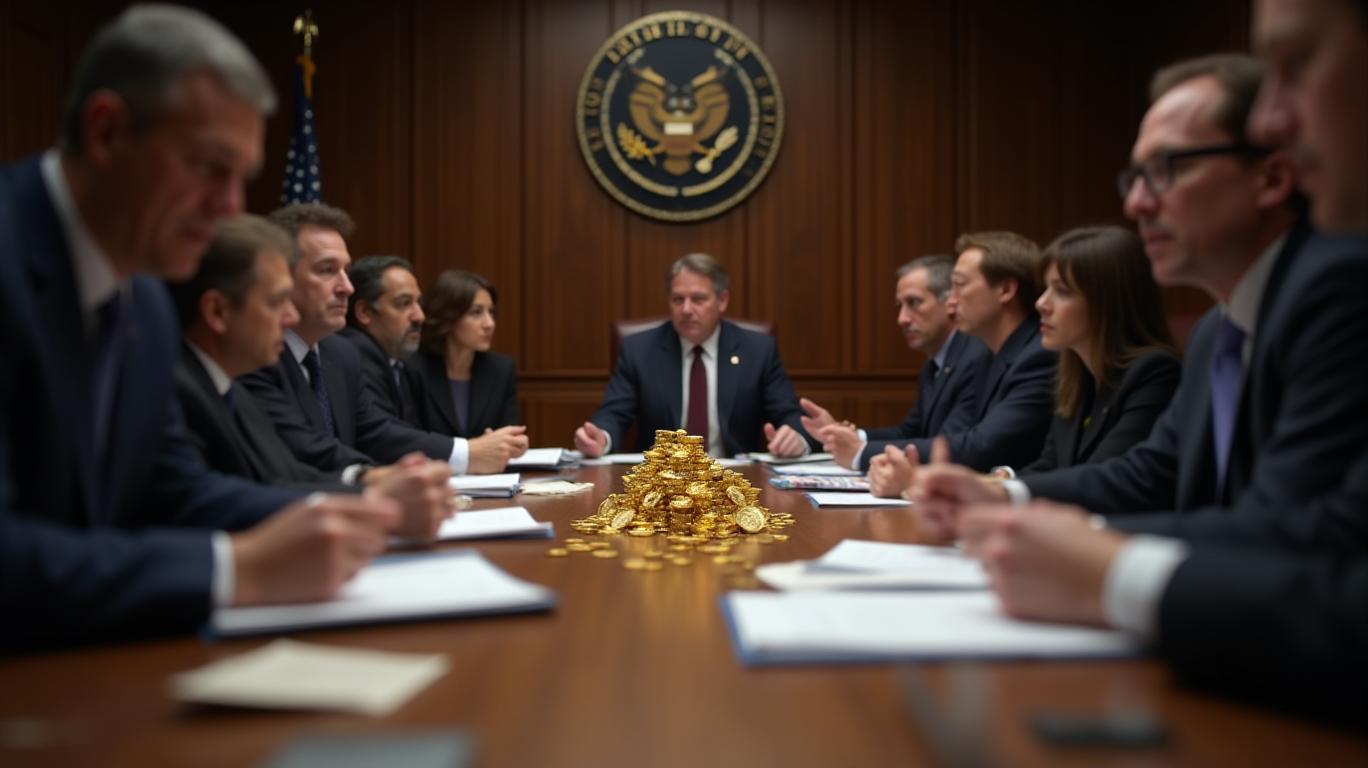







Comentarios
Aún no hay comentarios