
SEC Proposes Temporary Framework for Crypto Industry
The U.S. Securities and Exchange Commission (SEC) convened its second roundtable on cryptocurrency, marking a significant step in the regulatory body's efforts to address the burgeoning digital asset landscape. The event, held on April 11, brought together industry experts, regulators, and stakeholders to discuss the challenges and opportunities presented by cryptocurrencies. Acting Chair Mark Uyeda proposed a temporary regulatory framework designed to provide immediate relief to blockchain innovators while long-term regulations are being developed. This framework aims to offer "time-limited, conditional exemptive relief" to both registered and unregistered crypto firms, enabling them to operate more freely within a structured environment.
Uyeda emphasized the need for a unified regulatory approach, highlighting the current fragmented landscape where participants must navigate through 50 different licenses instead of a single, comprehensive SEC license. This temporary framework is seen as a "band-aid" solution to stabilize the U.S. crypto industry while more permanent regulations are debated and implemented. Uyeda also hinted at the possibility of exploring a "sandbox" rule for tokenized securities. This sandbox approach would allow firms to innovate within a controlled environment, testing new products and services without the full regulatory burden. The idea is to foster innovation while ensuring that consumer protection and market integrity are maintained.
The proposed temporary framework is expected to bolster innovation within the U.S. crypto industry. By providing near-term relief, it aims to create a more conducive environment for blockchain innovators to develop and deploy their technologies. This move is seen as a proactive step by the SEC to address the regulatory challenges faced by the crypto industry, which has long called for clearer guidelines and a more streamlined regulatory process. Notable attendees included Uniswap Labs Chief Legal Officer Katherine Minarik, CumberlandCPIX-- DRW Associate General Counsel Chelsea Pizzola, and CoinbaseCOIN-- Institutional VP Greg Tusar, evidence of growing institutional interest in establishing crypto’s regulatory path.
The SEC’s shift in tone is part of a broader policy shift. Under the Trump administration, the agency has dropped some lawsuits filed under Gary Gensler’s tenure, including celebrity cases against Kraken, Coinbase, and Consensys. Last month, the SEC dropped its case against Cumberland DRW in October 2024, a move widely seen by many as a retreat from regulation-by-enforcement policies that once characterized the Commission’s approach. However, while the direction has shifted, there remain plenty of crypto skeptics. The roadROAD-- to formal regulation remains uncertain, and trust in sustained policy change is low.
As Uyeda seeks feedback, the coming months may determine whether this temporary path becomes a helpful regulatory bridge—or just another sidetrack. The roundtable discussions also underscored the need for a long-term regulatory plan. While the temporary framework offers immediate benefits, the SEC recognizes the importance of developing a comprehensive and sustainable regulatory approach. This dual-pronged strategy—immediate relief coupled with long-term planning—reflects the SEC's commitment to balancing innovation with regulatory oversight.
In summary, the SEC's second crypto roundtable and the proposal of a temporary regulatory framework represent significant developments in the regulatory landscape for cryptocurrencies. Acting Chair Mark Uyeda's initiatives aim to provide immediate relief to the industry while laying the groundwork for more permanent regulations. This approach is expected to foster innovation, ensure consumer protection, and create a more stable environment for the U.S. crypto industry. 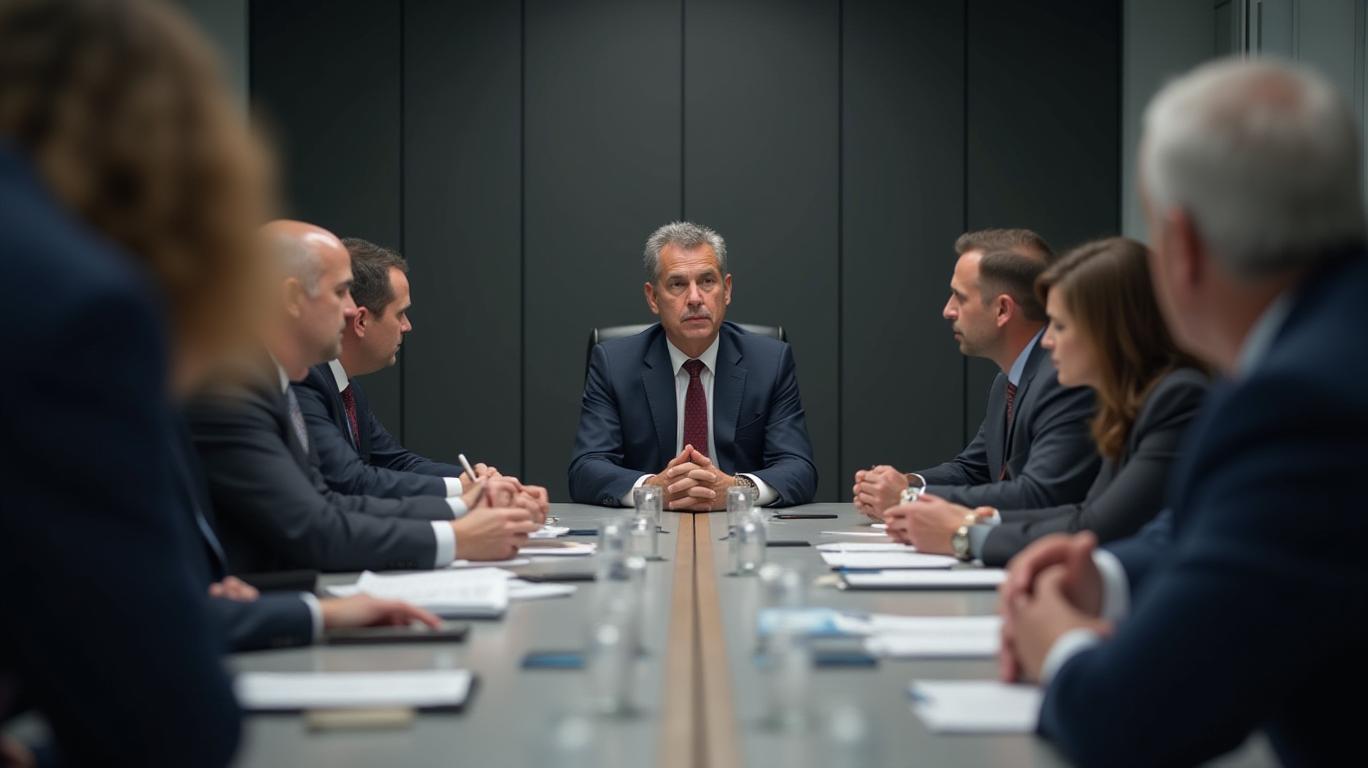





Comentarios
Aún no hay comentarios