
SEC Announces Four Roundtables on Crypto Regulation
The U.S. Securities and Exchange Commission (SEC) has announced its intention to host four additional roundtable discussions focused on various aspects of cryptocurrency regulation. These discussions will take place over the next three months, addressing key issues such as crypto trading, custody, tokenization, and decentralized finance (DeFi). The first roundtable, scheduled for April 11, will delve into "Tailored Regulation for Crypto Trading." This will be followed by a session on "Key Issues for Custodians" on April 25. The third roundtable, set for May 12, will explore the topic of tokenization, while the final session on June 6 will focus on decentralized finance.
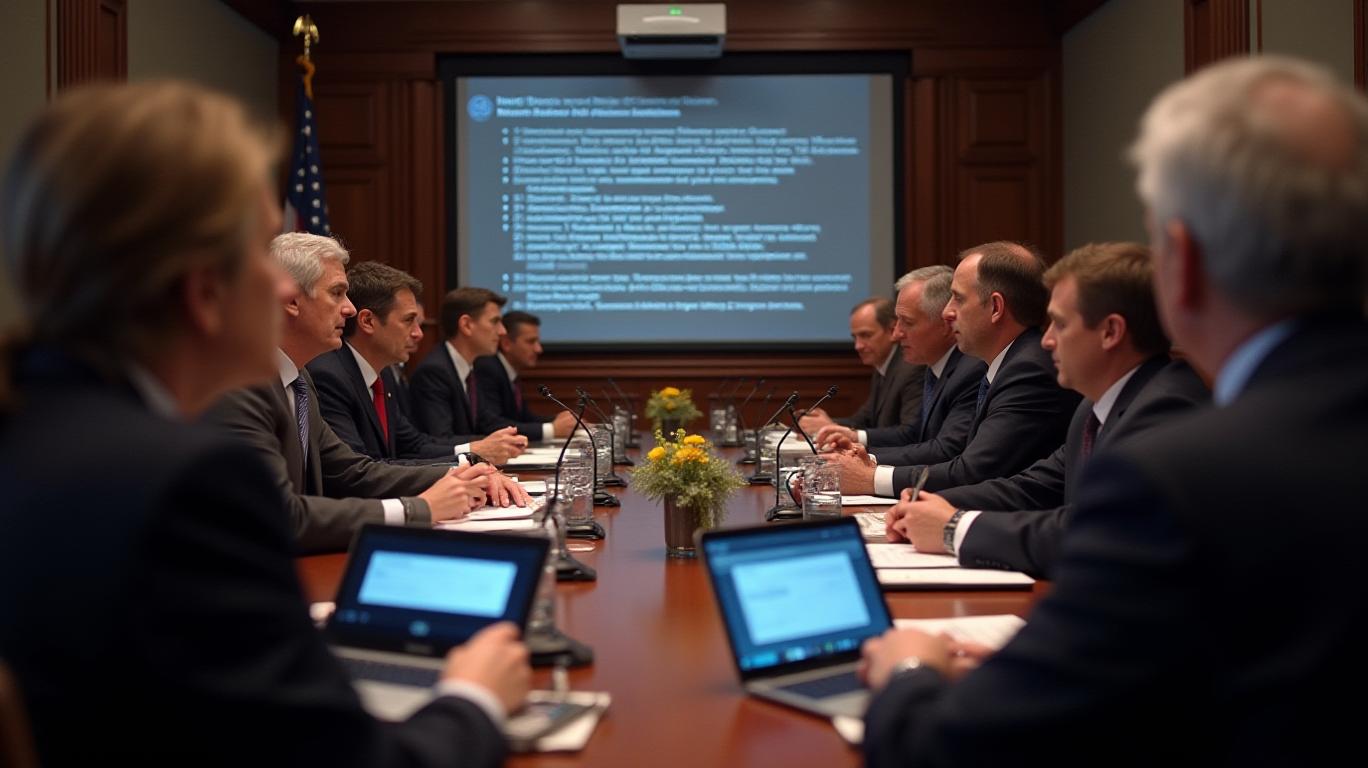
The series of roundtables, organized by the SEC’s Crypto TaskTASK-- Force, will kick off with a discussion on tailoring regulation for crypto trading on April 11. A roundtable on crypto custody will follow on April 25, with another to discuss tokenization and moving assets onchain on May 12. The fourth roundtable in the series will discuss DeFi on June 6. The specific agenda and speakers for each roundtable have yet to be disclosed, but all are open for the public to watch online or to attend at the SEC's headquarters in Washington, DC.
These roundtables are part of the SEC's ongoing efforts to address core issues in the cryptocurrency space. The task force has previously hosted a series of public roundtables to discuss digital asset classification, crypto trading platforms, and custody. The upcoming discussions aim to provide a platform for industry experts, regulators, and stakeholders to engage in constructive dialogue and share insights on the evolving regulatory landscape.
The SEC's initiative to hold these roundtables underscores the growing importance of cryptocurrencies and the need for comprehensive regulatory frameworks. By addressing key issues such as trading, custody, tokenization, and DeFi, the SEC aims to foster a more transparent and secure environment for investors and market participants. The discussions will likely cover a range of topics, including the classification of digital assets, the role of custodians in safeguarding crypto holdings, the potential of tokenization in various industries, and the regulatory challenges posed by decentralized finance platforms.
The SEC's proactive approach to engaging with the industry is a positive step towards creating a balanced regulatory environment that supports innovation while protecting investors. The roundtables will provide valuable insights into the SEC's regulatory priorities and help shape the future of cryptocurrency regulation in the United States. As the cryptocurrency market continues to evolve, these discussions will play a crucial role in ensuring that regulatory frameworks keep pace with technological advancements and market developments.
“The Crypto Task Force roundtables are an opportunity for us to hear a lively discussion among experts about what the regulatory issues are and what the Commission can do to solve them,” said SEC Commissioner Hester Peirce, the task force lead. The agency’s Crypto Task Force was launched on Jan. 21 by acting SEC Chair Mark Uyeda. It’s tasked with establishing a workable crypto framework for the agency to use. The task force held its first roundtable on March 21 with a discussion titled “How We Got Here and How We Get Out — Defining Security Status.”
Under the new leadership, the SEC has shown a more lenient stance towards cryptocurrencies. The regulator has dismissed a growing number of enforcement actions against crypto firms. Uyeda, who took the reins after Gensler resigned on Jan. 20, flagged plans on March 17 to scrap a rule proposed under the Biden administration that would tighten crypto custody standards for investment advisers. Uyeda also said in a March 10 speech that he had asked SEC staff for options to abandon part of proposed changes that would expand regulation of alternative trading systems to include crypto firms, requiring them to register as exchanges.







Comentarios
Aún no hay comentarios