
Seaboard Corporation's Turnaround Potential in Trucking: Navigating Owner-Operator Demand and Fleet Modernization
The trucking and logistics sector is undergoing a transformation driven by rising owner-operator demand, infrastructure modernization, and evolving freight dynamics. For Seaboard CorporationSEB--, a private logistics player under the SeaboardSEB-- Foods umbrella, the path to a meaningful turnaround hinges on its ability to align operational strategies with these industry tailwinds while addressing persistent driver dissatisfaction.
Operational and Fleet Modernization: A Mixed Picture
Seaboard Transport, the company's logistics arm, has historically leveraged lease-purchase programs and owner-operator arrangements to scale its fleet. While this model offers flexibility, recent driver reviews highlight systemic issues: lease operators report weekly earnings as low as $1,200, with high truck payments and fuel costs eroding profitability[2]. These challenges are compounded by outdated equipment and a lack of drop-and-hook services, which limit operational efficiency[2].
However, Seaboard's early adoption of CNG (compressed natural gas) trucks—first noted in 2014—positions it to benefit from industry trends toward sustainability and cost reduction[3]. These vehicles, priced at approximately $215,000 each, are part of a broader push to reduce environmental impact and fuel expenses[3]. While no explicit 2023–2025 modernization plans are detailed in available sources, the company's historical commitment to alternative fuels suggests a latent capacity to expand this initiative, particularly as infrastructure for CNG refueling grows[3].
Market Expansion and Freight Opportunities
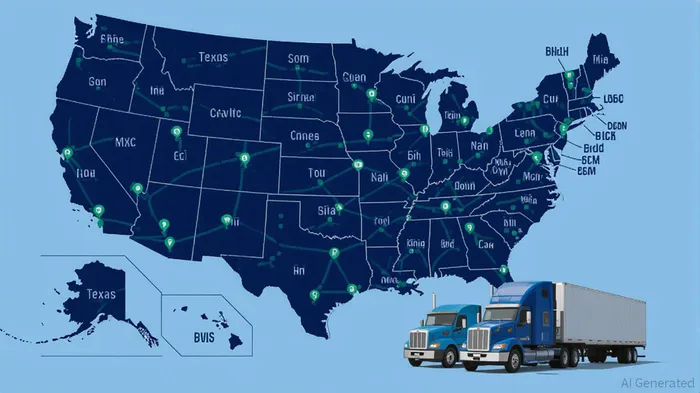
Seaboard's geographic footprint spans critical freight corridors, including routes to Texas, California, and the Eastern Seaboard[3]. This positioning allows the company to capitalize on regional and over-the-road (OTR) demand, which has surged due to e-commerce growth and supply chain reconfigurations. The company's recent hiring pushes in states like Illinois and Ohio further underscore its ambition to expand its logistics network[1].
Yet, market expansion alone is insufficient without addressing operational bottlenecks. For instance, Seaboard's reliance on lease operators—while cost-effective for the company—has drawn criticism for treating drivers like company employees without offering comparable benefits[2]. This misalignment risks driver attrition, a persistent challenge in the trucking sector. To compete with peers like Stevens Transport or Roehl Transport, which are praised for better pay and work-life balance, Seaboard must recalibrate its compensation structures and operational support.
Driver Retention: A Critical Lever for Turnaround
Driver sentiment is a double-edged sword for Seaboard. On one hand, the company offers unique benefits such as paid holidays and shower allowances—rare in the industry[3]. On the other, drivers cite low pay, high expenses, and inflexible scheduling as major pain points[2]. These issues are not unique to Seaboard but are amplified by its lease-purchase model, which requires drivers to bear upfront costs for equipment.
To improve retention, Seaboard could adopt hybrid models that blend company-owned fleets with owner-operator flexibility. For example, expanding its CNG truck fleet while offering subsidized lease terms or performance-based bonuses could enhance driver profitability. Additionally, investing in digital tools for route optimization and real-time dispatch could reduce downtime and improve efficiency—a move that would align with broader industry trends toward technology-driven logistics[1].
Strategic Risks and Opportunities
Seaboard's turnaround potential is contingent on its ability to balance cost control with driver satisfaction. While its CNG investments and geographic reach are positives, the company must address operational inefficiencies and financial transparency. For investors, key risks include:
1. Driver Turnover: Persistent dissatisfaction could lead to higher recruitment costs and service disruptions.
2. Infrastructure Gaps: CNG adoption requires robust refueling networks, which remain limited in certain regions[3].
3. Competitive Pressures: Peers with stronger compensation packages and modern fleets may outpace Seaboard in talent acquisition.
Conversely, opportunities abound. The growing demand for regional freight—driven by just-in-time inventory systems and last-mile delivery—could boost utilization rates for Seaboard's fleet. Similarly, regulatory tailwinds favoring alternative fuels may justify further CNG investments, enhancing both profitability and ESG credentials[3].
Conclusion: A Cautious Bull Case
Seaboard Corporation's turnaround hinges on its capacity to modernize its fleet, refine its driver compensation models, and leverage its geographic footprint. While the company's historical investments in CNG and regional routes are promising, its reliance on lease operators and mixed driver sentiment present significant hurdles. For investors, the key question is whether Seaboard can pivot from a cost-driven model to one that prioritizes driver retention and operational agility. If it succeeds, the company could emerge as a resilient player in a sector poised for long-term growth.





Comentarios
Aún no hay comentarios