
E.W. Scripps (SSP): Is Sinclair's Stake a Catalyst for a Merger or a Strategic Buyout Opportunity?
Strategic Implications: Consolidation or Power Play?
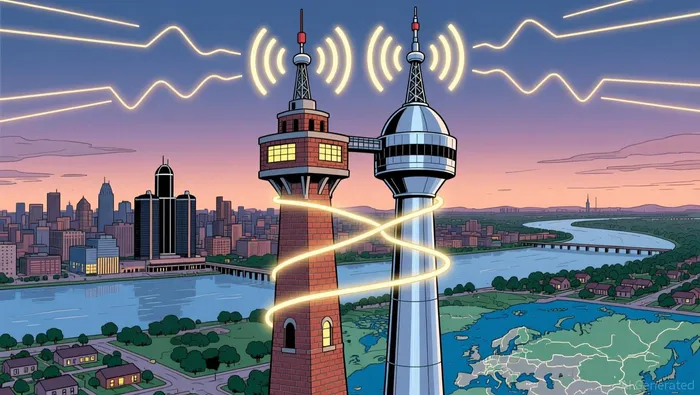
Sinclair's aggressive accumulation of Scripps shares-from to a near-10% position-signals a clear intent to reshape the TV broadcasting industry. By acquiring Scripps, SinclairSBGI-- would gain control of key stations in markets like Detroit, Grand Rapids, and Lansing, expanding its already robust footprint. This isn't just about scale; it's about power. As noted by The Detroit News, Sinclair and Nexstar Media Group together operate nearly a quarter of ABC affiliates in the U.S., giving them significant leverage over national programming decisions. The recent preemptive airing of Jimmy Kimmel's show by local affiliates underscores the clout these station owners wield. A merger would amplify that influence, creating a media giant with the ability to dictate terms to networks like ABC.
Financial Implications: A Premium Offer, But Is It Fair?
Sinclair's $7-per-share offer, , is aggressive but not without precedent. . If completed, , . This valuation hinges on cost synergies from consolidating operations, a common rationale in media mergers. However, investors should scrutinize whether the premium justifies the risks of regulatory pushback and integration challenges.
Regulatory and Market Considerations: A Rocky Road Ahead?
The (FCC) has historically scrutinized media consolidations to prevent monopolistic practices. While Sinclair's bid doesn't explicitly violate current ownership caps, the broader trend of station owners consolidating to reduce costs could draw regulatory ire. Additionally, Scripps has not yet responded to Sinclair's offer, and its management may resist if they believe the bid undervalues the company. The market's reaction will be telling: Scripps' stock has already risen on the news, but sustained momentum will depend on whether the deal progresses beyond the "unsolicited" stage.
Conclusion: A High-Stakes Gamble
Sinclair's move is a high-stakes bet on the future of TV broadcasting. For investors, the key takeaway is that this isn't just a merger-it's a strategic repositioning in an industry grappling with cord-cutting and digital disruption. If Sinclair succeeds, the combined entity could emerge as a leaner, more competitive player. But if regulatory hurdles or Scripps' resistance derail the deal, . For now, the ball is in Scripps' court, and the coming weeks will determine whether this is a catalyst for transformation or a cautionary tale of overreach.







Comentarios
Aún no hay comentarios