
Scisparc Ltd.'s Strategic Merger with Automax Motors: Unpacking the EV and AI Synergy Potential
Scisparc Ltd.'s Strategic Merger with Automax Motors: Unpacking the EV and AI Synergy Potential
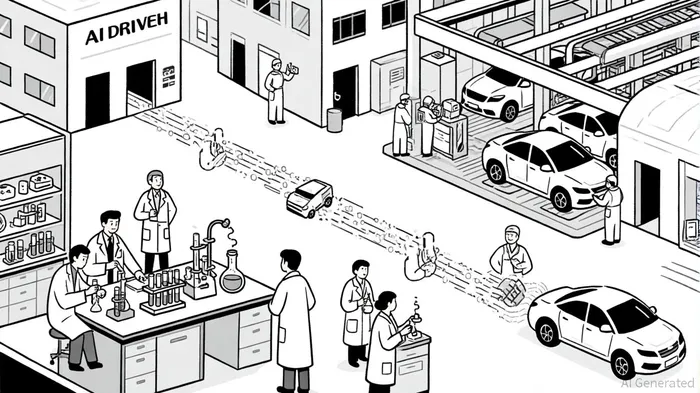
In April 2024, SciSparc Ltd.SPRC-- (NASDAQ: SPRC) announced a bold strategic pivot with its proposed merger with Automax Motors, a leading parallel vehicle importer in Israel. The deal, initially framed as a gateway to diversify SciSparc's pharmaceutical-centric business into the electric vehicle (EV) market, captured significant investor attention. However, by October 2025, the merger was mutually terminated, leaving critical questions about its intended synergies in EV technology and AI-driven manufacturing unresolved. This analysis examines the merger's strategic rationale, its unrealized potential, and the implications for SciSparc's future.
Strategic Rationale: Bridging Pharmaceuticals and Automotive Innovation
SciSparc, a company primarily focused on cannabinoid-based therapies for central nervous system disorders, sought to leverage Automax's expertise in importing and distributing electric vehicles from Anhui Jianghuai Automobile Group (JAC) to enter Israel's growing EV market, as shareholders approved. The merger was structured as a reverse takeover, with SciSparcSPRC-- acquiring 100% of Automax's share capital, retaining 50.01% ownership in the combined entity. This move aligned with SciSparc's long-term goal of diversifying revenue streams, as outlined in shareholder approvals secured in August 2025.
While the merger's EV focus was explicit-Automax's operations included JAC EVs-the integration of AI-driven manufacturing was less detailed in public filings. Analysts speculated that SciSparc might have envisioned leveraging AI for predictive maintenance, supply chain optimization, or even AI-assisted drug development for automotive workers. However, no concrete strategies were disclosed in SEC filings or press releases.
Financial Commitments and Execution Challenges
SciSparc's commitment to the merger was underscored by significant financial support: a $4.25 million bridge loan in 2024 and an additional $2 million in February 2025, according to a framework agreement. These funds were intended to bolster Automax's operations, including EV imports. Yet, by September 2025, Automax faced business challenges that led to a court-ordered stay in merger proceedings until September 30. The uncertainty culminated in a mutual termination agreement in October 2025, with Automax agreeing to repay the loans via a $4.25 million lump sum by January 1, 2028, and $2 million in monthly installments starting November 20, 2025.
Unrealized Synergies: EV and AI Opportunities
The merger's termination highlights the risks of cross-industry integration. While SciSparc's entry into the EV market was well-defined, the potential for AI-driven manufacturing synergies remained speculative. For instance, Automax's operations could have been enhanced by AI-powered demand forecasting or autonomous logistics systems. However, no such plans were detailed in the merger's path to merger. Investors may question whether SciSparc's management lacked a coherent strategy to merge AI capabilities with Automax's operations or if external factors, such as regulatory hurdles, derailed the plan.
Implications for Investors
The failed merger underscores the volatility of strategic pivots in capital-intensive sectors. For SciSparc, the termination redirects focus to its core pharmaceuticals business, where recent advancements in CNS therapies could drive growth. However, the company's credibility in executing cross-industry strategies may be questioned. Investors should monitor:
1. Debt Management: The repayment of $6.25 million in loans could strain SciSparc's liquidity, particularly if pharmaceutical R&D costs rise.
2. Strategic Realignment: Will SciSparc pursue alternative partnerships in AI or EVs, or double down on pharmaceuticals?
3. Market Sentiment: The termination may dampen investor enthusiasm for high-risk, high-reward ventures.
Conclusion
SciSparc's merger with Automax Motors exemplifies the complexities of merging disparate industries. While the EV market entry was a calculated move, the absence of clear AI-driven manufacturing synergies and execution challenges led to the deal's collapse. For investors, the episode serves as a cautionary tale about the risks of overreaching in strategic diversification. SciSparc's future success will likely hinge on its ability to refocus on pharmaceutical innovation while prudently managing its financial obligations.





Comentarios
Aún no hay comentarios