
Savvy Heirs Are Using a Legal Tool to Redirect Inherited 401(k)s and Cut Tax Bills
From a cold, cash-in-the-register perspective, the decision to accept an inheritance often looks like a no-brainer. After all, the 2026 federal estate tax exemption is $15 million per person, meaning the vast majority of estates simply won't owe any federal estate tax at all. In theory, that's free money.
But here's the business reality: an inheritance isn't a clean deposit. It's a package deal that can come with immediate costs, ongoing maintenance, and future liabilities that eat into its value. Think of it like buying a rental property. You might get a great price, but you still have to pay property taxes, insurance861051--, repairs, and eventually, capital gains when you sell. The same math applies to inherited assets.
For one, an inheritance can trigger immediate taxes. Some states levy their own estate or inheritance taxes, often with much lower exemption levels than the federal government. Then there are capital gains taxes. When you sell an inherited asset that has appreciated in value, you may owe taxes on that gain. Even the step-up in basis-a helpful rule that resets the asset's cost to its value at death-doesn't eliminate this future tax bill. And if the inheritance includes retirement accounts like a 401(k) or traditional IRA, withdrawals are typically taxable income. The bottom line is that the inheritance can quickly turn from a windfall into a liability that requires active management and tax payments.
This is where the IRS's qualified disclaimer comes in as a formal tool for a strategic refusal. It allows an heir to legally reject an inheritance within nine months of the death. The assets don't go to the heir; instead, they pass as if the heir had predeceased the decedent. This can be a powerful planning move, redirecting the wealth to avoid state taxes or to a younger generation, like grandchildren, who might benefit more from the assets or be in a lower tax bracket. It's a way to apply a simple investment rule: if the costs and complications outweigh the value, walk away.
The Hidden Costs That Can Surprise an Heir
Beyond the headline tax exemption, a host of other costs can quietly drain an inheritance. These aren't just numbers on a form; they're real fees that can turn a welcome gift into a burdensome responsibility.
First, there's the cost of getting the inheritance in the first place: probate. This court-supervised process is necessary to transfer ownership of assets, but it comes with fees and administrative expenses. For non-liquid assets like real estate861080-- or a family business, these costs can be especially high. The executor must pay for appraisals, legal filings, and potentially court-appointed fees. The process can also drag on for months or even years, tying up cash and creating uncertainty. In some states, these fees are a percentage of the estate's value, meaning a large home or a thriving business can trigger a significant bill simply to transfer it.
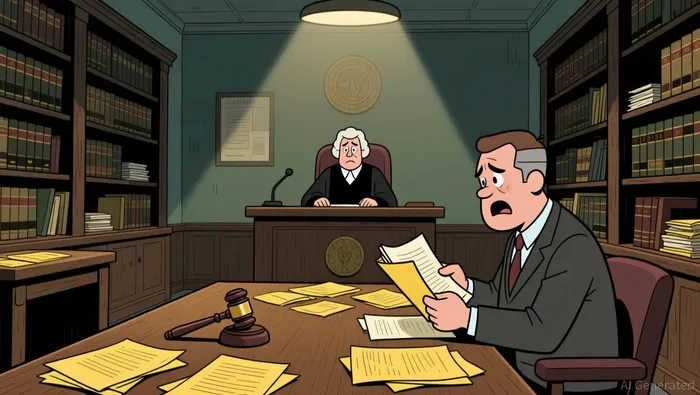
Then there's the tax burden on inherited retirement accounts. This is a major hidden cost for many heirs. When you inherit a 401(k) or traditional IRA, you're not getting a tax-free windfall. You must start taking required minimum distributions (RMDs) each year, and those withdrawals are taxed as ordinary income. This can push you into a higher tax bracket in the year you receive the money, creating a substantial tax bill that wasn't there when the account was funded. The step-up in basis that helps with other assets doesn't apply here. You're essentially inheriting a tax liability along with the savings.
Finally, and perhaps most unexpectedly, there's the emotional and relational cost. Inheritance often acts as a pressure valve for long-standing family tensions. The fight isn't usually about the money itself, but about what the money symbolizes: love, importance, security, and approval. When a parent dies, these intangible needs can surface, turning a simple division of assets into a battle for emotional validation. As one expert notes, family conflict typically doesn't come out of the blue. It is an extension of long-term relationship problems that resurface in the wake of loss. This kind of conflict can damage relationships for years, making the inheritance a source of lasting pain rather than financial relief.
The bottom line is that an inheritance is rarely a simple deposit. It's a complex package that can include probate fees, future tax bills on retirement accounts, and the potential for deep family rifts. These are the hidden costs that savvy heirs need to factor in before saying "yes."
The Strategic Play: Redirecting Wealth with a Disclaimer
The qualified disclaimer is the formal tool that turns a simple "no thanks" into a powerful, tax-advantaged move. Its mechanics are straightforward but strict. To be valid, the disclaimer must be filed in writing within nine months of the decedent's death, and it is irrevocable. Once filed, it's as if you were never entitled to the asset at all. This isn't a temporary pause; it's a permanent redirection.
The real strategic value lies in its flexibility. A disclaimer isn't an all-or-nothing proposition. You can reject all or part of an inheritance, allowing you to pick and choose. This is crucial for managing complex estates. For instance, you might disclaim a large retirement account that would push your income into a higher tax bracket, while still accepting real estate or other assets that don't create the same immediate tax hit. In practice, this means you can refuse the problematic piece of the business while keeping the rest.
Common reasons for using this tool are as varied as the inheritances themselves. One major use is tax planning. By disclaiming a large retirement account, you can redirect it to a younger generation, like your own children, who may be in a lower tax bracket when they eventually withdraw the funds. This can result in significant long-term tax savings. Another key reason is asset protection. If you're concerned about a future divorce, disclaiming an inheritance can help shield those assets from your spouse's claims, keeping them within the family line. The disclaimer also allows for a clean generational transfer, letting funds flow directly to your children without passing through your own estate, which can be useful for preserving your own financial security or estate tax exemption.
The bottom line is that a qualified disclaimer is a sophisticated planning instrument. It lets you apply a simple business rule: if an asset creates more trouble than it's worth, redirect it. By rejecting only the burdensome part, you can preserve the family wealth's overall intent while avoiding immediate taxes, future liabilities, and potential family friction. It's a way to say "no" to a specific cost and "yes" to a smarter, more strategic outcome for everyone involved.
What to Watch: Planning Ahead to Avoid the Dilemma
The best way to avoid the inheritance dilemma is to plan ahead. For parents, the first step is a simple but often overlooked conversation: ask your adult children what possessions they actually want. The reality is that many heirlooms are unwanted. By the time children reach their 30s, 40s, or 50s, they've typically established their own homes and tastes. They may embrace a minimalist lifestyle or a digital-first existence, making a large furniture collection or formal dinnerware incompatible with their space and habits. Proactively discussing this can prevent the surprise and emotional challenge of discovering that cherished items are not valued by the next generation.
For heirs anticipating an inheritance, the rule is clear: consult a financial or estate advisor before accepting anything. This isn't about being overly cautious; it's about understanding the full picture. The advisor can walk through the potential tax and legal implications, from probate fees to the future income taxes on an inherited 401(k). Crucially, they can explain the option of a qualified disclaimer. As one guide notes, using a qualified disclaimer on some, or all, of the assets could result in tax savings and redirect funds to a more appropriate beneficiary. This consultation turns a complex, potentially costly decision into an informed one.
The key takeaway for everyone is that clear estate plans and open conversations are the foundation for a smooth transition. Without them, the psychology of inheritance takes over. As one expert explains, understanding the psychology of inheritance helps families and advisors approach estate planning as both a legal and emotional exercise. When communication is absent, it breeds resentment and conflict. By having these talks early-about what items matter, how assets should be distributed, and what the future tax burden might look like-families can align expectations and protect both their wealth and their relationships. It's about turning a potential source of friction into a thoughtful act of legacy.







Comentarios
Aún no hay comentarios