
Saudi Arabia's Fiscal Resilience and the Golden Age of Non-Oil Growth: A Strategic Pivot to Sustainable Prosperity
The Kingdom of Saudi Arabia stands at a pivotal juncture in its economic evolution. With a projected 2025 budget deficit of 2.3% of GDP—a marked improvement from 2024's 2.8%—and non-oil sectors surging ahead, the fiscal landscape is shifting decisively toward diversification. This transition, driven by Vision 2030's bold reforms, presents a rare opportunity for investors to capitalize on a nation transitioning from hydrocarbon dependency to a multifaceted economic powerhouse.
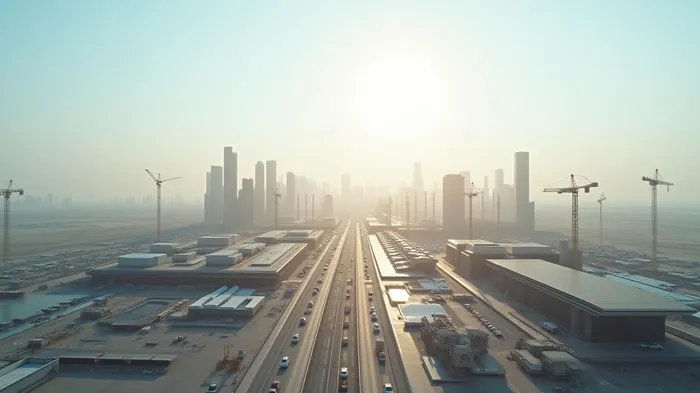
The Fiscal Tightrope: Deficit Management and Debt Dynamics
Saudi Arabia's fiscal strategy is a masterclass in balancing urgency with sustainability. The Q1 2025 deficit of SR58.7 billion ($15.65 billion) reflects a 10% year-on-year revenue decline, primarily due to OPEC+ production cuts that slashed oil revenues by 17.65%. Yet non-oil revenues grew by 2%, hitting SR113.8 billion—a testament to reforms like value-added tax (VAT) hikes and private sector liberalization. Expenditures rose 5.4%, with 45% allocated to government salaries, underscoring the social contract underpinning stability.
Crucially, the deficit is being financed without panic. Public debt rose to SR1.33 trillion (19% annual growth), but 60% is domestically held, shielding the Kingdom from volatile external borrowing costs. The reveals a disciplined trajectory, with debt peaking at 35% of GDP—a manageable threshold compared to global peers. The government's Annual Borrowing Plan for 2025, which includes sukuk issuances and international bonds, ensures liquidity without sacrificing fiscal credibility.
Non-Oil Sectors: The Engine of Tomorrow's Growth
The real story lies in Saudi Arabia's non-oil sectors, now delivering the growth that will define its future. The April 2025 non-oil private sector Purchasing Managers' Index (PMI) clocked in at 55.6—a level signaling robust expansion—for the 26th consecutive month. Manufacturing, real estate, and utilities are leading the charge. highlight a sector growing at rates unseen in decades, fueled by infrastructure projects like NEOM and the Red Sea Project.
Bank lending data tells an equally compelling tale. Total credit hit SR3.1 trillion in March 2025, a 16% annual surge, with corporate loans (especially in real estate and manufacturing) driving the boom. shows a sector contributing over 60% of GDP growth in 2024, with projections for 4.6% GDP expansion in 2025.
Megaprojects as Catalysts: From Vision to Reality
Vision 2030's megaprojects—NEOM, Qiddiya, and the Red Sea Development—are not just vanity ventures but economic anchors. These projects, backed by the $2 trillion Public Investment Fund (PIF), are creating jobs, attracting global talent, and diversifying the economy. For instance, NEOM's focus on tech and green energy aligns with global ESG trends, positioning Saudi Arabia as a leader in sustainable industries.
The government's focus on financial transparency—via platforms like the Etimad digital system—and efficiency initiatives (e.g., EXPRO's cost-cutting measures) are reducing waste. Meanwhile, sectors like financial services are booming, with Samba Financial and Riyad Bank leading a banking sector that now accounts for 10% of GDP.
Risks and Realities: Navigating Oil Volatility
No investment thesis is complete without addressing risks. Oil prices averaging $62/barrel in 2025 could blow the deficit to $67 billion—a 140% increase—if production cuts ease too quickly. Geopolitical tensions and global demand shifts add uncertainty. However, the Kingdom's fiscal buffer—$400 billion in foreign reserves—and its willingness to tolerate lower oil prices to discipline OPEC+ partners suggest resilience.
The Investment Case: Why Act Now?
The data is unequivocal: Saudi Arabia's fiscal trajectory is stabilizing, its non-oil sectors are maturing, and its debt is manageable. For investors, this is a buy signal across three core areas:
1. Real Estate & Infrastructure: Developers like Emaar and local banks financing construction projects offer exposure to urbanization and tourism booms.
2. Manufacturing & Utilities: Sectors like petrochemicals (Saudi Basic Industries Corp) and renewable energy (ACWA Power) benefit from domestic demand and export potential.
3. Financial Services: The banking sector's 16% credit growth and digital transformation (e.g., SABB's fintech initiatives) position it for long-term gains.
shows the Tadawul outperforming peers—a trend likely to continue as non-oil equities gain traction.
Conclusion: A Kingdom on the Move
Saudi Arabia's fiscal pivot is no mere adjustment—it is a revolution. With Vision 2030's structural reforms, megaprojects, and a non-oil economy firing on all cylinders, the Kingdom is rewriting its economic destiny. While oil remains a pillar, the diversification dividend is now tangible. For investors seeking exposure to a market poised for decades of growth, the time to act is now. The question is not whether Saudi Arabia will thrive, but whether you'll be part of its success story.








Comentarios
Aún no hay comentarios