
Sapu Nano's Uncharted Path: Evaluating Nanotechnology's Role in Oncology's Future
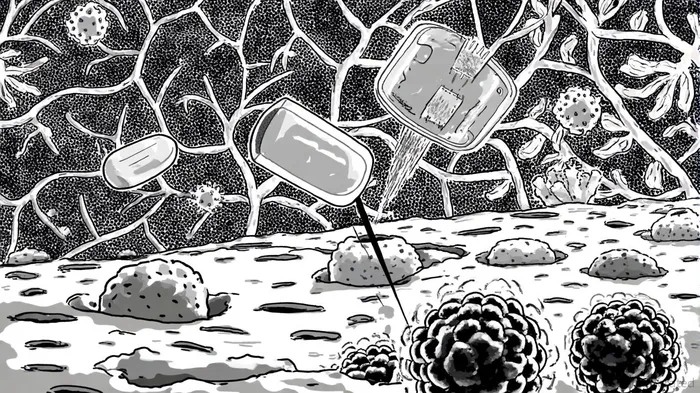
The oncology therapeutics landscape is undergoing a quiet revolution, driven by innovations in nanotechnology that promise to redefine drug delivery. While specifics about Sapu Nano's Sapu003 remain elusive, the broader sector's trajectory offers a compelling lens through which to assess the strategic investment potential of nanotechnology-enabled therapies. As traditional chemotherapy and even newer immunotherapies face limitations in precision and tolerability, the ability of nanotechnology to enhance bioavailability, enable targeted delivery, and minimize off-target effects has positioned it as a critical frontier in oncology[1].
The Nanotechnology Imperative in Oncology
Nanotechnology's appeal lies in its capacity to address longstanding challenges in cancer treatment. By engineering drug carriers at the nanoscale, developers can prolong therapeutic circulation, enhance penetration into tumor microenvironments, and reduce systemic toxicity. For instance, long-acting formulations leveraging nanotechnology—such as the recent approval highlighted by Dr. Boitumelo Semete Makokotlela—demonstrate the tangible benefits of this approach, including improved patient compliance and sustained therapeutic efficacy[1]. These advancements are particularly relevant in oncology, where treatment regimens often require frequent dosing and are constrained by severe side effects.
The market is taking notice. While direct data on Sapu Nano's partnerships or clinical trials for Sapu003 is unavailable, industry trends suggest that nanotechnology platforms are attracting significant capital. Investors are increasingly prioritizing companies that can demonstrate not only scientific innovation but also scalable manufacturing capabilities and regulatory alignment. The latter is critical, as nanotechnology-based therapies must navigate complex safety and efficacy benchmarks set by agencies like the FDA and EMA.
Strategic Investment Considerations
For investors, the absence of granular data on Sapu Nano's progress underscores both opportunity and risk. On one hand, the company's focus on nanotechnology aligns with a high-growth sector projected to expand at a compound annual growth rate (CAGR) exceeding 14% through 2030. On the other, the lack of transparency around Sapu003's clinical validation or partnership ecosystem raises questions about its competitive positioning.
To contextualize Sapu Nano's potential, consider the broader dynamics shaping the sector. Nanotechnology-enabled therapies are increasingly being evaluated in combination regimens, where their ability to enhance drug penetration and reduce resistance can amplify the efficacy of existing treatments. For example, lipid nanoparticles (LNPs) have already proven their worth in mRNA delivery, a capability that could be repurposed for oncology applications. Similarly, polymeric nanoparticles are being explored for their ability to co-deliver multiple therapeutics, addressing the heterogeneity of tumors.
Risks and the Road Ahead
Despite its promise, nanotechnology in oncology is not without hurdles. Manufacturing scalability, variability in nanoparticle behavior across patient populations, and the high cost of late-stage clinical trials remain significant barriers. Moreover, the absence of a clear regulatory framework for novel nanocarriers could delay approvals, as seen with some gene therapy platforms.
For Sapu Nano, the path to differentiation will likely depend on its ability to secure strategic collaborations—whether with academic institutions for preclinical validation or with larger pharmaceutical firms for co-development and commercialization. Without such alliances, even the most innovative platform risks stagnation in a crowded field.
Conclusion
While Sapu Nano's Sapu003 remains a black box, the company's alignment with nanotechnology's transformative potential in oncology cannot be ignored. Investors must weigh the sector's long-term promise against the immediate need for transparency and clinical proof. As Dr. Semete Makokotlela's insights illustrate, the future of oncology will increasingly hinge on technologies that can deliver precision and sustainability[1]. For Sapu Nano, the challenge—and opportunity—lies in translating nanotechnology's theoretical advantages into real-world therapeutic value.







Comentarios
Aún no hay comentarios