
SAP Sales Structures Simplified: Orgs, Offices, Groups, and Units Explained
PorAinvest
viernes, 29 de agosto de 2025, 9:28 am ET1 min de lectura
SAP--
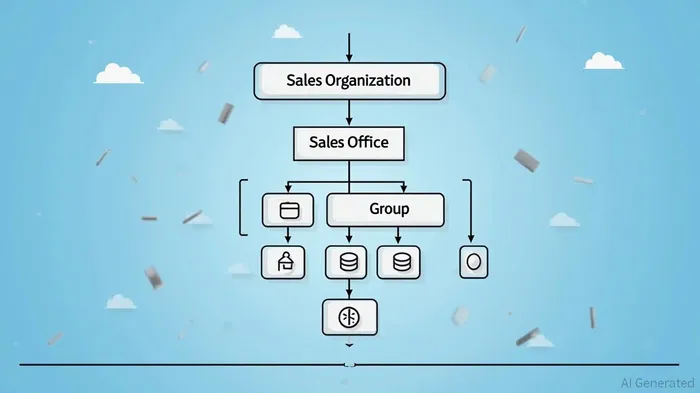
Sales Organization (Sales Org) is the primary structure that defines the organizational hierarchy within SAP. It is responsible for managing sales territories and teams, and it is the most fundamental unit in the sales hierarchy. Sales Offices (Sales Offices) are geographical divisions within a Sales Organization, and they are used to manage sales activities in specific regions or countries. Sales Groups (Sales Groups) are further subdivisions within Sales Offices, and they are used to manage sales activities for specific product lines or business units.
Sales Unit, on the other hand, is a flexible layer that allows for more creative modeling. It is not tied to master or transaction data and can be used to create custom sales structures that are not bound by the traditional Sales Org, Sales Office, and Sales Group hierarchy. This flexibility allows for more granular reporting and restructuring without affecting the ERP backbone.
Understanding these sales structures is crucial for investors, as they can provide insights into SAP's operational efficiency, market segmentation, and sales performance. By analyzing these structures, investors can gain a better understanding of SAP's sales strategy and its ability to execute on its business model.
References:
[1] https://www.marketbeat.com/instant-alerts/filing-synovus-financial-corp-buys-7155-shares-of-sap-se-sap-2025-08-25/
SAP's sales structures can be confusing, but they can be broken down into three main categories: Sales Organization, Sales Office, and Sales Group, which are traditional building blocks; and Sales Unit, which is a flexible layer that allows for more creative modeling. Sales Org, Office, and Group are specific and tied to master and transaction data, while Sales Unit gives finer granularity and flexibility for reporting and restructuring without affecting the ERP backbone.
SAP's sales structures can be complex, but they can be broken down into three main categories: Sales Organization, Sales Office, and Sales Group, which are traditional building blocks; and Sales Unit, which is a flexible layer that allows for more creative modeling. Sales Org, Office, and Group are specific and tied to master and transaction data, while Sales Unit gives finer granularity and flexibility for reporting and restructuring without affecting the ERP backbone.Sales Organization (Sales Org) is the primary structure that defines the organizational hierarchy within SAP. It is responsible for managing sales territories and teams, and it is the most fundamental unit in the sales hierarchy. Sales Offices (Sales Offices) are geographical divisions within a Sales Organization, and they are used to manage sales activities in specific regions or countries. Sales Groups (Sales Groups) are further subdivisions within Sales Offices, and they are used to manage sales activities for specific product lines or business units.
Sales Unit, on the other hand, is a flexible layer that allows for more creative modeling. It is not tied to master or transaction data and can be used to create custom sales structures that are not bound by the traditional Sales Org, Sales Office, and Sales Group hierarchy. This flexibility allows for more granular reporting and restructuring without affecting the ERP backbone.
Understanding these sales structures is crucial for investors, as they can provide insights into SAP's operational efficiency, market segmentation, and sales performance. By analyzing these structures, investors can gain a better understanding of SAP's sales strategy and its ability to execute on its business model.
References:
[1] https://www.marketbeat.com/instant-alerts/filing-synovus-financial-corp-buys-7155-shares-of-sap-se-sap-2025-08-25/
Divulgación editorial y transparencia de la IA: Ainvest News utiliza tecnología avanzada de Modelos de Lenguaje Largo (LLM) para sintetizar y analizar datos de mercado en tiempo real. Para garantizar los más altos estándares de integridad, cada artículo se somete a un riguroso proceso de verificación con participación humana.
Mientras la IA asiste en el procesamiento de datos y la redacción inicial, un miembro editorial profesional de Ainvest revisa, verifica y aprueba de forma independiente todo el contenido para garantizar su precisión y cumplimiento con los estándares editoriales de Ainvest Fintech Inc. Esta supervisión humana está diseñada para mitigar las alucinaciones de la IA y garantizar el contexto financiero.
Advertencia sobre inversiones: Este contenido se proporciona únicamente con fines informativos y no constituye asesoramiento profesional de inversión, legal o financiero. Los mercados conllevan riesgos inherentes. Se recomienda a los usuarios que realicen una investigación independiente o consulten a un asesor financiero certificado antes de tomar cualquier decisión. Ainvest Fintech Inc. se exime de toda responsabilidad por las acciones tomadas con base en esta información. ¿Encontró un error? Reportar un problema




Comentarios
Aún no hay comentarios