
SAP CEO Urges Europe to Embrace AI for Competitive Edge
Generado por agente de IAHarrison Brooks
jueves, 23 de enero de 2025, 3:33 am ET2 min de lectura
EFSC--
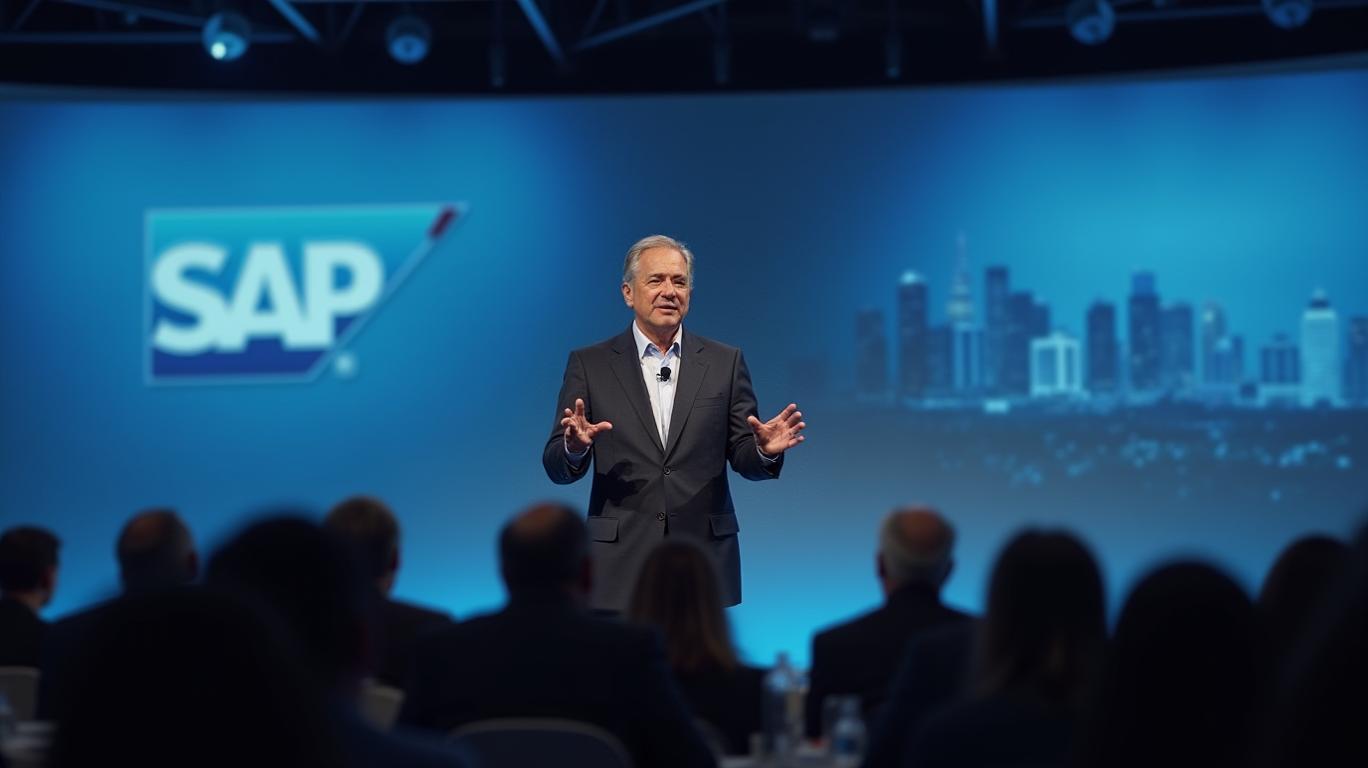
SAP CEO Christian Klein has called on Europe to embrace artificial intelligence (AI) and focus on its outcomes rather than overregulating the technology. Speaking at the CNBC's "Squawk Box Europe" on Tuesday, Klein warned that excessive regulation could hamper Europe's competitiveness against global tech powerhouses in the United States and China. He argued that Europe should prioritize the results of AI technology instead of regulating the technology itself.
Klein's comments come as Europe considers implementing comprehensive AI oversight measures. The European Union has become the first major power to introduce strict oversight of high-risk AI systems, requiring transparency and human supervision. While designed to protect citizens' rights, the move has sparked debate over potential impacts on Europe's technological competitiveness.
SAP, the German enterprise tech giant, has been working towards a transition to cloud computing over the last decade. In 2016, the company acquired Concur, the business travel and expenses platform, in a bet that software would move to the cloud. More recently, SAP has made AI a big focus of its strategy as it looks to reposition itself for faster growth after higher interest rates and macroeconomic headwinds dented tech spending and led to industry-wide layoffs.
In January, SAP announced a significant restructuring that affects 8,000 employees globally. The company has been working to integrate AI into its products and services, with a focus on delivering real results for its customers. SAP's AI bot, Joule, is a central component of this strategy, serving as the new front end and user interface for all SAP applications. The company estimates that around 80 percent of tasks could be handled via Joule, leading to a productivity gain of around 20 percent for its users.
Klein's call for Europe to embrace AI and focus on its outcomes aligns with the broader European AI landscape. The European Union's AI strategy aims to harness the potential of AI while mitigating risks and ensuring ethical and responsible development. By focusing on practical, real-world applications of AI, SAP is well-positioned to capitalize on the growing European AI landscape and drive value for its investors.
However, SAP's AI-focused approach also presents potential risks and challenges that could impact the company's financial performance. These include overregulation in Europe, market dominance and antitrust concerns, AI adoption and diffusion, AI-generated content and intellectual property, AI-related job displacement, AI security and bias, and AI-related investment and adjustment costs. To mitigate these risks, SAP should focus on responsible AI development, engage with policymakers to shape regulations, and invest in AI education and workforce retraining to address potential job displacement. Additionally, SAP should prioritize AI security, fairness, and transparency to build customer trust and maintain a strong reputation.
In conclusion, SAP's AI strategy presents opportunities for European investors, including growing demand for AI-driven solutions, AI-driven productivity gains, expansion into new markets, investment in AI startups, and alignment with EU AI regulations. However, investors should also be aware of the potential risks and challenges associated with SAP's AI-focused approach and consider the competitive landscape and the strategies of SAP's global competitors. By embracing AI and focusing on its outcomes, Europe can maintain a competitive edge in the global AI market and drive value for its investors.
SAP--
SAP CEO Christian Klein has called on Europe to embrace artificial intelligence (AI) and focus on its outcomes rather than overregulating the technology. Speaking at the CNBC's "Squawk Box Europe" on Tuesday, Klein warned that excessive regulation could hamper Europe's competitiveness against global tech powerhouses in the United States and China. He argued that Europe should prioritize the results of AI technology instead of regulating the technology itself.
Klein's comments come as Europe considers implementing comprehensive AI oversight measures. The European Union has become the first major power to introduce strict oversight of high-risk AI systems, requiring transparency and human supervision. While designed to protect citizens' rights, the move has sparked debate over potential impacts on Europe's technological competitiveness.
SAP, the German enterprise tech giant, has been working towards a transition to cloud computing over the last decade. In 2016, the company acquired Concur, the business travel and expenses platform, in a bet that software would move to the cloud. More recently, SAP has made AI a big focus of its strategy as it looks to reposition itself for faster growth after higher interest rates and macroeconomic headwinds dented tech spending and led to industry-wide layoffs.
In January, SAP announced a significant restructuring that affects 8,000 employees globally. The company has been working to integrate AI into its products and services, with a focus on delivering real results for its customers. SAP's AI bot, Joule, is a central component of this strategy, serving as the new front end and user interface for all SAP applications. The company estimates that around 80 percent of tasks could be handled via Joule, leading to a productivity gain of around 20 percent for its users.
Klein's call for Europe to embrace AI and focus on its outcomes aligns with the broader European AI landscape. The European Union's AI strategy aims to harness the potential of AI while mitigating risks and ensuring ethical and responsible development. By focusing on practical, real-world applications of AI, SAP is well-positioned to capitalize on the growing European AI landscape and drive value for its investors.
However, SAP's AI-focused approach also presents potential risks and challenges that could impact the company's financial performance. These include overregulation in Europe, market dominance and antitrust concerns, AI adoption and diffusion, AI-generated content and intellectual property, AI-related job displacement, AI security and bias, and AI-related investment and adjustment costs. To mitigate these risks, SAP should focus on responsible AI development, engage with policymakers to shape regulations, and invest in AI education and workforce retraining to address potential job displacement. Additionally, SAP should prioritize AI security, fairness, and transparency to build customer trust and maintain a strong reputation.
In conclusion, SAP's AI strategy presents opportunities for European investors, including growing demand for AI-driven solutions, AI-driven productivity gains, expansion into new markets, investment in AI startups, and alignment with EU AI regulations. However, investors should also be aware of the potential risks and challenges associated with SAP's AI-focused approach and consider the competitive landscape and the strategies of SAP's global competitors. By embracing AI and focusing on its outcomes, Europe can maintain a competitive edge in the global AI market and drive value for its investors.

Divulgación editorial y transparencia de la IA: Ainvest News utiliza tecnología avanzada de Modelos de Lenguaje Largo (LLM) para sintetizar y analizar datos de mercado en tiempo real. Para garantizar los más altos estándares de integridad, cada artículo se somete a un riguroso proceso de verificación con participación humana.
Mientras la IA asiste en el procesamiento de datos y la redacción inicial, un miembro editorial profesional de Ainvest revisa, verifica y aprueba de forma independiente todo el contenido para garantizar su precisión y cumplimiento con los estándares editoriales de Ainvest Fintech Inc. Esta supervisión humana está diseñada para mitigar las alucinaciones de la IA y garantizar el contexto financiero.
Advertencia sobre inversiones: Este contenido se proporciona únicamente con fines informativos y no constituye asesoramiento profesional de inversión, legal o financiero. Los mercados conllevan riesgos inherentes. Se recomienda a los usuarios que realicen una investigación independiente o consulten a un asesor financiero certificado antes de tomar cualquier decisión. Ainvest Fintech Inc. se exime de toda responsabilidad por las acciones tomadas con base en esta información. ¿Encontró un error? Reportar un problema


SOBRE NOSOTROS
Nuestra historiaAutores de noticiasBase de conocimientosPolítica de privacidadTérmino de usoDescargo de responsabilidad de corretaje de tercerosTérminos de uso de AIMEDivulgaciones de riesgos de AInvest AICarrerasCONTÁCTENOS
Email: support@ainvest.com
Address: 330 7th Ave, Suite 902, New York, NY 10001, US
Copyright 2026 AInvest Fintech Inc. All rights reserved.


Comentarios
Aún no hay comentarios