
Santiago de Compostela Grapples with Over-Tourism, Residents' Frustration
PorAinvest
lunes, 15 de septiembre de 2025, 1:03 am ET1 min de lectura
ABNB--
The city's old town, which includes the cathedral holding the reputed tomb of Saint James the Apostle, has seen a significant decline in its permanent population. Between 2000 and 2020, the area lost about half its residents, leaving just 3,000 permanent residents today [1].
The proliferation of short-term rentals has exacerbated the issue. According to a study commissioned by the city council, annual rent prices increased by 44% from 2018 to 2023, making it difficult for long-term residents to find affordable housing [1]. In response, the city council enacted a ban on Airbnb-style tourist accommodations in the historic center last November [1].
Despite these measures, some short-term rentals are reportedly flouting the restriction, as evidenced by tenants collecting keys from lockboxes hung outside buildings [1]. The city council is taking action to enforce these regulations, but the situation remains tense.
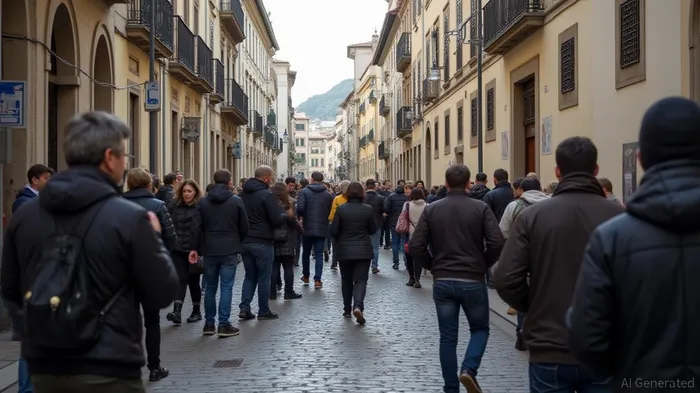
The influx of tourists has also led to disrespect for local rules and infrastructure. Large groups of tourists often take over the streets, singing hymns and disregarding traffic rules. The noise and damage to cobblestone streets have become significant issues for residents [1].
A neighborhood association in Santiago de Compostela has posted a guide to good manners for visitors, but the impact has been limited. Residents have grown embittered by the overtourism, with half of them rejecting the city's tourism-centric economic model as of 2023 [1].
The city council has requested to classify the area as a high-pressure zone, similar to Barcelona or San Sebastian, to help limit rent increases and address the housing crisis [1]. However, the situation remains complex, with residents and tourists alike facing challenges due to the rapid growth of tourism in Santiago de Compostela.
Santiago de Compostela, the endpoint of the Catholic world's most famous pilgrimage, is experiencing overtourism, with large groups taking over streets, disrespecting traffic rules, and damaging cobblestone streets. A neighbourhood association posted a guide to good manners for visitors, but to little avail. Residents have grown embittered by the influx of tourists, which has expelled longtime residents from their community. The city council has requested to classify the area as a high-pressure zone to limit rent increases.
Santiago de Compostela, the historic city in northwestern Spain, is facing significant challenges due to overtourism. The influx of tourists, particularly pilgrims following the Camino de Santiago, has led to a surge in population, with half a million people signing up to trek one of the approved routes last year, marking a 725-fold increase over the last four decades [1].The city's old town, which includes the cathedral holding the reputed tomb of Saint James the Apostle, has seen a significant decline in its permanent population. Between 2000 and 2020, the area lost about half its residents, leaving just 3,000 permanent residents today [1].
The proliferation of short-term rentals has exacerbated the issue. According to a study commissioned by the city council, annual rent prices increased by 44% from 2018 to 2023, making it difficult for long-term residents to find affordable housing [1]. In response, the city council enacted a ban on Airbnb-style tourist accommodations in the historic center last November [1].
Despite these measures, some short-term rentals are reportedly flouting the restriction, as evidenced by tenants collecting keys from lockboxes hung outside buildings [1]. The city council is taking action to enforce these regulations, but the situation remains tense.
The influx of tourists has also led to disrespect for local rules and infrastructure. Large groups of tourists often take over the streets, singing hymns and disregarding traffic rules. The noise and damage to cobblestone streets have become significant issues for residents [1].
A neighborhood association in Santiago de Compostela has posted a guide to good manners for visitors, but the impact has been limited. Residents have grown embittered by the overtourism, with half of them rejecting the city's tourism-centric economic model as of 2023 [1].
The city council has requested to classify the area as a high-pressure zone, similar to Barcelona or San Sebastian, to help limit rent increases and address the housing crisis [1]. However, the situation remains complex, with residents and tourists alike facing challenges due to the rapid growth of tourism in Santiago de Compostela.


Divulgación editorial y transparencia de la IA: Ainvest News utiliza tecnología avanzada de Modelos de Lenguaje Largo (LLM) para sintetizar y analizar datos de mercado en tiempo real. Para garantizar los más altos estándares de integridad, cada artículo se somete a un riguroso proceso de verificación con participación humana.
Mientras la IA asiste en el procesamiento de datos y la redacción inicial, un miembro editorial profesional de Ainvest revisa, verifica y aprueba de forma independiente todo el contenido para garantizar su precisión y cumplimiento con los estándares editoriales de Ainvest Fintech Inc. Esta supervisión humana está diseñada para mitigar las alucinaciones de la IA y garantizar el contexto financiero.
Advertencia sobre inversiones: Este contenido se proporciona únicamente con fines informativos y no constituye asesoramiento profesional de inversión, legal o financiero. Los mercados conllevan riesgos inherentes. Se recomienda a los usuarios que realicen una investigación independiente o consulten a un asesor financiero certificado antes de tomar cualquier decisión. Ainvest Fintech Inc. se exime de toda responsabilidad por las acciones tomadas con base en esta información. ¿Encontró un error? Reportar un problema


SOBRE NOSOTROS
Nuestra historiaAutores de noticiasBase de conocimientosPolítica de privacidadTérmino de usoDescargo de responsabilidad de corretaje de tercerosTérminos de uso de AIMEDivulgaciones de riesgos de AInvest AICarrerasCONTÁCTENOS
Email: support@ainvest.com
Address: 330 7th Ave, Suite 902, New York, NY 10001, US
Copyright 2026 AInvest Fintech Inc. All rights reserved.


Comentarios
Aún no hay comentarios